For a long time many researchers and doctors believed, and many still do, that blood is sterile. Professor Dr. Gunter Enderlein after numerous years of research, proved otherwise. He showed using darkfield microscopy, that the serum of all people and warm-blooded animals are alive with many moving 'particles'. He called these particles ENDOBIONTS (from the Greek "endon" = internal and "bios" = life). When you first look at a live blood sample under a microscope or on a monitor you cannot fail to see a multitude of moving, living particles. These are the Endobionts, and are an important part of health.
There are a wide variety of different Endobionts in the blood. In fact, from the simplest apathogenic (non-disease forming) PROTIT, they can change forms into pathological (disease causing) species, depending on how much the pH (acidity-alkalinity) of the blood is changed. The higher the acidity, the more pathogenicity, and the more likelihood of developing a chronic, degenerative disease process over time. The wonderful world of Live Blood Analysis can enable you to see the different forms in the blood, and to therefore determine how far ahead you are in the disease process.
Prof. Enderlein discovered that these Endobionts change into different forms as the internal milieu changes. The more the metamorphosis (different changes), the greater the probability of disease. The pH of our blood is determined by the food we eat, and the nutrients we take in daily, as well as other factors such as stress and pollutants. Fast and refined foods and concentrated protein foods all lead to acidic blood which triggers the Endobiont to change to more pathogenic forms. All microbes partake in a natural developmental cycle, that begins with the PRIMITIVE PHASE which is microscopically invisible; this changes into the BACTERIAL PHASE; and finally culminates in the FUNGAL PHASE, which is the most pathogenic stage. This is the theory of PLEOMORPHISM (many forms), as opposed to monomorphism (one form). Continue Reading >>
Showing posts with label Microorganism. Show all posts
Showing posts with label Microorganism. Show all posts
Monday, September 08, 2008


Wednesday, August 27, 2008
Pleomorphism of Microorganisms and Theories of Infectious Disease
Pleomorphism is basically the concept that cells, and especially one-celled microorganisms, can change form under certain conditions to cells of another type. For example an example of pleomorphism in human cells might be the morphing of skin cells to connective tissue cells, or of blood cells to bone tissue. In the field of microbiology, the concept primarily implies that bacteria of one species might change to bactera of another species under certain conditions. For example, this theory might allow that under certain environmental conditions, a typhoid bacillus could morph into a staphylococcus bacteria.
In the alternative healing world, and on the fringes of conventional mainstream science, there are those who feel that pleomorphism of mircoorganisms is widespread, and that such pleomorphism is how nature performs various tasks of toxin cleanup and tissue removal in the human body. In effect, this theory states that bacteria simply change to whatever form is most handily needed in the body, based upon cues from the body itself. Indeed, in the many parallel theories of biological terrain assessment and adjustment, the underlying assumption is that "infection" by microorganism really indicates nothing more than imbalances in the inner biochemical terrain of the body, and that if the inner terrain of the body is allowed to normalize, then the "infectious organisms" will cese their inflammatory activity, as their presence is no longer needed, as determined by the interior milieu. Continue Reading>>
In the alternative healing world, and on the fringes of conventional mainstream science, there are those who feel that pleomorphism of mircoorganisms is widespread, and that such pleomorphism is how nature performs various tasks of toxin cleanup and tissue removal in the human body. In effect, this theory states that bacteria simply change to whatever form is most handily needed in the body, based upon cues from the body itself. Indeed, in the many parallel theories of biological terrain assessment and adjustment, the underlying assumption is that "infection" by microorganism really indicates nothing more than imbalances in the inner biochemical terrain of the body, and that if the inner terrain of the body is allowed to normalize, then the "infectious organisms" will cese their inflammatory activity, as their presence is no longer needed, as determined by the interior milieu. Continue Reading>>
Tuesday, August 19, 2008
This battle has been going on for a long time!
For all these reasons, Monomorphism was at first excessively rigid, even dogmatic. Rene Dubious states that Koch and Pasteur;
"overestablished" the doctrine of the specificity of disease causes and that blind acceptance by several generations of bacteriologist of the dogma of constancy of cell forms and immutability of cultural characteristics discouraged for many years the study of the problems of morphology, inheritance, and variation in bacteria.
"Upon clear contemplation, not only the cancer problem but the entire pathology, as taught by school medicine, have become unsustainable. In any case, it is extremely revealing of the insight that Prof. Sauerbruch, in following a series of cancer patients he treated isopathically (with pleomorphic medicines) in his hospital at the Charite and who, subsequently, in the closing years of his life again and again had pointed out that:
"IF ENDERELEIN, AND NASSONS ET AL, ARE CORRECT, THEN WE CAN THROW OUT OUR ENTIRE LITERATURE".
(Blutuntersuchung im Dunkelfeld, nach Prof. Dr. Guenther Enderlein, pg. 77, 1993, Compiled by Dr. med. Maria M-Bleker) Continue Reading >>
"overestablished" the doctrine of the specificity of disease causes and that blind acceptance by several generations of bacteriologist of the dogma of constancy of cell forms and immutability of cultural characteristics discouraged for many years the study of the problems of morphology, inheritance, and variation in bacteria.
"Upon clear contemplation, not only the cancer problem but the entire pathology, as taught by school medicine, have become unsustainable. In any case, it is extremely revealing of the insight that Prof. Sauerbruch, in following a series of cancer patients he treated isopathically (with pleomorphic medicines) in his hospital at the Charite and who, subsequently, in the closing years of his life again and again had pointed out that:
"IF ENDERELEIN, AND NASSONS ET AL, ARE CORRECT, THEN WE CAN THROW OUT OUR ENTIRE LITERATURE".
(Blutuntersuchung im Dunkelfeld, nach Prof. Dr. Guenther Enderlein, pg. 77, 1993, Compiled by Dr. med. Maria M-Bleker) Continue Reading >>
Wednesday, September 13, 2006
Polymorphic Symbionts as Potential Cofactors in Cancer Processes
 by Karl Windstosser© Copyright 1997 Explore Publications, Inc. Republished with their permission.
1915
G. Fichera and Citelli (Milan) described "bacterial form elements" in human tumors; after 1925, this included various developmental phases of these in coccal and rod form. It is not clear whether Fichera produced a therapeutic agent from this -- which he designated as "Oncovaccina" -- or whether this name applied to an extract derived from sheep spleen, thymus, duodenum, lymph glands and bone marrow, which Fichera injected his patients with beginning about 1934.
That would make this researcher -- at about the same time as Niehans -- one of the founders of organocellular or cytoplasmatic therapy, which is based on the empirical fact that sheep are the only mammals that are never (or extremely rarely) infested with cancer and that malignant vaccination tumors are just as unlikely to be transferable to them. This is especially true of the younger animals and lambs. We now know that the spleen, thymus and lymph glands exercise central functions in defensive and regulatory processes.
Somewhat later, Clara Jolles-Fonti (1954) and Guarnieri silently took over Fichera's ideas and therapy and added their own work to it. The ingredients of the preparation were simplified, initially to a combination of liver, spleen and duodenal extracts, and, finally, just liver and spleen. In this form, Permicutan (now biosyn.) took over production from Guarnieri in 1950. One milliliter of the preparation "Factor AF 2 Guarnieri" contains the extract from 7 grams liver and 3 grams spleen. The preparation has earned a good reputation in the field of holistic tumor therapy, despite the omission of the thymus component.
1916
Günther Enderlein (1872-1968), biologist and zoologist, professor and curator at the Zoological Museum of the University of Berlin, first presented his revolutionary reconfiguration of bacteriology (developed during the war years -- he had been an army bacteriologist) to the Society of Friends of Natural-Science Research [Gesellschaft Naturforschende Freunde].
1916
Günther Enderlein (1872-1968), biologist and zoologist, professor and curator at the Zoological Museum of the University of Berlin, first presented his revolutionary reconfiguration of bacteriology (developed during the war years -- he had been an army bacteriologist) to the Society of Friends of Natural-Science Research [Gesellschaft Naturforschende Freunde].
Because of war-related problems, his book Bacterial Cyclogeny. Prolegomena to Investigations into the Structure, Sexual and Asexual Reproduction and Development of the Bacteria, finished in the same year, was not able to be printed and published until 1925. Ever since Cohn (1870) and Koch (1876), bacterial monomorphism had become dogma, even though this idea had at first only had provisional status, to provide a framework for additional research.
Even its promulgators continued to report casually on morphological variants of the microbes they observed -- and, in the foreword to his Bacterial Cyclogeny, Enderlein cites a series of predecessors and contemporaries who agreed with the generally postulated and concretely described process of the developmental cycle. In his tireless studies and interpretations, he found the explanation for many controversial microbial findings -- many first described by him, in part heterogeneous, in part identical -- as well as the key to many hitherto (and to some extent to this day) scientifically unexplained processes in pathogenesis and diseases transmission, healing and immunity.
According to Enderlein, all microbes go through a species-specific cycle, which bacteriological theory accepts as quite self-evident for malaria, but which to this day it resists acknowledging for bacteria and fungi, even though there is no exception in the whole wide world to the law of eternal change and the unity of the macrocosm with the microcosm."Cyclogeny" means the transformation and migration of all pathogenic and apathogenic germs through all phases (valences) from the limits of the visible and smaller -- the viral region -- on through the higher-valence phases of the textbook coccal and rod forms and up to the culminant phases of fungi and their mycelia.
In this, the bacterial nucleus plays an important role, which, though Enderlein was aware of it, was not correctly interpreted as to function. Its reduplication corresponds to the length of the bacterial body. According to Enderlein's "Anartatic Fundamental Law", valence increase depends on the prevailing pH of the blood or tissues. The bacteria multiply -- and this, too, was one of Enderlein's fundamental insights -- either asexually by fission or budding (Auxanogeny) or sexually after preliminary nuclear fusion (Probaenogeny).
The latter is always the prerequisite for phasal development upward or downward. The principle of polymorphism and sexual -- i.e. by means of nuclear fusion -- reproduction of bacteria was confirmed 40 years after Enderlein by the Nobel Prize laureates Lederberg, Taumg and Hayes (cited in Seeger, P. G.: Immune Processes and Cancer [Immungeschehen und Krebs] Semmelweis Verlag, Hoya).
Before Enderlein, Mori (1910) had already supported this idea.Out of the many concepts which Enderlein created for his theory, we can here only mention those which are of specific significance for oncological considerations. But this terminology was necessary and justified, since to go back to the usual terminology of orthodox bacteriology or to the nomenclature of the microbe researchers before Enderlein would only have given rise to more new misunderstandings or misinterpretations.Enderlein designated the smallest and lowest bacterial stage as Protit.
It consists of the bare nucleus (Mych) with no protoplasmic coat (Trophosom). One-dimensional reproduction leads to the formation of extremely fine threadlets, or Filits, two- and three-dimensional reproduction to Symprotits. In all, these 3 phases represent Chondritosis, within which a continuously alternating phase-change takes place. Chondrits are in the virus size range (15-300 nm) and are barely visible in the darkfield. Bacteriophages -- Enderlein's interpretation of which differs radically from the orthodox view -- also belong to this stage.
Bacterial flagella are likewise Filits.Higher developmental stages arise -- always dependent on environmental conditions -- through the formation of double- and multiple-nucleus cells with Trophosomes, in which each reduplication of the nuclei corresponds to the next higher stage, or Valence, of the Endobiont. The Enderleinian terms are, in sequence: Basit, Phytit, Rhabdit, Linit, Ascit, Synascit and -- the highest developmental form (Culminant) -- Amoebit.
This represents the fully-developed fungus with all its typical characteristics, flagellum, mycelium and spore formation.Besides the clarification of these morphological phenomena, Enderlein succeeded in identifying the most important vertebrate (but not invertebrate!) symbiont as Mucor racemosus Fresen 1870 in all of its stages from virus to fungus. In the Chondrit stage (see above), it lives as a physiological and innocuous -- probably in fact even useful -- symbiont in the blood and tissue of healthy people.
However, as soon as the biochemical equilibrium changes, the Chondrits ascend to the higher phases or valences and in the process take on pathogenic characteristics. This applies to all civilization-induced diseases, particularly cancer. One can thus designate it as "obligate Mucor parasitism".Retrograde development from higher to lower valences also takes place exclusively via the sexual route by means of nuclear fusion among Chondrits present in sufficient number. This process is blocked in sick persons.
To this end, Enderlein developed Chondritin, with which a chain-reaction-like retrograde development of the pathogenic valences is set into motion. Dealing with the resulting mass of Protits is furthered with the aid of a serum derived from rabbits injected with higher valences and Protits.The hematological changes associated with phasal and virulence increase manifest themselves -- aside from the rise in pH -- in increased (up to 100%) infestation both of erythrocytes and neutrophilic leukocytes as well as plasma with higher-valence Endobionts which present themselves to the eye morphologically as Symprotits, Symplasts, Basits, Ascits, etc.
The erythrocytes, normally the storage depot of dormant symbionts, often take on the so-called burr-cell form, which the orthodox medical laboratories don't know what to do with. These are the microelements, appearing everywhere and active in full virulence. Some of these developmental stages are illustrated in the excellent photomicrographic reproductions in the two discussed books by Bleker and Haring (p. 15ff).
The anemia which often accompanies preliminary and early stages of malignancies is likewise explainable along these lines. The alert observer will not miss the phantom corpuscles, which only appear in the darkfield and which signalize the progressive Endobiont virulence which drives the destructive process. Now, it must be kept in mind that certain stages of this blood infestation can also appear in cases of other chronic and consumptive diseases, i.e. not just cancer and pre-cancerous processes, for example PcP, Hepatitis, MS, radiation and chemotherapy damage, focal diseases (especially in the teeth) etc. With a balanced alkaline diet, cleansing, holistic change therapy and sensible use of Enderlein preparations, these conditions -- even in cases of incipient or early-stage malignancies -- can often be halted or rolled back.
In 1932, Enderlein discovered the second facultative pathogen (unlike the Mucor symbiosis, however, not physiologically endobiotic), the black-spored mold Aspergillus niger van Tieghen, which, in its entire polymorphism and phase-dependent pathology, is the tuberculosis germ. Fontes (1910) provided the proof of this by transmitting the disease by means of bacterium-free filtrates.
The Chondrit and Basit phases give rise to clinical pictures in man which were given all sorts of names by Enderlein's contemporaries -- such as scrofula, lymphatism, camouflaged tuberculosis (Patromikolas), masked tuberculosis (Willy Bircher), certain rheumatic forms (Poncet), tuberculotoxicosis and paratuberculosis.
These also include Much's granules and Spengler's fragments. Other researchers have dedicated themselves to the therapeutic exploitation of these phenomena; these include Pirquet, Ponndorf and the above-mentioned Spengler (see 1902).The Basit, Linit and Ascit stages of Aspergillus are the short and long rod forms of Sclerothrix tuberculosis Koch 1882, solid and not acid-resistant, whose culturing in all phases from s on up to the spore-forming Aspergillus is described accurately by Enderlein.
For therapizing tubercular and pretubercular diseases, Enderlein recommended various preparations, each available in various strengths, which can be administered subcutaneously, intramuscularly or orally, depending on the clinical picture:
1. Stabilized -- i.e. apathogenic -- Aspergillus or tuberculosis Chondritin with mode of action as described for the Endobiont's Chondritin.
1. Stabilized -- i.e. apathogenic -- Aspergillus or tuberculosis Chondritin with mode of action as described for the Endobiont's Chondritin.
2. The caretta Chondritin as cycle phase of the culturing of Sclerothrix antituberculosis Friedmann 1920, the agent of tuberculosis in the sea turtle Thalassochelis caretta. It is not pathogenic to man, but instead has a therapeutic effect like a homeopathic nosode in cases of human tuberculosis. Friedrich Franz Friedmann, who had to endure many attacks and much defamation in his life, deserves our thanks for his research and development of this therapeutic agent, which has fallen into obscurity only because of the chemotherapeutic treatment of tuberculosis.
3. The vaccines of Sclerothrix tuberculosis Koch, containing higher valences than the Chondritin.
4. The sea turtle tuberculosis vaccine, acid-resistant and non-acid-resistant.
5. The tuberculosis sera of rabbits that have been immunized against Sclerothrix tuberculosis Koch. Mode of action as per the Endobiont sera.
6. For all diseases which are, simultaneously or serially, of an Endobiontic or tuberculous nature, the Pliogen-Chondritin consisting of Mucor and Aspergillus Chondrites.
All of the isopathic preparations developed by Enderlein were produced under his personal supervision in his laboratory in Hamburg/Aumühle until shortly before his death. In 1975, the firm of SANUM-Kehlbeck (Hoya) acquired the production license and took over the business. The old, instructive preparation names were changed and many new agents (not from Enderlein) were added. Information and pertinent literature can be requested from the above-named company or from the associated publishing arm, Semmelweis Verlag.Besides these preliminary research results and their therapeutic consequences for the Mucor and Aspergillus cycles, Enderlein published, after 1937, his ideas concerning the cancer-specific or carcinogenic properties of the higher developmental stages of the Mucor Endobiont.
His argument is structured as follows:
1. Human blood is not sterile, as had been previously assumed, but rather harbors in all cases a minuscule parasite. It had not been discovered previously because it exists there primarily in an unusual and hitherto not described form, namely in the submicroscopic Protit stage. This most primitive developmental stage is of the same size order as viruses, which, according to Enderlein, are likewise to be ascribed to the species-specific cycle.
1. Human blood is not sterile, as had been previously assumed, but rather harbors in all cases a minuscule parasite. It had not been discovered previously because it exists there primarily in an unusual and hitherto not described form, namely in the submicroscopic Protit stage. This most primitive developmental stage is of the same size order as viruses, which, according to Enderlein, are likewise to be ascribed to the species-specific cycle.
The apparent sterility of standard blood cultures is explained by the fact that these stages in their parasitical property can only be cultured with great difficulty on artificial culture media, and only develop very slowly and poorly. However, sterilely drawn and incubated blood, or simply in blood maintained at room temperature, develops lively growth after a few weeks.
2. The parasite's life in the erythrocytes can be detected in fresh blood through its germination into free Chondrits or Symprotits in blood serum.
3. The relationship of the infection of the erythrocytes to cancer turns out to depend on the following factors:
a. Number of infected erythrocytes and phantom corpuscles;
b. Number of parasites in each infected erythrocyte;
c. Dynamovalence or size of the erythrocyte inclusions.
4. The bacterial form in the blood demonstrates, by its lively mobility, its existence as a special life-form in native preparation.
5. Free and enclosed (in nucleus or cell plasma) Symprotits and Symprotit barbells can also be found in the tumor, usually in enormous numbers.
6. Bacterial rods are also found -- although seldom -- growing out of the tumor cells.
7. Higher bacterial structural forms such as Cystits, Thecits, etc. can also be culturally obtained in blood (or nutrient glucose broth, etc.) and are massively present in tumors, either free or in cell bodies.
8. In sectioned tumors, one finds the highest forms observed in the human body of the parasite's developmental series, namely as fungal mycelium (Developmental History of the Bacteria [Entwicklungsgeschichte der Bakterien], Vol. 1 Number 3).
2. The parasite's life in the erythrocytes can be detected in fresh blood through its germination into free Chondrits or Symprotits in blood serum.
3. The relationship of the infection of the erythrocytes to cancer turns out to depend on the following factors:
a. Number of infected erythrocytes and phantom corpuscles;
b. Number of parasites in each infected erythrocyte;
c. Dynamovalence or size of the erythrocyte inclusions.
4. The bacterial form in the blood demonstrates, by its lively mobility, its existence as a special life-form in native preparation.
5. Free and enclosed (in nucleus or cell plasma) Symprotits and Symprotit barbells can also be found in the tumor, usually in enormous numbers.
6. Bacterial rods are also found -- although seldom -- growing out of the tumor cells.
7. Higher bacterial structural forms such as Cystits, Thecits, etc. can also be culturally obtained in blood (or nutrient glucose broth, etc.) and are massively present in tumors, either free or in cell bodies.
8. In sectioned tumors, one finds the highest forms observed in the human body of the parasite's developmental series, namely as fungal mycelium (Developmental History of the Bacteria [Entwicklungsgeschichte der Bakterien], Vol. 1 Number 3).
Enderlein included an aphorism of Lao-Tse's in some of his studies, which applies precisely to the Bacterial Cyclogeny he created: "When things have unfolded to their fullest development, they always return to their roots."
Publications of Enderlein's Numerous Scientific Writings
All together, they number over 500, of which 377 cover entomological topics in the years 1891 to 1942 -- we can here mention only those which are concerned with Endobiosis research and bacterial polymorphism. A complete listing of these, as well as of the contributions of other authors on the same topic, was put out in the sixties by the AKMON Verlag, at that time situated in Aumühle near Hamburg. In addition, we would like to call attention to the reprints listed here of some of Enderlein's and other pertinent publications, published by the Semmelweis Verlag in Hoya.
· "Basic Elements of the Comparative Morphology and Biology of Bacteria." [Grundelemente der vergleichenden Morphologie und Biologie der Bakterien] Session Reports of the Society of Friends of Natural-Science Research [Sitzungsberichte der Gesellschaft der Naturforschenden Freunde], Berlin 1916 (provisional presentation of the concepts of "Bacterial Cyclogeny").
· "Bacterial Cyclogeny." Prolegomena to Investigations into the Structure, Sexual and Asexual Reproduction and Development of the Bacteria. [Bakterien-Cyclogenie. Prolegomena zu Untersuchungen über Bau, geschlechtliche und ungeschlechtliche Fortpflanzung und Entwicklung der Bakterien] Verlag Walter de Gruyter & Co., Berlin/Leipzig 1925. Reprinted by: Semmelweis Verlag, Hoya 1980.
Translated into French by Dr. G. Langevine, Paris.
· "Concerning the Pliocyclody of Bacteria. The Biological Significance of Bacterial Gonits, Gonidies and Cystits." Lectures, ref. in: Session Reports of the Society of Friends of Natural-Science Research [Sitzungsberichte der Gesellschaft der Naturforschenden Freunde], Berlin 1981.
· "Conclusions from the Definitive Unmasking of Monomorphism as a Specious Dogma." [Folgerungen aus der endgültigen Entlarvung des Monomorphismus als spekulatives Dogma] Archive for the Developmental History of Bacteria [Archiv für Entwicklungsgeschichte der Bakterien] Vol. 1 Nr. 1, p. 162ff. (1933).
· "Concerning the Pliocyclody of Bacteria. The Biological Significance of Bacterial Gonits, Gonidies and Cystits." Lectures, ref. in: Session Reports of the Society of Friends of Natural-Science Research [Sitzungsberichte der Gesellschaft der Naturforschenden Freunde], Berlin 1981.
· "Conclusions from the Definitive Unmasking of Monomorphism as a Specious Dogma." [Folgerungen aus der endgültigen Entlarvung des Monomorphismus als spekulatives Dogma] Archive for the Developmental History of Bacteria [Archiv für Entwicklungsgeschichte der Bakterien] Vol. 1 Nr. 1, p. 162ff. (1933).
· "The End of the Cell's Reign as the Ultimate Biological Unit." [Das Ende der Herrschaft der Zelle als letzte biologische Einheit] Archive for the Developmental History of Bacteria [Archiv für Entwicklungsgeschichte der Bakterien] Vol. 1 Nr. 2, p. 171ff. (1933).[Translated and published in Explore! for the Professional, Volume 6, #1 (1995)]
· "The Cycle of the Cancer Agent, Mucor neoformans." [Der Kreislauf der Krebs-Urhebers, Mucor neoformans] (Doyen 1902) Archive for the Developmental History of Bacteria [Archiv für Entwicklungsgeschichte der Bakterien] Vol. 1 Nr. 8, p. 183ff. (1937).
· "On the Hypotheses Concerning the Parasitical Nature of Oncogenesis on the one Hand and the Knowledge Developed over the Preceding Century and a Half concerning the Parasitical Nature of Cancer on the Other Hand." [Zu den Hypothesen über die parasitŠre Krebsentstehung einerseits und den seit eineinhalb Jahrhunderten entwickelten Erkenntnissen der parasitŠren Krebsnatur andererseits] Folk Medicine 3 [Volksheilkunde] (1949).
· "On the Source of all Chronic Diseases." [Vom Urheber aller chronischen Erkrankungen] Folk Medicine 8 [Volksheilkunde] (1955).
· "On the Nature of Chronic Diseases, Specifically of Cancer and Glandular Cancer." [†ber das Wesen der chronischen Erkrankungen, speziell von Krebs und Drüsenkrebs] Private Clinic and Sanatorium 4 [Privatklinik und Sanatorium] (1955).
Periodicals Edited and Published by Enderlein
· Archive for the Developmental History of Bacteria [Archiv für Entwicklungsgeschichte der Bakterien] Vol. 1 Numbers 1-4; Vol. 2 Nr. 1. Verlag Erna Enderlein, Berlin 1931-1940, AKMON Verlag 1941-1972.
· Immunbiologica. Writings on Immunobiological Methods of Fighting Disease. [Immunbiologica. Schriftenreihe über immunbiologische KrankheitsbekŠmpfung] Vols. 1-4: Siebeneicher Verlag, Berlin/Frankfurt 1946-1950; Vols. 5-6: IBICA Verlag, Aumühle near Hamburg 1954.
· AKMON -- Elements of Complete Health and Akmosophy [AKMON -- Bausteine zur Vollgesundheit und Akmosophie.] Vol. 1/1955; Vol. 2/1957 (both IBICA Verlag, Aumühle near Hamburg); Vol. 3/1959 (AKMON Verlag, Aumühle near Hamburg). This has been reprinted by Semmelweis Verlag, Hoya 1980. It contains 23 articles by Enderlein, 12 by other authors.
· Folia Isopathica. Vol. 1/1961 (improved new edition 1970), AKMON Verlag, Aumühle near Hamburg.
· Relevant titles in the complete bibliography: [12, 17, 32-34, 46, 77, 90, 103, 106, 107, 118, 133, 139, 149, 150, 196, 197-199, 201].
On A Competitive Balance Within the Endobiont
©Copyright by Thomas A. Dorman, MD
Introduction
This article will explore a radical approach to science and medicine. Though hardly known in North America, the practical applications of these matters have been current in Europe alternative medicine circles for decades. Whether this most intriguing of alternatives will gain a toehold in our society is an enigma. Watch it unfold! The clinical harvest may be large, scientific challenges enormous. As you will see from what follows, dear reader, the affront is threefold:The intellectual front. The ideas of these methods challenge the very core of biological sciences, virtually all of them;The philosophical milieu challenges not only the primacy of man in the universe but his very identity. Less of a challenge, although still important; Clinical decisions about these matters fall into the realm of the Hippocratic approach rather than the Platonic. This is a political counter-trend as has been discussed before.So let us set to. First, the reader will find an inventory of some of the basic concepts which will need to be demolished for this odyssey. Second there is an outline of the new concepts. Please remember, however, this is a popular article, not a textbook or a treatise. Accordingly, you will only find introductions to ideas and references. The rest is up to you.
Linear Identity
Man has sought the philosopher's stone, longevity, since time immemorial to preserve the conscious identity which makes up the essence of each of us. The idea was captured by Descartes in the phrase, I think, therefore I am ¹, or with Ayn Rand's succinct definition of man as a rational animal ², ³. The I fails ultimately because of individual mortality. After the grief of mortality we characteristically take solace in our progeny. However, not every son takes over where his father left off, so we embrace a broader family -- the tribe, the race, the nation, perhaps even our whole civilization. In our case we call it Western civilization. The ego's last defense is in the whole of the human species itself, in perpetuity. The dialectic where we should draw the line in this safety net for our ego, for our sense of identity, is the grist which operates the mill of social affairs and of spoken politics and history. It can be seen, therefore, that the psychological need for the concept of uniqueness of our species is diacritical for this pride, whether individual or collective. In contradiction, the theory of the life within, the endobiont of Professor Günther Enderlein, is predicated on accepting that our very organism is one of symbiosis.
Evolution
The Darwinian notion of evolution being a combination of gradual change of species on this planet through the mechanism of survival of the fittest has been challenged &sup4;. If the human, however, is a symbiosis of the genetic lineage of more than one organism, would we postulate an evolutionary duet down the millennia, nay, for millions of years? Incredible!
Life Cycles
Monomorphism is the concept that each species has one form. This is pretty much evident when looking at our own species or even at advanced examples of the plant kingdom. More "primitive" organisms, however, have multiple forms. We know, for instance, that the malaria parasite evolves through many stages, and several species, particularly parasites, have been described in which forms differ in their life cycles. In most cases life cycles are completed. In other instances the complete cycles are not mandatory -- that is to say, the organism can multiply in one form for prolonged periods. They proceed to what is usually called a sexual stage of multiplication only in propitious circumstances. The malaria parasite is the best example of this &sup5;. Science has recognized these cyclic phenomena, but they have not been fashionable models in recent years. In the case of bacteria and viruses, they have been denied. Our present odyssey calls for an acceptance of the concept of cycles. In addition, it posits that the host's internal environment influences growth and multiplication of the internal partner, the endobiont, as well as the sequence of its cyclic changes. The sequence is not necessarily unidirectional. What is meant by unidirectional? The example is the change of an insect's egg to a larva, thence to a cocoon, to an adult form, such as a butterfly, followed by sexual reproduction and the laying down of more eggs. Butterflies do not regress into the cocoon. The cycle is, therefore, unidirectional. Contrariwise, it is postulated that in certain circumstances the environment of micro-organisms can move an advanced form of an organism back to a more primitive one. In order not to confuse the concepts of ontological stages (larva, cocoon, butterfly, etc.) with this new one, the term valency has been introduced. The valency is recognized by its microscopic morphological complexity. Developmental and morphological valency is a new and difficult concept in microbiology.
Health and Disease
The allopathic concept of health is that a given state which is naturally preserved through the body's internal balance. Disease, on the other hand, is an invasion of this balance by an outside force, whether an injury, a metabolic defect, or an invading organism. (In Chinese medicine this is referred to as an External Pernicious Influence.) This contrasts with the homeopathic concept of health as one which is dependent on the inherent characteristics of the life concerned, and which can perhaps be modulated by subtle influences through harmonic stimuli, whether these be vibrational, through chemical imprinting or by other means &sup6;.
Isopathy
Isopathy is a term which refers to an adjustment in the balance between the symbiotic partners which constitute a life. The physician looks at the internal environment, the milieu, or bio-terrain as it is now called, through the microscope and with other means. The endobiont is coaxed into changing into a lower valency, the chondrit form. This is the essence of isopathic therapy.
Symbiosis
If you have been able to follow this essay, you will have come to realize that the term symbiosis is central to the discussion. Symbiosis is the cooperative joint living of two organisms for their mutual benefit in a form which is dependent on this interaction. Lichens are the most familiar example. Here, symbiosis exists between free-living bacteria and free fungal forms which in the lichen itself acquire a morphological form and exist in certain circumstances, such as adhering to rocks or tree bark, in a form which is quite different from the existence of each of the contributory organisms on their own. In fact, in the case of lichens the free-living fungi and bacteria are seldom seen alone, although it is possible to culture them and raise them in the experimental situation separately and even bring them together to re-form the lichen. Amazingly (and Oh, what a blow to the human ego!), it is suggested that our very existence constitutes such a symbiosis.
The Endobiont
So who, you will want to know, is the internal resident, this symbiontic partner? Before revealing this horrible secret, please be warned, dear reader, that the discoverer of the endobiont, an eminent German zoologist, has been maligned, his name virtually effaced from science for the very reason that he made this discovery. It is not a compliment to our ego. Contrary to what you might think or hope, science is not driven entirely by cold and indifferent logic. We have seen that revolutionary ideas have been subjected to long periods of suppression &sup7;. Well, here is the blow: The internal partner is a measly fungus. Günther Enderlein reported that he was able to culture a fungus by the name of Mucor racemosus (Fresen) from human blood. (The name Fresen refers to the individual who first described this organism, G. Fresen, a botanist, 1870.) This fungus has been found elsewhere, cultured, for instance, from mummified Egyptian pharaohs. But the fungus can be found in such mundane places as the crevices between the tiles of your bathroom where it is free living. The preposterous suggestion that this fungal organism is an internal partner to Homo sapiens was, you can see, not well received. An uncertain caveat to this is that Enderlein and subsequent researchers have attributed a similar relationship to several organisms, the fungus Aspergillus niger in particular. And so from our embarrassment of thinking that we have an unwelcome partner in our journey in the universe -- I am referring to our as that of our species -- we are now challenged with a whole zoo of internal creatures.
Monomorphism
Matters are becoming complicated because, in addition to the above challenges, Enderlein posited that the mini creatures in this zoo can change from one form (species) to another in certain circumstances. The terms viral, bacterial, and fungal refer, therefore, to phases or valencies as well as to species. Here we have a conceptual synthesis between the ablation of the concept of monomorphism and the introduction of the concept of cyclic changes between valencies. This paradigm shift is anathema to microbiology since Robert Koch8 initially defined the parameters we now take for gospel. This subject is delineated in Günther Enderlein's book Bakterien Cyclogenie9, and in his major work AKMON10.
Intellectual Shock
To take stock, then, of the intellectual shocks just applied to received opinion we might pen the following list:
· Species aren't necessarily species but symbioses.
· Phenotypes are not really an expression of genetics of one species but a composite.
· Life forms change in a sequel and the forms may cycle backwards at times.
· The concept of specificity in genetic coding for a species needs to be reassessed if the form and function are predicated on symbiosis.
· The whole business of evolution and Darwinism is untenable with this biological framework.
· A new category of disease is introduced. This is an imbalance between the symbiotic partners. This concept of disease is nothing short of revolutionary.
· By analogy: Copernicus challenged the centrality of planet earth and the solar system and Darwin the place of man on earth in God's image. How much larger is Günther Enderlein's blow to the ego of man based on this little list of paradigm shifts?
Dark Field Microscopy
If you have stayed with me thus far, dear reader, you are amongst the brave. Not only have I led you through an Alice-in-Wonderland maze of paradigm shifts, but I have so far not offered you a single reason to stay with me on this odyssey. But here it is. Look and you can see it! The amazing thing is that Günther Enderlein's work, theory and explanation is simply visible to the eye of the microscopist. Dark field microscopy was invented in 1837. Enderlein was a zoologist and makeshift clinician during the First World War. It fell to him, therefore, to combine clinical observation in the war theater with his knowledge of zoology, which was formed in a period before the conformity of the modern era, a time when essential ideas in science, those of Béchamps, Pasteur, Koch and Bernard were still alive, competing and not yet relegated to their definitive slots of winner and loser. Some of these issues have been addressed elsewhere11. And so, Seeing is believing. When Günther Enderlein started studying dark field microscopy he observed in living mammalian blood (of course, including human blood) the appearances of bacteria, branching, growing structures akin to the mycelia of fungi, let alone the appearance of moving, directed particles within the living blood, both in cells and the plasma. Platelets seemed to play an important role in this pantheon, in the new zoo. By watching and classifying changes under the microscope, he discovered that the endobiontic changes anticipated disease. A match was found between the initial microscopic appearances and the rate of change, on the one hand, and prognosis and category of disease on the other.We see, therefore, that in addition to prognosis, an impression can be formed of the likely disease category a person might suffer from. The forms visible under the microscope do not reach the highest potential valency of the internal partners, the endobiont, and, therefore, diagnosis of endobiontic species cannot be made microscopically. (Therefore, I comment on disease category, not diagnosis). However, assessments of valency, rate of change, endobiontic load, and observations about the internal milieu can indeed be made (and very usefully) with dark field microscopy. Herein lies the therapeutic potential.
Empiricism
The quintessence of the empiric method is a reliance on the scientist's observation. As scientists, we observe all kinds of things directly and indirectly in our experimental methods. But here we have a method of direct observation with the microscope. With suitable instrumentation and setting, anyone can see the changes for himself. What a paradox it is, then, that the profession of pathology, those doctors trained in the job of microscopic inspection and diagnosis, almost uniformly deny this whole scenario. The moving parts under the microscope are dismissed as Brownian movement (the true but random jiggling of tiny particles as the result of molecular interactions in fluids) or the extraneous invasion of the medium with bacteria from the air (not only could bacteria not grow fast enough for the changes we observe, but the patterns we observe in dark field microscopy matching health and disease, as outlined above, would hardly occur if the appearance were due to a random contamination from the air). Perhaps the aphorism, seeing is believing, should be reversed to, Believing is seeing! Because in this case the establishment will not acknowledge what is plain to the eye because of their beliefs. Before I become too hoity-toity in my condemnation of the establishment, one should interject that the threshold of belief was painful for this writer too. He feels nothing but sympathy for the disbelievers because these observations are so contrary to our imprinted scientistic (pseudo-scientific) belief system.
The Use of Hypothesis
So why, you might ask, embark on this antiestablishmentarian odyssey? The reason is simple. A doctor is in quest of the therapeutic yield. Perhaps this theoretical framework will lead to the management of ill health with new and effective methods. Some are destined to journey in quest of the golden fleece. We should remind ourselves that in our scientific tradition, hypothesis is a tool for a practical outcome. Each hypothesis is valuable only if it yields useful information. Karl Popper¹2; has defined these things for us.
Salvation
Günther Enderlein was so great a scientist that he drew the logical clinical conclusion from his zoological observations and developed a method for growing low valency Mucor and subsequently low valency forms of the alternate form of endobionts titled with the names of other species, such, for instance, as Aspergillus niger, in pure culture forms. These have been reduced to their essential protein moieties and are available as remedies from a company in Hoya, Germany, now called Sanum Kehlbeck. These remedies have been in use in Europe for about half a century with increasing degrees of sophistication, skill and therapeutic outcome. The intellectual divide between the Germanic lands and our own has been so wide that these marvelous remedies have barely penetrated into America and even the scientific knowledge about them has remained sub rosa. We owe, therefore, to the intellectual enthusiasm of a few English writers and enthusiasts, sometimes based on personal tragedies and salvation, that any information has become available. The battle (and seemingly a battle it was indeed) to introduce these remedies legally via the Food and Drug Administration (FDA) of our government has just recently been concluded. We can, therefore, cash in on the dedication of these pioneers and bring some of these remedies to bear on our illnesses here at home. This writer is proud to support the introduction of the Sanum remedies to North America, even, if the quest for better health is a little like Jason's quest for the golden fleece. Symbolically, I see in Scylla the platonic socialist totalitarian snatching sailors from my boat and in Charybdis an intellectual vortex vacuuming out contrarian scientific paradigms.
Insurance
It goes without saying that Isopathic (Sanum) remedies are not insured benefits under Medicare or any known North American insurance. Individuals who choose practitioners using these methods fall into the category of self-reliant people who take responsibility for themselves. This is the ultimate in alternatives because of the scientific challenges.
Further Reading
Hidden Killers by Enby, Gosch and Sheehan is a paperback¹3; which tells much more of the tale. Explore! magazine also carries many articles on this subject. Readers who are not already subscribers will wish to join the ranks of regular adherents in order to stay in touch. Purchase the book, imbibe from it, and then if you are interested in help, consider asking for this approach to your health. It is not "the standard of care" for your doctor to initiate isopathic treatment in America at present. But then, of course, anything that is not done by the majority is not the standard of care. Here is an example of conformism through consensus.
References
1. Descartes, Renè. Discourse on Method, 1637.
2. Rand, Ayn. The Objectivist Ethics in the Virtue of Selfishness, 1964
3. Peikoff, Leonard. Objectivism: The Philosophy of Ayn Rand. New York: Dutton, page 220, 1991.
4. Dr. Dorman's Practice Newsletter, October,1995
5. Dr. Dorman's Practice Newsletter, September 1992.
6. Gerber, Richard. Vibrational Medicine: New Choices for Healing Ourselves. Bear and Company, Santa Fe, New Mexico,1988.
7. Kuhn, Thomas S. The Structure of Scientific Revolutions. Second Edition. The University of Chicago Press,1970.
8. Koch's Postulates: See footnotes to Practice Newsletter, September 1992.
9. Enderlein, Günther. Bakterien Cyclogenie, 1925. (In German, now available in English.)
10. Enderlein, Günther. AKMON . Ibica Publishers, 1957. (Also in German.)
11. Dr. Dorman's Practice Newsletter, October,1995, September, 1995.
12. Popper, Karl R. The Logic of Scientific Discovery in 1934. Harper Torch Books, New York, 1969.
Introduction
This article will explore a radical approach to science and medicine. Though hardly known in North America, the practical applications of these matters have been current in Europe alternative medicine circles for decades. Whether this most intriguing of alternatives will gain a toehold in our society is an enigma. Watch it unfold! The clinical harvest may be large, scientific challenges enormous. As you will see from what follows, dear reader, the affront is threefold:The intellectual front. The ideas of these methods challenge the very core of biological sciences, virtually all of them;The philosophical milieu challenges not only the primacy of man in the universe but his very identity. Less of a challenge, although still important; Clinical decisions about these matters fall into the realm of the Hippocratic approach rather than the Platonic. This is a political counter-trend as has been discussed before.So let us set to. First, the reader will find an inventory of some of the basic concepts which will need to be demolished for this odyssey. Second there is an outline of the new concepts. Please remember, however, this is a popular article, not a textbook or a treatise. Accordingly, you will only find introductions to ideas and references. The rest is up to you.
Linear Identity
Man has sought the philosopher's stone, longevity, since time immemorial to preserve the conscious identity which makes up the essence of each of us. The idea was captured by Descartes in the phrase, I think, therefore I am ¹, or with Ayn Rand's succinct definition of man as a rational animal ², ³. The I fails ultimately because of individual mortality. After the grief of mortality we characteristically take solace in our progeny. However, not every son takes over where his father left off, so we embrace a broader family -- the tribe, the race, the nation, perhaps even our whole civilization. In our case we call it Western civilization. The ego's last defense is in the whole of the human species itself, in perpetuity. The dialectic where we should draw the line in this safety net for our ego, for our sense of identity, is the grist which operates the mill of social affairs and of spoken politics and history. It can be seen, therefore, that the psychological need for the concept of uniqueness of our species is diacritical for this pride, whether individual or collective. In contradiction, the theory of the life within, the endobiont of Professor Günther Enderlein, is predicated on accepting that our very organism is one of symbiosis.
Evolution
The Darwinian notion of evolution being a combination of gradual change of species on this planet through the mechanism of survival of the fittest has been challenged &sup4;. If the human, however, is a symbiosis of the genetic lineage of more than one organism, would we postulate an evolutionary duet down the millennia, nay, for millions of years? Incredible!
Life Cycles
Monomorphism is the concept that each species has one form. This is pretty much evident when looking at our own species or even at advanced examples of the plant kingdom. More "primitive" organisms, however, have multiple forms. We know, for instance, that the malaria parasite evolves through many stages, and several species, particularly parasites, have been described in which forms differ in their life cycles. In most cases life cycles are completed. In other instances the complete cycles are not mandatory -- that is to say, the organism can multiply in one form for prolonged periods. They proceed to what is usually called a sexual stage of multiplication only in propitious circumstances. The malaria parasite is the best example of this &sup5;. Science has recognized these cyclic phenomena, but they have not been fashionable models in recent years. In the case of bacteria and viruses, they have been denied. Our present odyssey calls for an acceptance of the concept of cycles. In addition, it posits that the host's internal environment influences growth and multiplication of the internal partner, the endobiont, as well as the sequence of its cyclic changes. The sequence is not necessarily unidirectional. What is meant by unidirectional? The example is the change of an insect's egg to a larva, thence to a cocoon, to an adult form, such as a butterfly, followed by sexual reproduction and the laying down of more eggs. Butterflies do not regress into the cocoon. The cycle is, therefore, unidirectional. Contrariwise, it is postulated that in certain circumstances the environment of micro-organisms can move an advanced form of an organism back to a more primitive one. In order not to confuse the concepts of ontological stages (larva, cocoon, butterfly, etc.) with this new one, the term valency has been introduced. The valency is recognized by its microscopic morphological complexity. Developmental and morphological valency is a new and difficult concept in microbiology.
Health and Disease
The allopathic concept of health is that a given state which is naturally preserved through the body's internal balance. Disease, on the other hand, is an invasion of this balance by an outside force, whether an injury, a metabolic defect, or an invading organism. (In Chinese medicine this is referred to as an External Pernicious Influence.) This contrasts with the homeopathic concept of health as one which is dependent on the inherent characteristics of the life concerned, and which can perhaps be modulated by subtle influences through harmonic stimuli, whether these be vibrational, through chemical imprinting or by other means &sup6;.
Isopathy
Isopathy is a term which refers to an adjustment in the balance between the symbiotic partners which constitute a life. The physician looks at the internal environment, the milieu, or bio-terrain as it is now called, through the microscope and with other means. The endobiont is coaxed into changing into a lower valency, the chondrit form. This is the essence of isopathic therapy.
Symbiosis
If you have been able to follow this essay, you will have come to realize that the term symbiosis is central to the discussion. Symbiosis is the cooperative joint living of two organisms for their mutual benefit in a form which is dependent on this interaction. Lichens are the most familiar example. Here, symbiosis exists between free-living bacteria and free fungal forms which in the lichen itself acquire a morphological form and exist in certain circumstances, such as adhering to rocks or tree bark, in a form which is quite different from the existence of each of the contributory organisms on their own. In fact, in the case of lichens the free-living fungi and bacteria are seldom seen alone, although it is possible to culture them and raise them in the experimental situation separately and even bring them together to re-form the lichen. Amazingly (and Oh, what a blow to the human ego!), it is suggested that our very existence constitutes such a symbiosis.
The Endobiont
So who, you will want to know, is the internal resident, this symbiontic partner? Before revealing this horrible secret, please be warned, dear reader, that the discoverer of the endobiont, an eminent German zoologist, has been maligned, his name virtually effaced from science for the very reason that he made this discovery. It is not a compliment to our ego. Contrary to what you might think or hope, science is not driven entirely by cold and indifferent logic. We have seen that revolutionary ideas have been subjected to long periods of suppression &sup7;. Well, here is the blow: The internal partner is a measly fungus. Günther Enderlein reported that he was able to culture a fungus by the name of Mucor racemosus (Fresen) from human blood. (The name Fresen refers to the individual who first described this organism, G. Fresen, a botanist, 1870.) This fungus has been found elsewhere, cultured, for instance, from mummified Egyptian pharaohs. But the fungus can be found in such mundane places as the crevices between the tiles of your bathroom where it is free living. The preposterous suggestion that this fungal organism is an internal partner to Homo sapiens was, you can see, not well received. An uncertain caveat to this is that Enderlein and subsequent researchers have attributed a similar relationship to several organisms, the fungus Aspergillus niger in particular. And so from our embarrassment of thinking that we have an unwelcome partner in our journey in the universe -- I am referring to our as that of our species -- we are now challenged with a whole zoo of internal creatures.
Monomorphism
Matters are becoming complicated because, in addition to the above challenges, Enderlein posited that the mini creatures in this zoo can change from one form (species) to another in certain circumstances. The terms viral, bacterial, and fungal refer, therefore, to phases or valencies as well as to species. Here we have a conceptual synthesis between the ablation of the concept of monomorphism and the introduction of the concept of cyclic changes between valencies. This paradigm shift is anathema to microbiology since Robert Koch8 initially defined the parameters we now take for gospel. This subject is delineated in Günther Enderlein's book Bakterien Cyclogenie9, and in his major work AKMON10.
Intellectual Shock
To take stock, then, of the intellectual shocks just applied to received opinion we might pen the following list:
· Species aren't necessarily species but symbioses.
· Phenotypes are not really an expression of genetics of one species but a composite.
· Life forms change in a sequel and the forms may cycle backwards at times.
· The concept of specificity in genetic coding for a species needs to be reassessed if the form and function are predicated on symbiosis.
· The whole business of evolution and Darwinism is untenable with this biological framework.
· A new category of disease is introduced. This is an imbalance between the symbiotic partners. This concept of disease is nothing short of revolutionary.
· By analogy: Copernicus challenged the centrality of planet earth and the solar system and Darwin the place of man on earth in God's image. How much larger is Günther Enderlein's blow to the ego of man based on this little list of paradigm shifts?
Dark Field Microscopy
If you have stayed with me thus far, dear reader, you are amongst the brave. Not only have I led you through an Alice-in-Wonderland maze of paradigm shifts, but I have so far not offered you a single reason to stay with me on this odyssey. But here it is. Look and you can see it! The amazing thing is that Günther Enderlein's work, theory and explanation is simply visible to the eye of the microscopist. Dark field microscopy was invented in 1837. Enderlein was a zoologist and makeshift clinician during the First World War. It fell to him, therefore, to combine clinical observation in the war theater with his knowledge of zoology, which was formed in a period before the conformity of the modern era, a time when essential ideas in science, those of Béchamps, Pasteur, Koch and Bernard were still alive, competing and not yet relegated to their definitive slots of winner and loser. Some of these issues have been addressed elsewhere11. And so, Seeing is believing. When Günther Enderlein started studying dark field microscopy he observed in living mammalian blood (of course, including human blood) the appearances of bacteria, branching, growing structures akin to the mycelia of fungi, let alone the appearance of moving, directed particles within the living blood, both in cells and the plasma. Platelets seemed to play an important role in this pantheon, in the new zoo. By watching and classifying changes under the microscope, he discovered that the endobiontic changes anticipated disease. A match was found between the initial microscopic appearances and the rate of change, on the one hand, and prognosis and category of disease on the other.We see, therefore, that in addition to prognosis, an impression can be formed of the likely disease category a person might suffer from. The forms visible under the microscope do not reach the highest potential valency of the internal partners, the endobiont, and, therefore, diagnosis of endobiontic species cannot be made microscopically. (Therefore, I comment on disease category, not diagnosis). However, assessments of valency, rate of change, endobiontic load, and observations about the internal milieu can indeed be made (and very usefully) with dark field microscopy. Herein lies the therapeutic potential.
Empiricism
The quintessence of the empiric method is a reliance on the scientist's observation. As scientists, we observe all kinds of things directly and indirectly in our experimental methods. But here we have a method of direct observation with the microscope. With suitable instrumentation and setting, anyone can see the changes for himself. What a paradox it is, then, that the profession of pathology, those doctors trained in the job of microscopic inspection and diagnosis, almost uniformly deny this whole scenario. The moving parts under the microscope are dismissed as Brownian movement (the true but random jiggling of tiny particles as the result of molecular interactions in fluids) or the extraneous invasion of the medium with bacteria from the air (not only could bacteria not grow fast enough for the changes we observe, but the patterns we observe in dark field microscopy matching health and disease, as outlined above, would hardly occur if the appearance were due to a random contamination from the air). Perhaps the aphorism, seeing is believing, should be reversed to, Believing is seeing! Because in this case the establishment will not acknowledge what is plain to the eye because of their beliefs. Before I become too hoity-toity in my condemnation of the establishment, one should interject that the threshold of belief was painful for this writer too. He feels nothing but sympathy for the disbelievers because these observations are so contrary to our imprinted scientistic (pseudo-scientific) belief system.
The Use of Hypothesis
So why, you might ask, embark on this antiestablishmentarian odyssey? The reason is simple. A doctor is in quest of the therapeutic yield. Perhaps this theoretical framework will lead to the management of ill health with new and effective methods. Some are destined to journey in quest of the golden fleece. We should remind ourselves that in our scientific tradition, hypothesis is a tool for a practical outcome. Each hypothesis is valuable only if it yields useful information. Karl Popper¹2; has defined these things for us.
Salvation
Günther Enderlein was so great a scientist that he drew the logical clinical conclusion from his zoological observations and developed a method for growing low valency Mucor and subsequently low valency forms of the alternate form of endobionts titled with the names of other species, such, for instance, as Aspergillus niger, in pure culture forms. These have been reduced to their essential protein moieties and are available as remedies from a company in Hoya, Germany, now called Sanum Kehlbeck. These remedies have been in use in Europe for about half a century with increasing degrees of sophistication, skill and therapeutic outcome. The intellectual divide between the Germanic lands and our own has been so wide that these marvelous remedies have barely penetrated into America and even the scientific knowledge about them has remained sub rosa. We owe, therefore, to the intellectual enthusiasm of a few English writers and enthusiasts, sometimes based on personal tragedies and salvation, that any information has become available. The battle (and seemingly a battle it was indeed) to introduce these remedies legally via the Food and Drug Administration (FDA) of our government has just recently been concluded. We can, therefore, cash in on the dedication of these pioneers and bring some of these remedies to bear on our illnesses here at home. This writer is proud to support the introduction of the Sanum remedies to North America, even, if the quest for better health is a little like Jason's quest for the golden fleece. Symbolically, I see in Scylla the platonic socialist totalitarian snatching sailors from my boat and in Charybdis an intellectual vortex vacuuming out contrarian scientific paradigms.
Insurance
It goes without saying that Isopathic (Sanum) remedies are not insured benefits under Medicare or any known North American insurance. Individuals who choose practitioners using these methods fall into the category of self-reliant people who take responsibility for themselves. This is the ultimate in alternatives because of the scientific challenges.
Further Reading
Hidden Killers by Enby, Gosch and Sheehan is a paperback¹3; which tells much more of the tale. Explore! magazine also carries many articles on this subject. Readers who are not already subscribers will wish to join the ranks of regular adherents in order to stay in touch. Purchase the book, imbibe from it, and then if you are interested in help, consider asking for this approach to your health. It is not "the standard of care" for your doctor to initiate isopathic treatment in America at present. But then, of course, anything that is not done by the majority is not the standard of care. Here is an example of conformism through consensus.
References
1. Descartes, Renè. Discourse on Method, 1637.
2. Rand, Ayn. The Objectivist Ethics in the Virtue of Selfishness, 1964
3. Peikoff, Leonard. Objectivism: The Philosophy of Ayn Rand. New York: Dutton, page 220, 1991.
4. Dr. Dorman's Practice Newsletter, October,1995
5. Dr. Dorman's Practice Newsletter, September 1992.
6. Gerber, Richard. Vibrational Medicine: New Choices for Healing Ourselves. Bear and Company, Santa Fe, New Mexico,1988.
7. Kuhn, Thomas S. The Structure of Scientific Revolutions. Second Edition. The University of Chicago Press,1970.
8. Koch's Postulates: See footnotes to Practice Newsletter, September 1992.
9. Enderlein, Günther. Bakterien Cyclogenie, 1925. (In German, now available in English.)
10. Enderlein, Günther. AKMON . Ibica Publishers, 1957. (Also in German.)
11. Dr. Dorman's Practice Newsletter, October,1995, September, 1995.
12. Popper, Karl R. The Logic of Scientific Discovery in 1934. Harper Torch Books, New York, 1969.
Wednesday, September 06, 2006
Comparative Morphology is the Foundation of All Biology
Introduction
The trend of ideas of the last few decades has led to--especially in bacteriology--a certain disparity between physiological/biological research and comparative morphology. Comparative morphology was regarded by many parties more and more as a minor matter, believing that its demotion represented an achievement favoring biology, although it is in actuality the very foundation of biology, and the source of all phylogenetic, ontogenetic and systematic knowledge of nature. The recognition of the rhythmic aspect of all organic processes is the foundation of knowledge in this area of research as well.The basic conditions for a morphological evolutionary investigation is the organic continuity of successive developmental conditions. During the course of systematic morphological studies of bacteria, I was forced to conclude that the practical side of bacteriology in particular in no way corresponded to these basic conditions, and indeed rested on a foundation that totally contradicted the actual situation. The main foci of this erroneous trend in knowledge can be indicated with three words: Monomorphism, Mutation Theory, MonocytismThe following treatment attempts to structure bacteriology on the basis of comparative morphological principles. That this attempt has met with some success can be seen in the results, which by no means lie in the theoretical sphere, but are in fact of a comparative morphological nature, while yet seeming to be suited to serve to orient entire areas of individual biological and physiological facts.It is difficult, in light of the varying interpretations of the enormous amount of observational material, to do justice to all requirements. Therefore, this work is recommended to the specialist's goodwill. In drawing up this sketch--it could not be otherwise, considering the scope of this area of endeavor--the main goals had always to be kept in mind as setting the course, so that many points may have possibly gotten short shrift. All of this is left to later additions and the checking-up of specialized research. Tips, from whatever quarter they may come, will always be gratefully welcomed by me.May a new comparative, morphologically clarified Pleomorphism arise from the dust of past decades, driving mutation theory and monocytism out of bacteriology and setting Cyclogeny and Pleocytism in its place, so that bacteriology can exit the province of theoretical explanation attempts and enter a state of absolute biological/morphological knowledge.Comparative morphologically sharply delineated concepts, so necessary for any clear discussion, elevate bacteriology to a comparative morphological discipline. The very nature of the task has made necessary the creation of an entire series of new terms, which might of course discourage many from trying to delve into this material. But the nature of recognized concepts crystallizes out as name. Without a precise comparative/morphological nomenclature, it is impossible to arrive at a clear conception of an organism's basic nature. Even biological concepts such as Mochlosis--for which a final clarification and insight was not possible--are fixed by naming, and one can then deal with them. "For it is just when terms are lacking that the right word comes along at the right time."Yet even this initially theoretical and vague-seeming concept of Mochlosis has over time become more clearly defined in my conception, and its comparative parallelism with Meloë's life-course--which I make reference to in the introductory pages of Chapter VII (Classification) in a much later entry--has completely swept away any remaining reservations and, even for this concept, dropped the theoretical remnants.Just as this nomenclature developed with progressive knowledge and was recognized as indispensable to a full understanding, so too will anyone who penetrates to a full understanding of Cyclogeny be convinced of its necessity. The structure of this nomenclature, which it has only been able to simplify once the work was completed, is thus carefully thought out and possesses largely organic relationships to its significance from a morphological and biological viewpoint, and is formed out of the synthesis of only a few words. To this end, the terms chosen for the morphological basic elements needed to be short words, monosyllabic wherever possible, so that the words compounded for morphologically complicated concepts would not get too long. So, for example, the term for the proto-nucleus is Mych (derived from to mucon = the innermost), and represents the starting-point for most of the compound concepts, whose derivation is usually recognizable at a glance. The instructions in Section XI explain the etymological structure.The essence of all sciences is the organization of the subject-matter, without which the overview that leads to deeper understanding is impossible. The main results are the following:
1. Finding the bacterial nucleus: Mych (proto-nucleus).
2. Establishing a comparative bacterial morphology.
3. Demonstrating the generality of Gonidie formation in all bacteria as the fundamental form of asexual fructification (Until now only established for some sheath bacteria--Crenothrix and some Spherotilides).
4. Demonstrating the sexual reproduction of bacteria.
5. Morphological demonstration of the Sporit (the so-called bacterial spore) as a small side-branch, a special form of Oit formation.
6. Establishing the Cyclogeny of bacteria and their diagnostic and therapeutic significance.
7. Establishing Mochlosis and Mochlolysis.
8. Demonstrating the cyclostatic moment of virulence and pathogenicity (Virulent stage).
9. As a practical result of the Cyclogenetic view, the polyetiological assessment of diphtheroid infections, regardless of whether found in the Basit, Phytit or Cystascit stage.
Stettin, October 1916
The trend of ideas of the last few decades has led to--especially in bacteriology--a certain disparity between physiological/biological research and comparative morphology. Comparative morphology was regarded by many parties more and more as a minor matter, believing that its demotion represented an achievement favoring biology, although it is in actuality the very foundation of biology, and the source of all phylogenetic, ontogenetic and systematic knowledge of nature. The recognition of the rhythmic aspect of all organic processes is the foundation of knowledge in this area of research as well.The basic conditions for a morphological evolutionary investigation is the organic continuity of successive developmental conditions. During the course of systematic morphological studies of bacteria, I was forced to conclude that the practical side of bacteriology in particular in no way corresponded to these basic conditions, and indeed rested on a foundation that totally contradicted the actual situation. The main foci of this erroneous trend in knowledge can be indicated with three words: Monomorphism, Mutation Theory, MonocytismThe following treatment attempts to structure bacteriology on the basis of comparative morphological principles. That this attempt has met with some success can be seen in the results, which by no means lie in the theoretical sphere, but are in fact of a comparative morphological nature, while yet seeming to be suited to serve to orient entire areas of individual biological and physiological facts.It is difficult, in light of the varying interpretations of the enormous amount of observational material, to do justice to all requirements. Therefore, this work is recommended to the specialist's goodwill. In drawing up this sketch--it could not be otherwise, considering the scope of this area of endeavor--the main goals had always to be kept in mind as setting the course, so that many points may have possibly gotten short shrift. All of this is left to later additions and the checking-up of specialized research. Tips, from whatever quarter they may come, will always be gratefully welcomed by me.May a new comparative, morphologically clarified Pleomorphism arise from the dust of past decades, driving mutation theory and monocytism out of bacteriology and setting Cyclogeny and Pleocytism in its place, so that bacteriology can exit the province of theoretical explanation attempts and enter a state of absolute biological/morphological knowledge.Comparative morphologically sharply delineated concepts, so necessary for any clear discussion, elevate bacteriology to a comparative morphological discipline. The very nature of the task has made necessary the creation of an entire series of new terms, which might of course discourage many from trying to delve into this material. But the nature of recognized concepts crystallizes out as name. Without a precise comparative/morphological nomenclature, it is impossible to arrive at a clear conception of an organism's basic nature. Even biological concepts such as Mochlosis--for which a final clarification and insight was not possible--are fixed by naming, and one can then deal with them. "For it is just when terms are lacking that the right word comes along at the right time."Yet even this initially theoretical and vague-seeming concept of Mochlosis has over time become more clearly defined in my conception, and its comparative parallelism with Meloë's life-course--which I make reference to in the introductory pages of Chapter VII (Classification) in a much later entry--has completely swept away any remaining reservations and, even for this concept, dropped the theoretical remnants.Just as this nomenclature developed with progressive knowledge and was recognized as indispensable to a full understanding, so too will anyone who penetrates to a full understanding of Cyclogeny be convinced of its necessity. The structure of this nomenclature, which it has only been able to simplify once the work was completed, is thus carefully thought out and possesses largely organic relationships to its significance from a morphological and biological viewpoint, and is formed out of the synthesis of only a few words. To this end, the terms chosen for the morphological basic elements needed to be short words, monosyllabic wherever possible, so that the words compounded for morphologically complicated concepts would not get too long. So, for example, the term for the proto-nucleus is Mych (derived from to mucon = the innermost), and represents the starting-point for most of the compound concepts, whose derivation is usually recognizable at a glance. The instructions in Section XI explain the etymological structure.The essence of all sciences is the organization of the subject-matter, without which the overview that leads to deeper understanding is impossible. The main results are the following:
1. Finding the bacterial nucleus: Mych (proto-nucleus).
2. Establishing a comparative bacterial morphology.
3. Demonstrating the generality of Gonidie formation in all bacteria as the fundamental form of asexual fructification (Until now only established for some sheath bacteria--Crenothrix and some Spherotilides).
4. Demonstrating the sexual reproduction of bacteria.
5. Morphological demonstration of the Sporit (the so-called bacterial spore) as a small side-branch, a special form of Oit formation.
6. Establishing the Cyclogeny of bacteria and their diagnostic and therapeutic significance.
7. Establishing Mochlosis and Mochlolysis.
8. Demonstrating the cyclostatic moment of virulence and pathogenicity (Virulent stage).
9. As a practical result of the Cyclogenetic view, the polyetiological assessment of diphtheroid infections, regardless of whether found in the Basit, Phytit or Cystascit stage.
Stettin, October 1916
The Nature of the Biological Uniformity of the Bipolar Structure of all Chronic Diseases
By Professor Günther Enderlein, Aumühle/Hamburg Member of the Society for Freedom in Science at Oxford
"Who thinks he found it all aloneis dumber than the lowly stone."- J.W. von GoetheWhen, twenty millennia ago, the ancient Indians carried out the healing of all the chronic diseases - including cancer and tuberculosis - with the urine of the holy, beneficial cattle, this was not a forced illusion dictated by "slogans"; rather, it was (already) a tremendous insight, related in its basic features to natural instinct, whose origin arose from a purposeful activity of the most profound regions of the human brain, which - in the course of even more uncounted millennia before these primeval times - had ascended to this culmination of such logically substantiated actions; this stands head and shoulders above the "slogan dictatorship" of all subsequent (and presumably terminal) Epigones who, since Hippocrates (i.e. in the last 25 centuries, within the time-span of geological periods), have managed to reduce a full panoply of human-culture achievements right down to nothing. For these measures of those primeval cultures accord perfectly with the requirement of an individual researcher with cosmic mental ability right up at the edge of the sudden drop in defensive and mental ability against the bipolar primeval foe from the time of the very origin of all vertebrates, who said: "In order to really be able to heal the sick, one must restore what has been lost." In order words, a replacement of the missing part(s)! This man is the pharmacist Oesterlen, in his Handbuch der Arzneimittellehre [Pharmaceutical Handbook] 7th Ed. 1861, p. 3. And what substances are these, that had already been replaced at that time? Well, domesticated cattle, severely burdened with the Endobiont, the most fearsome part of the bipolar parasite structure - if nothing else, simply leukopathy, whose biologically/parasitologically oriented position in humans between cancer, Hodgkin's disease and Felty's syndrome has been established on the basis of my more thorough blood analysis - use up, as "vegetarian raw-food eaters", unheard-of defensive forces in order to keep at bay the threat to their existence from these primordial parasites. And the decomposition products - that freely leave the host body via the skin, bronchia, intestines and kidneys, since they are no longer interesting parasitically - are, in cattle too, apathogenic primitive phases of the Endobiont (Mucor racemosus Fresen), accordingly the lowest-valence Chondrit stages, as well as the following ultimate primitive forms of life, namely the colloids. These metabolites in turn represent precisely those forms that the endobiontically ailing vertebrate had lost in its illness as a result of being fattened up by being overfed with plant or - infinitely worse, animal - protein. It is exactly these factors that, in the endless eras of defensive struggling against this most fearsome permanent parasite of all vertebrates and man, symbolize the successes of the symbiotic achievement of this defensive struggle, since purely apathogenic functions were forced upon them by just this defensive struggle; for this reason, I gave them the name Regulators. From these four excretion possibilities, the Indians chose the urine of the holy, beneficial cattle. This urine therapy made its way to Europe during Medieval times, and has maintained itself down to the present - despite being relegated to the factors of the so-called "fecal pharmacists" - in part also as autologous urine therapy. Despite the fact that this seems completely justified by the stock of living colloids and very primitive Chondrit stages - and could perhaps even be rounded out by hitherto unknown factors - the therapy, using individually-shipped quantities of living colloids and very primitive Chondrits (in purest form) is, without a doubt, at the least considerably more hygienic. It is definitely understandable if the root cause of the chronic disease complex of the primordial parasite is shifted from a bipolar orientation of Endobiont (Mucor racemosus Fresen) and tuberculosis initiator in the primordial cultures' natural knowledge, over to dietary intake. If the objection is raised from the medical camp that the isopathy of the ancient Babylonians is out of the question for microbe-based diseases, since they had no microscopes, then the reply for the Endobiont itself can be that these important developmental phases of the Endobiont indeed are not visible in the microscope to this day. Vitamins deficiency is also not a causal, but rather at most a conditional factor. And then, when later Bircher-Brenner claims a special sensitivity to dietary toxins of the capillary region in the human body as a cause of chronic diseases, this is also merely a consequence of conditional factors that do not connect up with the root causes - since the root causes are and remain the two bipolarly-oriented and structured primordial parasites. After all, the so-called paracoli bacteria in the intestines are by no means degenerate coli bacteria, but rather bacilli from the Endobiont's metabolites, that form quite normally, even without treatment with living Chondritins, capable of probaenogenetic upward development in the intestinal tract, especially in cancer cases etc., from colloids and the most primitive Chondrit stages on up to the Phytit stage. As bacilli, these Endobiont Phytits are strikingly similar to the coli bacterium. Likewise, dystrophy is just a very small part of the conditional causes, since the primary conditional causes are essentially based in overfeeding with vegetable and animal proteins. Less in the over 1000 cancerogenic factors. Likewise, constitution plays a merely subordinate role, since the greater part of it is lost in the consequences (sequelae) of parasite overfeeding. This is very much the case for the tuberculosis portion of the bipolar structure of the primordial parasite, where also dystrophy is by no means a nonspecific basis and tuberculosis yields no sequelae - as Robert Koch and Edmund Ingber (Buenos Aires) maintain - but rather consequences of the primordial parasite's long-term parasitism, and in fact of the overfeeding of both primordial parasites. (Cf. E. Ingber: "Tuberkulose und Lebensordnung" [Tuberculosis and Lifestyle] in: Diaita, 1st year Vol. 1 1955, pp. 11Ð15.) All of these are the grotesque consequences of "monomorphism/monomorphology" slogans which are the basis for the inaccessibility of the essential nature of the chronic disease complex.
Here is a compilation of some of these "slogan factors":
1. The paracoli bacterium is not a degenerate coli bacterium, but rather the Phytit stage of the Endobiont.
2. The root cause of the infectiousness of filtrates of tubercular material is the tubercle bacillus' Chondrit stage; this was determined back in 1910 by Fontes of Brazil (Cf. Mem. Institut. Oswaldo Cruz, 1, 2, 1910, p. 186).
3. Furthermore, H. Dostal demonstrated the easy transportability of the tubercle bacillus in its coccal form (Basit stage) in liquid-nutrient cultures (cf. Wien. Medizin. Wochenschr. [Viennese Medical Weekly], 60th Year 1910, pp. 2098Ð2100, and 63rd Year 1913).
4. Fibrin is by no means a "protein coagulation" precipitate, but rather the Chondrit dendroid of the Endobiont.
5. Thrombocytes are not blood organelles (platelets); they are Thecits of the Endobiont.
6. Megakaryocytes (Metchnikov) are not normal cell components; rather, due to massive infestation with primitive-phase Endobionts, these cells have lost the ability to fission cell or nucleus. These cells have been forgotten in the studied concentration on the focal problem of cleansing in the marrow of all bones.
7. Polynuclear cell is related to the preceding, except that the nucleus is still capable fission, while the cell itself has lost the capability.
8. The megaloblasts of pernicious anemia are not nucleated erythrocytes, but rather erythrocytes having internal colonies of abnormally distended Endobiont Chondrits (pseudo-nucleus!).
9. Normoblasts, erythrocytes originating in bone marrow, have no nucleus, only a pseudo-nucleus consisting of an Endobiont Chondrit colony.
10. Macrocytes are abnormally enlarged erythrocytes with no pseudo-nucleus, whose enlargement is likewise due to massive infestation by the Chondrit stage of the Endobiont.
11. Peripheral granules of the erythrocytes are not organelles (Schilling), but rather Symprotits of the Endobiont.
12. Peripheral rods of the erythrocytes are not organelles (Schilling), but rather bacterial rods of the bacterial phase of the Endobiont that have developed out of the aforementioned peripheral granules. Later on, they break free and crawl about on the erythrocytes and leukocytes like inchworms (hence the designation "wormlets" by Health Officer Dr. Otto Schmidt of Munich).
13. Also, the globucellular and spindle-cell sarcomas contain no host globular or spindle cells; instead, these represent cross-sectioned (globular) cells and diagonally longitudinally-sectioned (spindle) cells from the mycelia of the Endobiont.
14. Reticulocytes (Heilmeyer) are not erythrocytes with special organelles, but erythrocytes internally infested with Endobiont Chondrit trees.
15. Leukocyte pseudopodia formation (dendrites) (after Bond, London 1924: The Leukocyte in Health and Disease, H. K. Lewis & Co.) actually represents Chondrit dendroids of the Endobiont - also identified as "fibrin" by the standard doctrine!
16. The sterility of human blood (in centrifugate and in filtrate). This doctrinal illusion actually represents a massive infestation of all blood elements of all vertebrates (including man) - even the healthiest - with primitive phases of the Endobiont, which infestation develops probaenogenetically on up to the bacterial and even fungal phases as a disease progresses.
17. The sterility of blood serum = the doctrinal illusion as to the contents of the serum as well in the most varied primitive phases of the Endobiont.
18. Diapedesis = the doctrinal illusion concerning the seizure of all protein reserves in the human body by the Endobiont immediately after death, and their formation into "fibrin".
19. The Culminante of the fungal form (Mucor racemosus Fresen) of the Endobiont is easy to obtain by culturing from tumors, as Health Officer Dr. Otto Schmidt of Munich demonstrated as far back as 1903 (and subsequently), and which I have been able to confirm personally.
20. The calcareous coats of the tubercular foci in the lungs are not host defensive processes, but rather manifestations of calcinosis, of the misdirected efforts of the parasite to protect itself from the defensive reactions of human blood.
And added to all this is the awareness, up through Hippocrates, that all the primeval cultures were based from their beginnings on a "true synthesis" of the chronic disease complex - which, although it falsely evaluated the conditional significance of poor diet as causal, nevertheless instinctively traced the unity of the actual root causes to a synthesis pointing to a single disease, namely humoral pathology. But by contrast, after Hippocrates, the illusion of differentiation led to a "pseudo-analysis", i.e. a misinterpretation of a differentiation to a thousand diseases. However, Babylon, Syria and India were able for centuries largely to avoid this mistake, so that the dietary errors that were interpreted as root causal - which of course actually represent conditional causes - they retained as the basis of their viewpoint, as has been maintained in this sense in India to the present, in its purest form among the Hunza tribes in the Karakorum range of northern India. Also, to what extent - coming from an entirely different discipline - is the possibility of a "truly instinctive world-view" taken into account? This from a document from the field of theology: "Now, it is entirely possible that the science of those ancient times already knew some things that our rational science has arrived at by a totally different route. One needs to consider that those ancients obtained their knowledge of the world in a completely different manner; in observing nature, they made use not only of pure reason, but also (in a certain sense) 'contemplative observation'. They were thus in possession of a sensory apparatus and had at their disposal meditative options that were perhaps superior in certain respects to our hyper-rational intellect." (Prof. D. Gerhard von Rad: "Die biblische Schöpfungsgeschichte" [The Biblical Story of Creation]. In: Schöpfungsglaube und Evolutionstheorie [Creationism and Evolutionary Theory]. 1955, p. 36. Alfred Kröner Verlag, Stuttgart.) Now, the unadulterated, unspoiled and slogan-free primeval instincts - as presented to us in the surviving ancient documents - have turned out to be superior in certain such aspects. But that, right down to the present day, the error of a lack of cosmic orientation in biological and comparative-morphological considerations still exists, inasmuch as a descent to the inmost basis of life is neglected when dealing with issues which necessitate a holistic viewpoint, is demonstrated in turn by the research into the "secrets of the germ cell" at the Max Planck Institute in Voldagsen/Hanover. On the basis of the involvement of the cytoplasm of certain plants in the so-called heredity factors, demonstrated by von Wettstein in 1924, who - unlike the genes of the cell nucleus, i.e. the Genome - designated as Plasmone the heredity factors in the cytoplasm. This was followed up by P. Michaelis, to the extent of attempting to find plants in order to make polynuclear crosses with cytoplasm of the other form. And with willow herb from all over the world, after 24 generations (= 24 years) he succeeded, and demonstrated that only the cytoplasm from the maternal cell solely inherits the maternal characteristics. Still, the question as to where in the cytoplasm the germ plasm was to be found could not be observed by this method. But this difficulty is not surprising, since these complications were only observed in isolated hermit cells, and not in highly-potentiated nationalized cellular organizations. Now, this hermit is the Mychit, the primordial cell of the bacteria. This also answers the difficult question, as explained in the article "Das Ende der Herrschaft der Zelle als letzte biologische Einheit" [The End of the Cell's Reign as the Ultimate Biological Unit] (G. Enderlein, in: Archiv für Entwicklungsgeschichte der Bakterien [Archive for the Developmental History of Bacteria], Year I Vol. 2, 2 July 1933, pp. 171Ð179, 5 Illus.) This article confirms, specifically for Microsphaera vaccinae Cohn 1872 (the smallpox pathogen) - through the genesis of the Symprotit to Mychit (the primordial cell) - that the spherical bacterial cell consists of various primitive phases of the microorganism, and hence represents a socialization of these primitive phases. For the very simplest bacterial cell (Mychit), the micrococcal sphere, the nucleus is then the Mych (primordial nucleus) and the plasma the Protitit stage, i.e. the Symprotit (Chondrit stage) and, in the ultimate unit, also the colloid, i.e. the Protit stage. Moreover, the spongiform arrangement is also bound up with it and thus clarified. The so-called "assimilated protein" of the cytoplasm turns out to be an illusion. Thus, one needs to begin at this basal level of phylogeny in order to be able to answer questions of this kind. W. Goethe's cosmic orientation, introduced at the beginning this chapter, also gives us an excellent conclusion for universal questions and issues - particularly, too, for the contrast between holistic knowledge and its collapse for two thousand years to the downfall of humankind of the Epigones: "Microscopes and telescopes actually confuse pure human understanding."J.W. von Goethe, Sprüche in Prosa. Ethisches [Prose Sayings. Ethical]. I, 37
"Who thinks he found it all aloneis dumber than the lowly stone."- J.W. von GoetheWhen, twenty millennia ago, the ancient Indians carried out the healing of all the chronic diseases - including cancer and tuberculosis - with the urine of the holy, beneficial cattle, this was not a forced illusion dictated by "slogans"; rather, it was (already) a tremendous insight, related in its basic features to natural instinct, whose origin arose from a purposeful activity of the most profound regions of the human brain, which - in the course of even more uncounted millennia before these primeval times - had ascended to this culmination of such logically substantiated actions; this stands head and shoulders above the "slogan dictatorship" of all subsequent (and presumably terminal) Epigones who, since Hippocrates (i.e. in the last 25 centuries, within the time-span of geological periods), have managed to reduce a full panoply of human-culture achievements right down to nothing. For these measures of those primeval cultures accord perfectly with the requirement of an individual researcher with cosmic mental ability right up at the edge of the sudden drop in defensive and mental ability against the bipolar primeval foe from the time of the very origin of all vertebrates, who said: "In order to really be able to heal the sick, one must restore what has been lost." In order words, a replacement of the missing part(s)! This man is the pharmacist Oesterlen, in his Handbuch der Arzneimittellehre [Pharmaceutical Handbook] 7th Ed. 1861, p. 3. And what substances are these, that had already been replaced at that time? Well, domesticated cattle, severely burdened with the Endobiont, the most fearsome part of the bipolar parasite structure - if nothing else, simply leukopathy, whose biologically/parasitologically oriented position in humans between cancer, Hodgkin's disease and Felty's syndrome has been established on the basis of my more thorough blood analysis - use up, as "vegetarian raw-food eaters", unheard-of defensive forces in order to keep at bay the threat to their existence from these primordial parasites. And the decomposition products - that freely leave the host body via the skin, bronchia, intestines and kidneys, since they are no longer interesting parasitically - are, in cattle too, apathogenic primitive phases of the Endobiont (Mucor racemosus Fresen), accordingly the lowest-valence Chondrit stages, as well as the following ultimate primitive forms of life, namely the colloids. These metabolites in turn represent precisely those forms that the endobiontically ailing vertebrate had lost in its illness as a result of being fattened up by being overfed with plant or - infinitely worse, animal - protein. It is exactly these factors that, in the endless eras of defensive struggling against this most fearsome permanent parasite of all vertebrates and man, symbolize the successes of the symbiotic achievement of this defensive struggle, since purely apathogenic functions were forced upon them by just this defensive struggle; for this reason, I gave them the name Regulators. From these four excretion possibilities, the Indians chose the urine of the holy, beneficial cattle. This urine therapy made its way to Europe during Medieval times, and has maintained itself down to the present - despite being relegated to the factors of the so-called "fecal pharmacists" - in part also as autologous urine therapy. Despite the fact that this seems completely justified by the stock of living colloids and very primitive Chondrit stages - and could perhaps even be rounded out by hitherto unknown factors - the therapy, using individually-shipped quantities of living colloids and very primitive Chondrits (in purest form) is, without a doubt, at the least considerably more hygienic. It is definitely understandable if the root cause of the chronic disease complex of the primordial parasite is shifted from a bipolar orientation of Endobiont (Mucor racemosus Fresen) and tuberculosis initiator in the primordial cultures' natural knowledge, over to dietary intake. If the objection is raised from the medical camp that the isopathy of the ancient Babylonians is out of the question for microbe-based diseases, since they had no microscopes, then the reply for the Endobiont itself can be that these important developmental phases of the Endobiont indeed are not visible in the microscope to this day. Vitamins deficiency is also not a causal, but rather at most a conditional factor. And then, when later Bircher-Brenner claims a special sensitivity to dietary toxins of the capillary region in the human body as a cause of chronic diseases, this is also merely a consequence of conditional factors that do not connect up with the root causes - since the root causes are and remain the two bipolarly-oriented and structured primordial parasites. After all, the so-called paracoli bacteria in the intestines are by no means degenerate coli bacteria, but rather bacilli from the Endobiont's metabolites, that form quite normally, even without treatment with living Chondritins, capable of probaenogenetic upward development in the intestinal tract, especially in cancer cases etc., from colloids and the most primitive Chondrit stages on up to the Phytit stage. As bacilli, these Endobiont Phytits are strikingly similar to the coli bacterium. Likewise, dystrophy is just a very small part of the conditional causes, since the primary conditional causes are essentially based in overfeeding with vegetable and animal proteins. Less in the over 1000 cancerogenic factors. Likewise, constitution plays a merely subordinate role, since the greater part of it is lost in the consequences (sequelae) of parasite overfeeding. This is very much the case for the tuberculosis portion of the bipolar structure of the primordial parasite, where also dystrophy is by no means a nonspecific basis and tuberculosis yields no sequelae - as Robert Koch and Edmund Ingber (Buenos Aires) maintain - but rather consequences of the primordial parasite's long-term parasitism, and in fact of the overfeeding of both primordial parasites. (Cf. E. Ingber: "Tuberkulose und Lebensordnung" [Tuberculosis and Lifestyle] in: Diaita, 1st year Vol. 1 1955, pp. 11Ð15.) All of these are the grotesque consequences of "monomorphism/monomorphology" slogans which are the basis for the inaccessibility of the essential nature of the chronic disease complex.
Here is a compilation of some of these "slogan factors":
1. The paracoli bacterium is not a degenerate coli bacterium, but rather the Phytit stage of the Endobiont.
2. The root cause of the infectiousness of filtrates of tubercular material is the tubercle bacillus' Chondrit stage; this was determined back in 1910 by Fontes of Brazil (Cf. Mem. Institut. Oswaldo Cruz, 1, 2, 1910, p. 186).
3. Furthermore, H. Dostal demonstrated the easy transportability of the tubercle bacillus in its coccal form (Basit stage) in liquid-nutrient cultures (cf. Wien. Medizin. Wochenschr. [Viennese Medical Weekly], 60th Year 1910, pp. 2098Ð2100, and 63rd Year 1913).
4. Fibrin is by no means a "protein coagulation" precipitate, but rather the Chondrit dendroid of the Endobiont.
5. Thrombocytes are not blood organelles (platelets); they are Thecits of the Endobiont.
6. Megakaryocytes (Metchnikov) are not normal cell components; rather, due to massive infestation with primitive-phase Endobionts, these cells have lost the ability to fission cell or nucleus. These cells have been forgotten in the studied concentration on the focal problem of cleansing in the marrow of all bones.
7. Polynuclear cell is related to the preceding, except that the nucleus is still capable fission, while the cell itself has lost the capability.
8. The megaloblasts of pernicious anemia are not nucleated erythrocytes, but rather erythrocytes having internal colonies of abnormally distended Endobiont Chondrits (pseudo-nucleus!).
9. Normoblasts, erythrocytes originating in bone marrow, have no nucleus, only a pseudo-nucleus consisting of an Endobiont Chondrit colony.
10. Macrocytes are abnormally enlarged erythrocytes with no pseudo-nucleus, whose enlargement is likewise due to massive infestation by the Chondrit stage of the Endobiont.
11. Peripheral granules of the erythrocytes are not organelles (Schilling), but rather Symprotits of the Endobiont.
12. Peripheral rods of the erythrocytes are not organelles (Schilling), but rather bacterial rods of the bacterial phase of the Endobiont that have developed out of the aforementioned peripheral granules. Later on, they break free and crawl about on the erythrocytes and leukocytes like inchworms (hence the designation "wormlets" by Health Officer Dr. Otto Schmidt of Munich).
13. Also, the globucellular and spindle-cell sarcomas contain no host globular or spindle cells; instead, these represent cross-sectioned (globular) cells and diagonally longitudinally-sectioned (spindle) cells from the mycelia of the Endobiont.
14. Reticulocytes (Heilmeyer) are not erythrocytes with special organelles, but erythrocytes internally infested with Endobiont Chondrit trees.
15. Leukocyte pseudopodia formation (dendrites) (after Bond, London 1924: The Leukocyte in Health and Disease, H. K. Lewis & Co.) actually represents Chondrit dendroids of the Endobiont - also identified as "fibrin" by the standard doctrine!
16. The sterility of human blood (in centrifugate and in filtrate). This doctrinal illusion actually represents a massive infestation of all blood elements of all vertebrates (including man) - even the healthiest - with primitive phases of the Endobiont, which infestation develops probaenogenetically on up to the bacterial and even fungal phases as a disease progresses.
17. The sterility of blood serum = the doctrinal illusion as to the contents of the serum as well in the most varied primitive phases of the Endobiont.
18. Diapedesis = the doctrinal illusion concerning the seizure of all protein reserves in the human body by the Endobiont immediately after death, and their formation into "fibrin".
19. The Culminante of the fungal form (Mucor racemosus Fresen) of the Endobiont is easy to obtain by culturing from tumors, as Health Officer Dr. Otto Schmidt of Munich demonstrated as far back as 1903 (and subsequently), and which I have been able to confirm personally.
20. The calcareous coats of the tubercular foci in the lungs are not host defensive processes, but rather manifestations of calcinosis, of the misdirected efforts of the parasite to protect itself from the defensive reactions of human blood.
And added to all this is the awareness, up through Hippocrates, that all the primeval cultures were based from their beginnings on a "true synthesis" of the chronic disease complex - which, although it falsely evaluated the conditional significance of poor diet as causal, nevertheless instinctively traced the unity of the actual root causes to a synthesis pointing to a single disease, namely humoral pathology. But by contrast, after Hippocrates, the illusion of differentiation led to a "pseudo-analysis", i.e. a misinterpretation of a differentiation to a thousand diseases. However, Babylon, Syria and India were able for centuries largely to avoid this mistake, so that the dietary errors that were interpreted as root causal - which of course actually represent conditional causes - they retained as the basis of their viewpoint, as has been maintained in this sense in India to the present, in its purest form among the Hunza tribes in the Karakorum range of northern India. Also, to what extent - coming from an entirely different discipline - is the possibility of a "truly instinctive world-view" taken into account? This from a document from the field of theology: "Now, it is entirely possible that the science of those ancient times already knew some things that our rational science has arrived at by a totally different route. One needs to consider that those ancients obtained their knowledge of the world in a completely different manner; in observing nature, they made use not only of pure reason, but also (in a certain sense) 'contemplative observation'. They were thus in possession of a sensory apparatus and had at their disposal meditative options that were perhaps superior in certain respects to our hyper-rational intellect." (Prof. D. Gerhard von Rad: "Die biblische Schöpfungsgeschichte" [The Biblical Story of Creation]. In: Schöpfungsglaube und Evolutionstheorie [Creationism and Evolutionary Theory]. 1955, p. 36. Alfred Kröner Verlag, Stuttgart.) Now, the unadulterated, unspoiled and slogan-free primeval instincts - as presented to us in the surviving ancient documents - have turned out to be superior in certain such aspects. But that, right down to the present day, the error of a lack of cosmic orientation in biological and comparative-morphological considerations still exists, inasmuch as a descent to the inmost basis of life is neglected when dealing with issues which necessitate a holistic viewpoint, is demonstrated in turn by the research into the "secrets of the germ cell" at the Max Planck Institute in Voldagsen/Hanover. On the basis of the involvement of the cytoplasm of certain plants in the so-called heredity factors, demonstrated by von Wettstein in 1924, who - unlike the genes of the cell nucleus, i.e. the Genome - designated as Plasmone the heredity factors in the cytoplasm. This was followed up by P. Michaelis, to the extent of attempting to find plants in order to make polynuclear crosses with cytoplasm of the other form. And with willow herb from all over the world, after 24 generations (= 24 years) he succeeded, and demonstrated that only the cytoplasm from the maternal cell solely inherits the maternal characteristics. Still, the question as to where in the cytoplasm the germ plasm was to be found could not be observed by this method. But this difficulty is not surprising, since these complications were only observed in isolated hermit cells, and not in highly-potentiated nationalized cellular organizations. Now, this hermit is the Mychit, the primordial cell of the bacteria. This also answers the difficult question, as explained in the article "Das Ende der Herrschaft der Zelle als letzte biologische Einheit" [The End of the Cell's Reign as the Ultimate Biological Unit] (G. Enderlein, in: Archiv für Entwicklungsgeschichte der Bakterien [Archive for the Developmental History of Bacteria], Year I Vol. 2, 2 July 1933, pp. 171Ð179, 5 Illus.) This article confirms, specifically for Microsphaera vaccinae Cohn 1872 (the smallpox pathogen) - through the genesis of the Symprotit to Mychit (the primordial cell) - that the spherical bacterial cell consists of various primitive phases of the microorganism, and hence represents a socialization of these primitive phases. For the very simplest bacterial cell (Mychit), the micrococcal sphere, the nucleus is then the Mych (primordial nucleus) and the plasma the Protitit stage, i.e. the Symprotit (Chondrit stage) and, in the ultimate unit, also the colloid, i.e. the Protit stage. Moreover, the spongiform arrangement is also bound up with it and thus clarified. The so-called "assimilated protein" of the cytoplasm turns out to be an illusion. Thus, one needs to begin at this basal level of phylogeny in order to be able to answer questions of this kind. W. Goethe's cosmic orientation, introduced at the beginning this chapter, also gives us an excellent conclusion for universal questions and issues - particularly, too, for the contrast between holistic knowledge and its collapse for two thousand years to the downfall of humankind of the Epigones: "Microscopes and telescopes actually confuse pure human understanding."J.W. von Goethe, Sprüche in Prosa. Ethisches [Prose Sayings. Ethical]. I, 37
Wednesday, August 02, 2006
The Importance of Internal Milieu
Biological medicine’s treatment of internal milieu is based on the discoveries of Guenther Enderlein, a German microbiologist who spent almost 60 years studying the structures and pleomorphic processes of live blood. Enderlein confirmed many of the findings of Antoine Bechamp, a contemporary of Louis Pasteur who argued against Pasteur’s 1870 thesis that bacteria and other microbes only have one form (monomorphism).
In his experiments Bechamp showed that microbes could and do change form (pleomorphism). Enderlein’s work confirmed Bechamp’s findings and advanced several other key concepts that were included in his book, The Life Cycle of Bacteria (1925).
Aside from advancing the theory of pleomorphism, Enderlein showed that the cell is not the primary living unit in the body, but rather that there are virus-sized, protein-based microbes (the “protits” or “symbionts”) that live symbiotically within the body.
They reside in all the cells, in the body fluids, and between the cells (the “interstitial space”) and help facilitate growth and repair of cells. These symbionts are ancient structures that probably evolved along with all mammals, including man, millions of years ago.
In his experiments Bechamp showed that microbes could and do change form (pleomorphism). Enderlein’s work confirmed Bechamp’s findings and advanced several other key concepts that were included in his book, The Life Cycle of Bacteria (1925).
Aside from advancing the theory of pleomorphism, Enderlein showed that the cell is not the primary living unit in the body, but rather that there are virus-sized, protein-based microbes (the “protits” or “symbionts”) that live symbiotically within the body.
They reside in all the cells, in the body fluids, and between the cells (the “interstitial space”) and help facilitate growth and repair of cells. These symbionts are ancient structures that probably evolved along with all mammals, including man, millions of years ago.
Sunday, July 09, 2006
Antoine Bechamp (1816)-1908): Master of Pharmacy, Doctor of Science, Doctor of Medicine, Professor of Medical Chemistry and Pharmacy
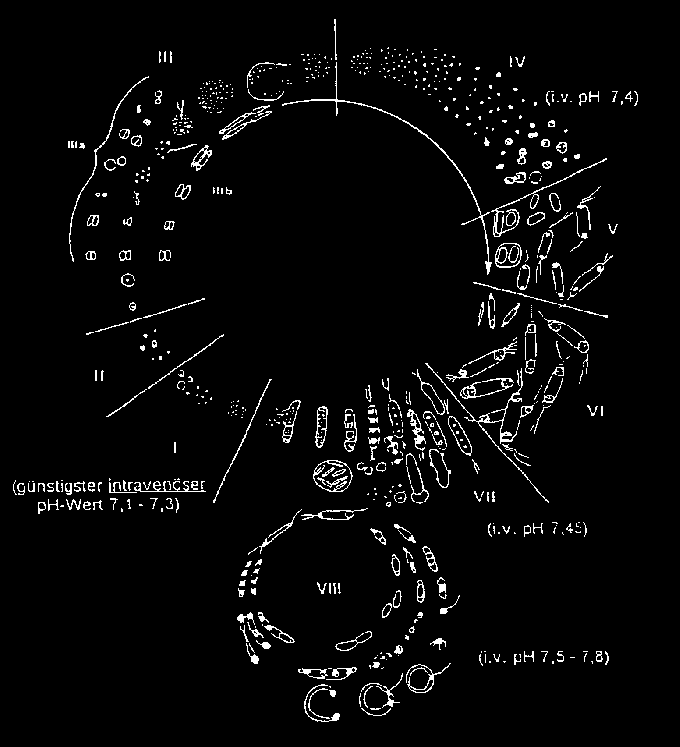 Antoine Bechamp (1816)-1908): Master of Pharmacy, Doctor of Science, Doctor of Medicine, Professor of Medical Chemistry and Pharmacy, Fellow and Professor of Physics and Toxicology, professor of Biological Chemistry, Dean of the Faculty of Medicine. Also, he clearly described the process of fermentation for what it is: a process of digestion by microscopic beings. He was the first to assert that the blood is not a liquid, but a flowing tissue. Thirty years prior to the rise of monomorphism,
Bechamp brought his attention to tiny "molecular granulations" found in body cells, which other observers had noted before him. They had I scantily defined, and no one had identified their tus of function. After 10 years of careful experitation, Bechamp brought to the world in 1866 profound revelation that the granules were living ferments. He renamed them microzymas, mean small ferments." The essence of this theory is that microzyma, an independently living element, ex within all living things, and is both the builder a recycler of organisms. It inhabits cells, the flue between cells, the blood and the lymph. In a state of health, the microzymas act hamoniously and fermentation occurs normally. But in the condition of disease, microzym become disturbed and change their form and function.
Saturday, July 08, 2006
Optimum health can be achieved through a natural, holistic approach
 Optimum health can be achieved through a natural, holistic approach, which I refer to as the "Cycle of Balance. The concept of specific, unchanging types of bacteria causing specific diseases became officially accepted as foundation of Western medicine and microbiology in late 19th century Europe. Also called monomorphism (one-formism), it was adopted by America's medical/industrial complex, which began to take shape near the turn of the century where the legal system was used to destroy the competing homeopathic medical profession. Controlled by pharmaceutical companies, the complex has become a trillion-dollar-a-year business.
It also includes many insurance companies, the FDA, the National Institutes of Health, the Center for Disease Control (CDC), hospitals, and university research facilities.Among other things, Pasteur is credited with improving and successfully using the technique of vaccination, which was blindly begun in 1796 by Edward Jenner. Jenner took pus from the running sores of sick cows and injected it into the blood of his "patients." Thus was born a vile practice whose nature has changed little to this day, and whose understanding is still clouded by Pasteur's theory.
Tuesday, June 27, 2006
What is Live Blod Analysis
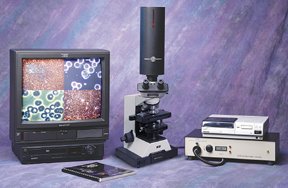 Darkfield Nutritional Microscopy
INTRODUCTION
Live Blood Analysis uses a drop of live blood from the patient's finger that has not been killed by staining, and viewed under a special microscope using a darkfield condenser.
This enables the blood sample to be illuminated from the sides, making the various components phosphoresce behind a dark background.
This makes it possible to see very small particles, smaller than a cell that would not normally be visible under a normal light microscope. All the living components of the blood are seen clearly, and can be viewed by the patient and therapist using a video camera and a dedicated monitor.
The examination of live blood is valuable for the early detection of serious health conditions. It is possible to see at what stage of pathological development the body is in, simply from using one drop of blood.
Because the precursors to serious health imbalances may be observed in the state of ever-present floras found in the blood, health imbalances may be averted by reading these early warning signs and making the necessary changes that will allow one to rebalance the physiology. These markers are also applicable in the course of tracking the progression and reversal of degenerative conditions that may already be in motion.
DARKFIELD MICROSCOPY
The observations of these floras are made using what is known as a Darkfield microscope. When utilizing today's conventional approaches to analyze blood, the standard methods are to use either stains, which make certain factors in the blood visible which would not be otherwise visible, or the electron microscope, which provides ultrahigh magnifications. The limitation of both of the preceding approaches is that the blood is effectively killed through the processes utilized in observation.
In a Darkfield, the blood is stained with light frequencies, which allow the blood to remain alive and active, giving many otherwise unobtainable clues as to the relative health of the blood, thereby, the whole organism.We have entered into a new era of scientific discovery. As the horse gave way to the horseless carriage, so must science now accommodate a new understanding of the body as a whole.
Edgar Cayce, the seer of Virginia Beach, predicted in the 1930's that in the future, a person's state of health would be determined by the evaluation of one drop of blood. This time has arrived!Through the advent of technological advances in microscopy, new discoveries have been proven by such leading researchers as Royal Rife, Gaston Naessans, Dr. Gunther Enderlein, Dr. Majid Ali, M.D. and many others. In the rapidly emerging field of what is known as live cell analysis, an understanding of biology as a holistic science has emerged. Health imbalances in the body may be averted by observing the state of ever-present floras found in the blood and by correcting the milieu that allows the floras to remain in their regulatory forms or to move into pathogenicity. Or conversely, to be reduced from pathogenic forms back down to regulators. These observations are made in what is known as a darkfield.
DARK-FIELD SYSTEMS
Under dark-field examination, the various materials making up the structure of the cell or microorganism under view cause it to appear to glow and emit its own light. Since fine structures often cannot be seen when they appear in front of a bright background, illuminating them from the side and viewing them on a black background lights them up and provides contrast and super fine resolution when plan achromat oil immersion iris diaphragm objectives are used. The background is black because the direct or transmitted light from the condenser is passing around the objective and not directly into it. The only light that is seen is light that is reflected off of the sides and surfaces of the particles. What are seen are illuminated particles on a black background. This provides a very clear view of the minutest forms, as the eye's potential to differentiate is not overwhelmed by background light and light passing through the sample. Viewing blood in a dark-field is a very useful adjunct when evaluating and addressing the traumatic factors in the total life picture of the individual. The advanced phases of the life-cycle of the colloidal microorganisms are at the very deepest level of causes of blood imbalance and other organism aberrations .
WHAT CAN BE DETERMINED FROM LIVE BLOOD ANALYSIS?
Depending on the irregularities found in the blood, there are a wide variety of different conditions that can be determined. The following are just a few examples:· Indication of low immune status· Liver and spleen stress· Vitamin and mineral deficiencies· Hormonal imbalances· Fungal infections· Parasite infestation· Digestive problems· Atherosclerotic predisposition· Heavy metal toxicity· Predisposition to cancer or other degenerative diseases
IS BLOOD STERILE?
For a long time many researchers and doctors believed, and many still do, that blood is sterile. Professor Dr. Gunter Enderlein after numerous years of research, proved otherwise. He showed using darkfield microscopy, that the serum of all people and warm-blooded animals are alive with many moving 'particles'. He called these particles ENDOBIONTS (from the Greek "endon" = internal and "bios" = life). When you first look at a live blood sample under a microscope or on a monitor you cannot fail to see a multitude of moving, living particles. These are the Endobionts, and are an important part of health.
There are a wide variety of different Endobionts in the blood. In fact, from the simplest apathogenic (non-disease forming) PROTIT, they can change forms into pathological (disease causing) species, depending on how much the pH (acidity-alkalinity) of the blood is changed. The higher the acidity, the more pathogenicity, and the more likelihood of developing a chronic, degenerative disease process over time. The wonderful world of Live Blood Analysis can enable you to see the different forms in the blood, and to therefore determine how far ahead you are in the disease process.
Prof. Enderlein discovered that these Endobionts change into different forms as the internal milieu changes. The more the metamorphosis (different changes), the greater the probability of disease. The pH of our blood is determined by the food we eat, and the nutrients we take in daily, as well as other factors such as stress and pollutants. Fast and refined foods and concentrated protein foods all lead to acidic blood which triggers the Endobiont to change to more pathogenic forms. All microbes partake in a natural developmental cycle, that begins with the PRIMITIVE PHASE which is microscopically invisible; this changes into the BACTERIAL PHASE; and finally culminates in the FUNGAL PHASE, which is the most pathogenic stage. This is the theory of PLEOMORPHISM (many forms), as opposed to monomorphism (one form).
More informations here:
- Live_blood Analysis
- Live_Blood_Analysis Darkfield Microscopy Courses
- dark field microscopy
- pleomorphism
- Günther Enderlein
more discussion: Forum· Addiction Forum · Ask the Doctors Forum · Ayurveda Forum · Ayurvedic & Thai Herbs Forum · Colon Cleansing Forum · Dental Forum · Diabetes Forum · Diet Forum · General Cleansing Forum · Hepatitis A, B. C Forum · Integrated Medicine Forum · Live Blood Analysis Forum · Ozone-Oxygen-Forum · pH - Alkaline - Acidity Forum · Weight Loss Forum
Subscribe to:
Posts (Atom)
Advanced Body Cleansing Kit$147.75  Advanced Body Cleansing Kit with Livatrex™, Oxy-Powder®, Latero-Flora™ and two bottles of ParaTrex®. |