Showing posts with label alternative. Show all posts

Friday, July 25, 2008

The Secret To Health - Part 3 of 8

The Secret to Health reveals information that has been suppressed by the medical establishment for over 100 years! Learn how you can restore your health, increase your energy and vitality, and take control of your body again!


More informations here:

more discussion: Forum· Addiction Forum · Ask the Doctors Forum · Ayurveda Forum · Ayurvedic & Thai Herbs Forum · Colon Cleansing Forum · Dental Forum · Diabetes Forum · Diet Forum · General Cleansing Forum · Hepatitis A, B. C Forum · Integrated Medicine Forum · Live Blood Analysis Forum · Ozone-Oxygen-Forum · pH - Alkaline - Acidity Forum · Weight Loss Forum


Oxy-Powder®

Oxy-Powder®

$42.95
[ learn more ]

Add to Cart

Top Quality Colon Cleansing
Oxy-Powder® is a scientifically formulated compound that uses the power of oxygen to safely aid the body in relieving irritation associated with constipation symptoms. A clean, toxin-free intestinal tract is the foundation for maintaining optimal health. Did you know over 100 million Americans are constipated? 120 Vegetarian Capsules.

Tuesday, July 22, 2008

The Secret To Health - Part 2 of 8

The Secret to Health reveals information that has been suppressed by the medical establishment for over 100 years! Learn how you can restore your health, increase your energy and vitality, and take control of your body again!


More informations here:

more discussion: Forum· Addiction Forum · Ask the Doctors Forum · Ayurveda Forum · Ayurvedic & Thai Herbs Forum · Colon Cleansing Forum · Dental Forum · Diabetes Forum · Diet Forum · General Cleansing Forum · Hepatitis A, B. C Forum · Integrated Medicine Forum · Live Blood Analysis Forum · Ozone-Oxygen-Forum · pH - Alkaline - Acidity Forum · Weight Loss Forum


Oxy-Powder®

Oxy-Powder®

$42.95
[ learn more ]

Add to Cart

Top Quality Colon Cleansing
Oxy-Powder® is a scientifically formulated compound that uses the power of oxygen to safely aid the body in relieving irritation associated with constipation symptoms. A clean, toxin-free intestinal tract is the foundation for maintaining optimal health. Did you know over 100 million Americans are constipated? 120 Vegetarian Capsules.

Monday, July 21, 2008

The Secret To Health - Part 1 of 8

The Secret to Health reveals information that has been suppressed by the medical establishment for over 100 years! Learn how you can restore your health, increase your energy and vitality, and take control of your body again!


More informations here:

more discussion: Forum· Addiction Forum · Ask the Doctors Forum · Ayurveda Forum · Ayurvedic & Thai Herbs Forum · Colon Cleansing Forum · Dental Forum · Diabetes Forum · Diet Forum · General Cleansing Forum · Hepatitis A, B. C Forum · Integrated Medicine Forum · Live Blood Analysis Forum · Ozone-Oxygen-Forum · pH - Alkaline - Acidity Forum · Weight Loss Forum


Oxy-Powder®

Oxy-Powder®

$42.95
[ learn more ]

Add to Cart

Top Quality Colon Cleansing
Oxy-Powder® is a scientifically formulated compound that uses the power of oxygen to safely aid the body in relieving irritation associated with constipation symptoms. A clean, toxin-free intestinal tract is the foundation for maintaining optimal health. Did you know over 100 million Americans are constipated? 120 Vegetarian Capsules.

Monday, March 17, 2008

No More Type I or Type II Diabetes!

I am so happy to share with you a pH Miracle case study for Type I Diabetes.

The story begins two months ago with a 6 year old child named Gabriel who was diagnosed with onset Type I Diabetes. Through Gabriel's parents I had the honor to meet and work with Gabriel to help him reverse this condition.

When I looked at Gabriel's live and dried blood he had all the markers for the condition he had been diagnosed with by his doctor - Type I diabetes.

The blood showed:

1) White spots on the red blood cells,
2) Targets in the center of the red blood cells,
3) Yeast cells, like candida in the blood plasma, and
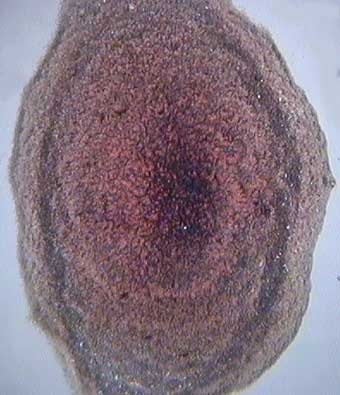
4) A dark protein ring in the center of the coagulated blood, indicating bowel congestion.

I shared with Gabriel and his parents that diabetes starts in the bowel not in the pancreas. Balancing blood sugars has everything to do with restoring the alkaline pH of the small and large intestines by eliminating the congestion of undigested chicken, beef, pork and fish. I helped them understand that the major cause of diabetes in children is from protein not from sugar. I knew if Gabriel would clear his bowels of undigested animal proteins his blood sugars would normalize and "No More Diabetes!"

This is exactly what happened - Gabriel cleared his bowels and now has normal blood sugars and "No More Type I Diabetes!"

The following is Gabriel's story as told by his incredible Mother who had the insight and inspiration to look outside the medical box of current medical thought.

Dear Dr. Young,

Two months ago my husband and I were shocked when our family doctor informed us he thought our six year old son, Gabriel, had Type 1 Diabetes. The pediatric endocrinologist we were referred to was reasonably sure he had the disease .Although the specialist said we detected it early, he estimated that Gabriel would be insulin-dependent within six months. When we asked if there was anything we could do, the doctor assured us there was no way to prevent the onset of Type 1 Diabetes. We would just have to wait for the disease to run its course.
Our hearts were grieving for our precious son.

We immediately began learning all we could about Type 1 Diabetes. I am an R.N., and I have studied health alternatives and nutrition. I began scouring the internet and researching sources I have studied.
After considering many possibilities, Dr. Youngs's research seemed the most promising. Dr Young generously invited us to visit the research center as a case study for his microscopy course. He confirmed the Type 1 Diabetes diagnosis and started Gabriel on the pH Miracle Living Plan or the COWS Plan as outlined in his book, The pH Miracle for Diabetes.

The day we visited the pH Miracle Center, Gabriel began drinking what he calls "green power". We began the alkaline diet immediately. His blood sugar levels dropped to within normal range and have remained normal. Gabriel says he feels so much better. Overall, his flagging energy has returned to its previous vitality.

Gabriel now tells everyone he wants to be a doctor.
He wants to help other sick people like Dr. Young.
We thank God for the pH Miracle Living program which has been and answer to our prayers. Thanks to Dr.
Young's dedicated research, our mourning has been transformed into hope.

Gabriel's Mom

The key to reversing Type I diabetes is the healing of the small intestine and the intestinal villi or root system of the body. When we have a healthy small intestine we can build healthy red blood cells which can then build a healthy body.

Very few people realize that sugar is a waste product of cellular degeneration or breakdown, not a fuel for energy. Think about it for a moment when you consider a banana as it ripens or ferments - it becomes sweeter with the acid sugar - it is melting into sugar.

This is what is happening to the person doing diabetes.
He or she is melting into sugar.

When we clear the bowels of protein and begin to build blood with chlorophyll, oil, alkaline water and salt we can expect only one thing - incredible health and energy and "No More Diabetes!"

In fact, if more people understood the principals I teach there would be "No More Diabetes" of any type in the world today!"

Tuesday, November 27, 2007

Cranberry Sauce May Be Healthy Treat

(HealthDay News) -- The cranberry on your Thanksgiving dinner plate may be more than a pleasant condiment, it may be good medicine, too, scientists say.

Compounds in cranberries may be able to protect against E. coli bacteria, -- which cause a number of human health problems, including gastroenteritis, kidney infections and tooth decay -- say researchers at Worcester Polytechnic Institute in Massachusetts.

A team led by Terri Camesano, an associate professor of chemical engineering at the institute, has uncovered a number of biochemical and biophysical mechanisms that may explain some of the health benefits attributed to cranberries, including cranberry juice's ability to prevent urinary tract infections (UTIs).

For example, they've found that a group of tannins (called proanthocyanidins or PACs) found primarily in cranberries interact with bacteria at the molecular level and prevent E. coli from attaching to cells in the body (a first step in infections) in a number of ways.

Among their findings:
  • Chemical changes caused by cranberry juice create an energy barrier that prevents bacteria from getting close to the urinary tract lining.

  • Cranberry juice causes compression of tiny tendrils on the surface of the type of E. coli that causes the most serious types of UTIs. Compression of these tendrils reduces the bacteria's ability to attach to the urinary tract lining.

  • E. coli grown in cranberry juice or in PACs can't form biofilms, which contain high concentrations of bacteria and are required for infections to develop.

The research has been reported in a number of publications and presentations.

More information
The U.S. National Center for Complementary and Alternative Medicine has more about cranberry.

more discussion: Forum
· Addiction Forum · Ask the Doctors Forum · Ayurveda Forum · Ayurvedic & Thai Herbs Forum · Colon Cleansing Forum · Dental Forum · Diabetes Forum · Diet Forum · General Cleansing Forum · Hepatitis A, B. C Forum · Integrated Medicine Forum · Live Blood Analysis Forum · Ozone-Oxygen-Forum · pH - Alkaline - Acidity Forum · Weight Loss Forum

Thursday, September 27, 2007

Caffeine Plus Acetaminophen Toxic for Some

(HealthDay News) -- Very high doses of caffeine and acetaminophen (such as Tylenol), taken together, could lead to liver damage, researchers warn.

This combo produces a byproduct enzyme that's toxic to the organ, researchers from the University of Washington report.

This toxic twosome can occur not only by drinking caffeine while taking acetaminophen, the experts added, but also from large doses of painkillers that combine caffeine and acetaminophen.

These painkillers are often used to treat migraines, menstrual discomfort and other conditions.

"Caffeine can interact with an enzyme that can form a toxic metabolite of acetaminophen in such a way that it increases the formation of that toxic metabolite," said lead researcher Sid Nelson, a professor of medicinal chemistry. "This can result in liver damage," he said.

In the study, Nelson's team tested the effects of acetaminophen and caffeine on E. coli bacteria.

These bacteria had been genetically engineered to mimic a human enzyme in the liver that detoxifies many prescription and nonprescription drugs, explained the authors in a report in the Oct. 15 issue of the journal Chemical Research in Toxicology.

Nelson noted that it takes large qualities of caffeine to produce this reaction.

"Normally people wouldn't be ingesting that amount of caffeine," he said. "It would take 10 times the amount of caffeine found in a couple of cups of coffee," Nelson said.

His team found that caffeine triples the amount of a toxin called N-acetyl-p-benzoquinone imine (NAPQI) produced by the enzyme as it breaks down acetaminophen.

This same toxin is also produced during an interaction between alcohol and acetaminophen that's also well known to damage the liver.

In prior studies, Nelson's team had found that high doses of caffeine boosted liver damage in rats that had already suffered acetaminophen-linked liver damage.

The bacteria used in the study were exposed to doses of acetaminophen and caffeine far higher than most people would be exposed to, Nelson noted. It's not clear at what point such a mixture becomes toxic, he said.

Some people may be more vulnerable to this toxic interaction than others, Nelson said. They might include people who take certain antiepileptic medications, such as carbamazepine and phenobarbital, and people who use the alternative remedy St. John's Wort.

These drugs increase levels of the enzyme that produces NAPQI and may produce even more when mixed with acetaminophen and caffeine together, Nelson speculated.

In addition, because alcohol can boost NAPQI production, people who drink a lot may be at increased risk for this toxic interaction, the researcher said. The risk is also increased for people who take drugs that combine acetaminophen and caffeine, used to treat migraines, arthritis and other conditions.

Still, for most people, there's no reason to panic, since the chances of caffeine and acetaminophen becoming a toxic mixture remains small, Nelson said.

"Almost all people don't need to worry about taking caffeine with acetaminophen," Nelson said.

Exceptions might be, " those [people] taking high does of caffeine, high doses of acetaminophen, who are possibly alcoholic and/or are epileptic and take certain anticonvulsive drugs," he said.

More information
For more on acetaminophen, visit the U.S. National Library of Medicine.

more discussion: Forum
· Addiction Forum · Ask the Doctors Forum · Ayurveda Forum · Ayurvedic & Thai Herbs Forum · Colon Cleansing Forum · Dental Forum · Diabetes Forum · Diet Forum · General Cleansing Forum · Hepatitis A, B. C Forum · Integrated Medicine Forum · Live Blood Analysis Forum · Ozone-Oxygen-Forum · pH - Alkaline - Acidity Forum · Weight Loss Forum

Thursday, August 16, 2007

Chemical Flame Retardants Linked to Thyroid Disease in Cats

(HealthDay News) -- A mysterious epidemic of thyroid disease in pet cats in the United States may be due to dust from fire-retardant chemicals used in carpets, furniture, mattresses, electronic products and even pet food, researchers report.

And while the researchers said there's no evidence to suggest a threat to humans posed by the chemicals -- called polybrominated diphenyl ethers (PBDEs) -- they can't rule out the possibility.

"Cats are very highly exposed to these chemicals, and the levels in cats are higher than the levels in people," said researcher Linda S. Birnbaum, director of the Experimental Toxicology Division at the U.S. Environmental Protection Agency. "But cats may be a good indicator of indoor exposure to humans," she added.

Symptoms of hyperthyroidism in cats include weight loss, increased appetite, hair loss and irritability. Hyperthyroid cats could serve as modern-day versions of the canaries in coal mines that alerted miners to poisonous gas, said Birnbaum, who added that hyperthyroidism is treatable in cats as well as people.

Feline hyperthyroidism is one of the most common and deadly diseases in older cats, and indoor pets are thought to be at greatest risk, Birnbaum said. Because of their conscientious grooming, cats ingest large amounts of house dust containing PBDEs.

Concerns about health effects from PDBEs began in the late 1990s, and studies have found that the chemicals cause liver and nerve toxicity in animals. "In addition, a recent study found an association with house dust and the levels of PDBEs in breast milk in women," Birnbaum said.

Many PBDEs, such as penta, which was used in polyurethane foam for furniture cushions and pillows, have been phased out either voluntarily by manufacturers or by bans from states and the U.S. government and governments overseas.

Despite these bans, BBDEs are environmentally persistent compounds, so it will take a long time before they disappear from the environment, Birnbaum said.

She noted that the EPA is looking for safer alternatives to some of the chemicals that will be fire resistant but not pose a potential health threat to animals or humans. So far, 14 alternative flame retardants have been evaluated, and furniture foam manufacturers are using new alternatives, according to the EPA.

In the new study, published in the Aug. 15 online issue of Environmental Science & Technology, Birnbaum and her colleagues took blood samples from 23 cats, 11 of which suffered from hyperthyroidism. They found that the cats with the disease had levels of PDBEs that were three times higher than younger cats and cats without the condition.

PBDEs are also found in canned cat food, particularly in fish/seafood flavors, such as salmon and whitefish. An analysis showed that diets based on canned food could have PBDE levels 12 times higher than dry-food diets. For these reasons, cats could be receiving as much as 100 times greater dietary PBDE exposure than American adults, the researchers said.

The danger of feline hyperthyroidism might be higher in the United States, where people have the highest reported PBDE levels worldwide, according to the report. In addition, by the late 1990s, North America accounted for almost half of the worldwide demand for PBDEs for commercial materials such as furniture and upholstery.

The epidemic of hyperthyroidism in cats began almost 30 years ago, experts say, at the same time that PBDEs were introduced into household materials for fire-prevention. Now the disease has been seen in Canada, Australia, Japan and many parts of Europe.

Hyperthyroidism has also increased in people. For example, former President George H.W. Bush and First Lady Barbara Bush have the condition, as does Millie, their Springer Spaniel.

More information
For more information on PBDEs, visit the Washington State Department on Ecology.

Saturday, July 21, 2007

Research Points to Single Origin of Humans

(HealthDay News) -- All humans originated from a single point in Africa and migrated across the world, say British researchers at the University of Cambridge.

Previously, there were two theories on the origin of humans. One theory said that all humans originated in Africa. The second theory said that different populations of humans evolved from different areas of the world.

But in a new study published in the July 19 issue of Nature, researchers say they have proven the single origin of humans theory by combining studies of global genetic variations in humans with skull measurements across the world.

The researchers studied genetic diversity of human populations around the world and measured more than 6,000 skulls from across the globe, kept in academic collections.

They found that losses in genetic diversity the farther a population is from Africa are mirrored by losses in variation in physical attributes.

Variation in the physical attributes of the skulls was highest among the sample from southeastern Africa, and it decreased at the same rate as the genetic data the farther the skull was away from Africa.

"The origin of anatomically modern humans has been the focus of much heated debate. Our genetic research shows the further modern humans have migrated from Africa, the more genetic diversity has been lost within a population," lead researcher Andrea Manica, from the university's department of zoology, said in a prepared statement.

"However, some have used skull data to argue that modern humans originated in multiple spots around the world. We have combined our genetic data with new measurements of a large sample of skulls to show definitively that modern humans originated from a single area in sub-Saharan Africa," Manica said.

The decrease in genetic diversity in populations farther from Africa was likely a result of "bottlenecks" -- events that temporarily reduced populations during human migration.
The researchers attempted to use their data to find non-African origins for modern humans, testing the theory of multiple origins.

"To test the alternative theory for the origin of modern humans, we tried to find an additional, non-African origin. We found this just did not work. Our findings show that humans originated in a single area in Sub-Saharan Africa," co-researcher Francois Balloux said in a prepared statement.

More information
The U.S. National Human Genome Research Institute has more about genetic variation.

Monday, January 22, 2007

The Cleansing Diet

Healing the liver can be helped through the use of foods friendly to the organ and a diet that contributes to overall health. By: Kerri Buckley “There are two ways to clean a dirty water glass,” my teacher observed, with the studied deliberation that told me he was going to say something simple but with vast implications. “The first is to turn it upside down and wash it out.”

He paused for me to digest what he’d said. “The second is to let fresh water run into it, fill it, and overflow—continuously running in and out over a long period of time.” Then he asked, “Which do you think works best?” I hesitated, suspecting it was a setup.

Before I could venture a reply, he volunteered, “You think it’s the first, the emptying and the washing, but it’s not. The gradual approach is more thorough in the long run.” — From Radical Healing by Rudolph Ballentine, M.D. Facing a diagnosis or treatment plan for an illness like hepatitis C can be overwhelming because with that diagnosis or symptoms of this serious condition also comes a feeling of powerlessness over your body and ultimately over your life.Hepatitis C is a complicated and insidious virus involving much more than just the liver, and there are many things to educate yourself about.

You’ll have decisions to make about your treatment plan. Will you choose traditional therapy and interferon, alternative treatments, or a combination of both? As a certified chef who has been working with the special diet population for 20 years, I find that people truly heal best when they have hope and when they feel as if they themselves are most responsible for their own health. They adopt the attitude that their practitioners are partners in their healing journey, and they choose the therapies and healers that work best for them.

Clean Up Your Diet One thing that is dramatic in both empowering people and bringing rapid, physical relief is a cleansing diet. A gentle and consistent cleanse with foods not only takes the load off the liver to process food, it improves digestion, cleans the lymphatic system, and energizes and strengthens the immune system. It can be used with both traditional and alternative medicine. A competent cleansing program will include enzyme therapy, alkalize the body with vegetables, cleanse all the toxins from the body, and help restructure the body’s defenses. The drastic improvement in well-being offers hope, and hope is the spark that ignites the process of healing.

There is an emerging group of doctors who are blazing a trail in a new methodology of healing. They are medical doctors, naturopaths, chiropractors, and biologists. There are centers around the country that deal with cleansing the body of toxins, such as the Hippocrates Institute in Florida, Bastyr University’s Hepatitis C Clinic north of Seattle, the Gonzalez clinic in New York, and the Martha’s Vineyard Holistic Retreat.

These centers are producing miracles, and practitioners of all kinds are following the advice of this new breed of physician—physicians like research biologist Robert Young, naturopathic doctor Hulda Clark, Dr. Rudolph Ballentine, author of Radical Healing, and Dr. Nicholas Gonzalez, known for his break with conventional medicine in treating cancer patients and others with chronic diseases with methods like coffee enemas and enzyme therapy.

The advice they share is not new—Hippocrates advocated a plant-based diet 2,500 years ago, along with pure water, sunshine, rest, and fresh air. He believed that the body would heal itself if nurtured with these conditions. What is new is the level of research. It takes physics and microbiology to a very new and exciting level—one that can help patients with chronic illnesses.

How Your Body Cleanses To understand how a cleanse works, you should have a basic understanding of how the body cleanses itself. It is a miraculous process. Our bodies cleanse primarily through the colon, skin, lungs, and bladder. Assisting these four primary ways of elimination are the liver, kidneys, and lymphatic system.

The liver is responsible for most of the body’s detoxification. It processes and converts the body’s fuel supply from foods. It breaks down fats and detoxifies substances like alcohol, nicotine, caffeine, pesticides on produce, drugs, antibiotics, unfiltered water, chemicals, and additives in processed foods. If the liver is overworked or not functioning properly, it can’t convert toxins into waste matter for elimination, and you can end up literally poisoning yourself—a process called autointoxication.

The liver is the organ with the most enzyme systems, and it is enzymes that enable it to do its job well. Factors that stress the liver are improper digestion (a result of eating cooked and processed foods), yeast overgrowth, parasites, fats in the diet, dehydration, and inadequate water intake. Clark, author of The Cure For All Diseases says, “One-hundred percent of all cancer patients have parasites in the liver.

Cleansing the liver is the most powerful procedure you can do to improve your body’s health.” She says you must also cleanse the body by getting rid of all toxins in the body, including amalgam and polluted water—that is, water with heavy metals or PCBs. After following her protocol at her clinic for two to three weeks, she says, “Patients simply don’t have the virus present in their bodies anymore.” Watching Your pH A program that cleanses the liver removes those substances from a diet that would normally require the liver to work harder.

This means adding live enzymes to the diet rather than depleting them from the liver and alkalizing the body. Both goals are accomplished with fresh, organic vegetables. Young says, “There is only one illness, one disease—and that disease is improper pH balance in the body due to an acidic environment. You cannot separate disease from acidity.”

He goes on to say, “Our health can be measured in only one way, whether our tissues are more acidic in pH or more alkaline. The body becomes acidic by our eating, drinking, and thinking.” According to his research, when the body utilizes food at the cellular level, it leaves an ash that is either acid or alkaline in nature. If the ash is alkaline, it is easily handled by the body and used for fuel-energy and repair. If it is acidic, it acts as a toxin, and the stress placed upon the body leads towards decline and eventual disease.

When the tissues in the body are alkaline, microbes within the body are inert or they regenerate and repair, but when tissues are acidic they take on the natural role of decomposing the body. The body becomes diseased. The average American diet is mostly acidic. Foods that are acidic are meats, soft drinks, yeasted breads, coffee, tea, cheeses, dairy products, sugars, most fruits, and all fried and junk food. Foods that are alkaline are vegetables and legumes.

With regard to any disease of the liver, including cancer and hepatitis, Young says, “In an alkaline environment, the liver is capable of regenerating itself—in six weeks you can have a brand new liver.” He compares our bodies to that of a fish in a fishbowl. “The fish is only as sick as the water it lives in,” Young says. “If you change the water in a fishbowl, the fish gets well. Since our bodies are 70 percent fluid, changing the fluid environment changes our health, and you do that with your foods, drinks, and thinking.”

The Internal Environment Lloyd Katz, a chiropractic doctor in Amherst, Va., agrees. “Louis Pasteur was on his deathbed when he admitted that the terrain is more important than the bug. Our diet is essentially everything we take into our body—food, drink, air, our thoughts, even what we watch on television.” Dr. Katz says he has seen people who had to be carried in to treatment and had lost hair due to chemotherapy and were “as weak as kittens” regain their health in only weeks from raw foods and wheat grass enemas. “It is truly amazing what the body is able to do when cleansed and provided with the right environment.”

Proper digestion is essential for a healthy liver and begins in the mouth with the enzymes produced by the chewing process. As we age, our stomachs are less capable of producing the enzymes that help break down food. All enzymes in foods are destroyed above 117 degrees Fahrenheit. Without enzymes, proteins (amino acids) are difficult to digest. Keeping the colon clean is essential for a cleanse.

This is accomplished by adding fiber to your diet, drinking lots of water, chewing everything well, and taking at least a brisk walk every day. Some people might benefit by seeing a colon therapist. Jeremy Rodrock, a chiropractic doctor from Baldwin City, Kan., concentrates on digestion as a way to improve immunity with his patients who have HCV. “Mainstream treatments for hepatitis C suppress the immune system,” he says. “I usually recommend raw fruits and vegetables for the antioxidants and the fiber.

I also tell my patients to avoid all ‘white’ foods—anything with white flour or any product that has been bleached. White foods tend to have chemicals because they are processed.” Michael Taylor is a biologist and microscopist—he looks closely at blood samples of people to determine what kind of microbes are present in the body. He says there is a whole new vocabulary necessary with this new thought of “bio-ecology.”

Taylor says the most important thing a person with HCV can do is “realize the body strives to heal itself daily. Remove the things supporting the microbes within the terrain, and replace it with whole foods as a supplement to rebalance.” He also stressed that you should recognize denial or resistance to change and eliminate it.

Foods For Health A cleanse should consist of mostly raw foods, simple proteins, such as beans and legumes, whole grains, fish, and lots of pure water. Cleansing will starve the overgrowth of yeast present and balance the body’s pH through foods that alkalize. Raw foods are freshly harvested foods that are not cooked or processed in any way. These foods are packed with fully functioning enzymes that help your body with digestion. For disease prevention, five servings of vegetables a day are recommended by such organizations as the American Dietetic Association and American Cancer Society.

Through Dr. Young’s research, it is easy to understand why. He advocates an 80/20 ratio of raw foods to cooked foods. You can get four to five servings of vegetables in two cups of freshly juiced vegetables. Buying a juicer is the best investment you can make in your health, he says. Wheat grass juice is an excellent cleanser.

Don’t stop with the juice, however. Eat small and frequent meals to keep your calorie intake up and add more vegetables, raw or lightly steamed—like zucchini, braised cabbage, or fresh tomato and cucumber salad—along with green drinks, whole grains, and plant-based sources of protein, such as beans, chickpeas, soy, and nuts.

Use herbs and spices liberally. Avoid sugar and even most fruits when you cleanse, because the sugar causes a yeast overgrowth and makes you crave more sugar. Breads with yeast should be avoided, but sprouted breads are available at health food stores and flatbreads are easy to make. Stevia can be used in place of other sweeteners and does not contribute to the growth of yeast. Include essential fatty acids such as flaxseed oil.

Avoid caffeine. Grain coffee tastes similar and does not affect the body’s pH the way that coffee does. Herb teas are wonderful, especially mate and lapacho. Nut milks are delicious, easy to make, and great for cleansing. Include lots of fresh water—the rule is one ounce of purified water per pound of body weight. Green powders also are fabulous for the liver. Smoothies made from soy or rice milk, green powders, protein powder, and natural flavorings satisfy your cravings while keeping up your protein intake.

The green powders are easy to digest and are full of enzymes. Smoothies are fast and easy to make, and they go a long way in helping your body cleanse and rebuild. The Natural Way To Eat The Hippocrates Institute in Florida is known for its persistent and steadfast education on raw foods. General manager Reenie Brewer says, “I see miracles here every day.

People come in with walkers and canes, and they get well. It’s all accomplished through their efforts to stop putting into their bodies the things that don’t belong there and replace them with the things that do.” If you are used to meat and potatoes or daily fast food, a cleansing diet will be very different. It is, in fact, a most natural way to eat.

It is time for us to learn to eat to live instead of living to eat. This is not really a diet, but a process. It is a choice to be proactive in improving your own health, immunity, and energy levels. People often ask how long they should eat this way.

It should be slow, gradual, and consistent—a lifelong process. You don’t have to declare yourself a vegetarian to benefit from a diet that is 80 percent raw. If you find yourself feeling much better, you won’t mind getting creative with veggies, grains, and legumes. There are cookbooks on raw foods that contain recipes for raw, enzyme rich, dehydrated foods.

You can even make bread and pizza this way. As you cleanse the body and starve the yeast, you may find that you no longer crave sugar, hamburgers, and coffee. Below you’ll find some recipes that will help you cleanse, will alkalize your body, and are rich in enzymes.

To your health, to your liver, and to hope!
Kerri Buckley is a freelance writer and certified chef from Ocean Shores, Wash.
This article came from HEPATITIS MAGAZINE© 2002
The pH Miracle Center

more info: http://www.dreddyclinic.com/diet/alcaline/alk_diet.htm

Saturday, November 11, 2006

Wake Up to a new level of health.

Wake Up to a new level of health. Wake up knowing you are healthier than you were yesterday.

Detoxamin Ca-EDTA Chelation therapy works while you sleep to gently and gradually rid your body of heavy metals and other deadly toxins.

Be Aware that the average body holds 1,000% percent more lead today than 100 years ago simply because of the environment we live in.

Chelation therapy is a safe, effective, inexpensive alternative to drugs and surgeries.

Chelation therapy has been successfully used for decades to treat illnesses such as heart disease, strokes, diabetes, and removing unnecessary heavy metals like lead, mercury, even pesticides.

Protect Yourself and your family with the most effective self-administered Ca-EDTA therapy available.

Detoxamin Ca-EDTA chelation therapy is just as effective as traditional intravenous methods-without any needles, repeated office visits, or time consuming intravenous treatments. At about 30% of the traditional cost.

Learn More about Detoxamin or order now. Nothing to lose, only better health to gain.

More information: Chelation

more discussion: Forum
· Addiction Forum · Ask the Doctors Forum · Ayurveda Forum · Ayurvedic & Thai Herbs Forum · Colon Cleansing Forum · Dental Forum · Diabetes Forum · Diet Forum · General Cleansing Forum · Hepatitis A, B. C Forum · Integrated Medicine Forum · Live Blood Analysis Forum · Ozone-Oxygen-Forum · pH - Alkaline - Acidity Forum · Weight Loss Forum

Answers to Some Important Questions about Ca-EDTA chelation therapy and Detoxamin. What is EDTA chelation therapy, and what is it used for?

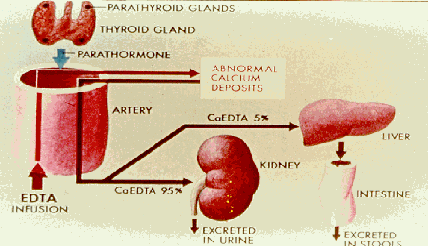
Chelation (pronounced key-lay-shun) is the process by which a metal or mineral (such as lead, mercury, iron, arsenic, aluminum, etc.) is bonded to another substance-in this case an amino acid called EDTA.

It is a natural process, basic to life itself. During EDTA chelation therapy, the EDTA infusion bonds with unwanted metals in the body and quickly carries them away in the urine.

Chelation therapy is a safe, effective alternative to drugs and surgeries and is used to treat many illnesses now known to be linked to the presence of toxic heavy metals.

Illnesses such as heart disease, strokes, diabetes, circulatory disorders, neuropathies, Alzheimer's disease, atherosclerosis, and adverse reactions to many environmental pollutants.

Traditional chelation therapy uses an intravenous drip, and is administered in the outpatient setting.

The number of treatments vary based on each person's individual condition and/or goals of treatment. The average therapy is given one to three times a week for twenty to thirty treatments.

more information about Chelation

more discussion: Forum
· Addiction Forum · Ask the Doctors Forum · Ayurveda Forum · Ayurvedic & Thai Herbs Forum · Colon Cleansing Forum · Dental Forum · Diabetes Forum · Diet Forum · General Cleansing Forum · Hepatitis A, B. C Forum · Integrated Medicine Forum · Live Blood Analysis Forum · Ozone-Oxygen-Forum · pH - Alkaline - Acidity Forum · Weight Loss Forum

Wednesday, October 25, 2006

Artificial Lung Valve Could Aid Emphysema Paitients

(HealthDay News) -- An experimental umbrella-like valve appears to help improve breathing in emphysema patients, according to a study that suggests the device may eventually offer a noninvasive alternative to lung volume reduction surgery (LVRS).
The one-way IBV valve limits ventilation in diseased areas of the lungs and redirects air to the remaining healthier areas of the lung. At the same time, it allows for normal clearance of lung secretions.
"The IBV valve is similar in concept to LVRS in that it aims to make the lungs work more efficiently, thereby decreasing shortness of breath," study author Dr. Daniel H. Sterman, of the University of Pennsylvania Medical Center in Philadelphia, said in a prepared statement.
"Unlike lung-reduction surgery, valve treatment has fewer complications and a shorter hospital stay. For example, most valve-treated patients have a one-night observational hospital stay while surgical patients average a week or more in the hospital," Sterman said.
In this study, he and his colleagues assessed 75 patients with severe upper-lobe emphysema who received a total of 520 IBV valves (an average of six to seven valves per patient). The researchers concluded that the device was safe and effective.
The findings were to be presented at this week's American College of Chest Physicians annual meeting, in Salt Lake City.
The IBV valve has not been approved by the U.S. Food and Drug Administration and is only available in a research trial sponsored by Spiration Inc., which developed the valve.
More information
The American Lung Association has more about emphysema.

Friday, October 20, 2006

CHAPTER II.:The Blood and the Third Anatomical Element by Antoine Bechamp

ON THE ACTUAL SPECIFIC INDIVIDUALITY OF THE ALBUMINOID PROXIMATE PRINCIPLES. THE ALBUMINOIDS. THE PHENOMENON OF COAGULATION. THE ALBUMINOIDS OF THE FIBRIN. THE ALBUMINOIDS OF THE SERUM. HAEMOGLOBIN. HAEMOGLOBIN AND OXYGENATED WATER

To solve the problem of the spontaneous coagulation of the blood, it is necessary to know not only the three anatomical elements of this humor, but also the composition of the medium in the midst whereof they live, because there are to be found united the conditions of their existence.
Let us admit—what will be proven—that, in accordance with the hypothesis of Hewson, of Milne Edwards and of Dumas, fibrin does not exist dissolved in the blood, and further that it is connected with what we have called fibrinous microzymas. We then recognize that the really liquid part of the blood contains all its components, including therein the albuminoids, in a state of perfect solution, as in the serum separated from the clot.
In 1815 it was supposed that the serum of the blood contained albumin as the only albuminoid matter, and this was not only identified with the white of an egg, but with the albumen of the serous fluid of the pericardium and of the ventricles of the brain, with chyle, and even with pathological serous fluids: such as that of dropsy, of blisters, etc.1 And these identifications were based solely upon a single character, coagulation.
1. Thenard, Traite de chimie, Vol. III, p. 432 (1815).
Even to-day it is contended that two solutions contain the same albumin when they are coagulable at about the same temperature. But the phenomenon of coagulation has been so abused that it has become necessary to define it accurately.
The phenomenon of coagulation. At first the term coagulation was applied to the passage of the blood from a liquid to a solid state, in the same sense that one said of a liquid which solidified, of a vapor which condensed into a liquid,—that it coagulated. Fourcroy said of the white of egg, of the blood serum, etc., that they are concresciblea by the application of heat because they contain albumin. But in process of time, to the notion of coagulability, chemists added that of insolubility; to coagulate became for the albuminoids the correlative to becoming insoluble. For instance, when the white of egg forms into a solid mass in a hard boiled egg, it is said to have coagulated, to have become at once solidified and insoluble throughout; but as will be seen presently it is not so with the blood when that is said to be spontaneously coagulated.
a. [Obsolete; from the Latin concrescere, to grow together, hence to solidify.—Trans.]
When coagulation was thus strictly defined in a chemical sense, the insolubility of the coagulated substance was only considered relatively to water as the solvent; solubility before coagulation was also relative to water. But we shall see that the idea should be completed by extending it to other solvents.
In the present state of science, for instance, the name fibrin is given not only to that which I have just studied, that of the blood, the general phlebotomy of adults, but also to that of the arterial or venous blood, without regard to the region of the vascular system from which it is taken, without distinction as to age; that of the chyle, that of the lymph or even of pathological serosities. And this fibrin was regarded as coagulated albumin without regard to the special action of fibrin upon oxygenated water, nor, as we shall see, of its own coagulability.
A rapid review of the history of albuminoid matters will enable us to understand how, in 1875, it came to be supposed that fibrin was only a stage in the transformation or alterations of albumin.
Under the influence of Gay-Lussac and of Thenard, of Mulder and of Dumas, chemists had admitted a certain number of nitrogenous matters of animal or vegetable origin as specific, not only when they were a little different, but even apparently identical in their centesimal elementary composition. These matters Dumas called "neutral nitrogenized matters of the organization," recalling thereby an old classification of Thenard. At last they were called albuminoids, comparing them to albumen, or white of egg, taken for a type, because of certain common properties and of some resemblances in composition. The notion of specificity prevailed up to 1840; after that, in spite of Berzelius, the singular idea of the substantial unity of these substances seemed to prevail. This is how it came about.
It will be remembered that Bouchardat gave the name of albuminose to the fibrinous matter dissolved by very dilute hydrochloric acid. The reason for the invention of this new word is a curious one. Biot had observed that the watery solution of the white of egg deviated the plane of polarization of polarized light to the left; Bouchardat, having found that the hydrochloric solution of fibrin also deviated the same plane of polarization to the left, concluded that "as the soluble principle of fibrin is identical with the dominant matter of the albumen of the egg, I propose for this pure substance the name of albuminose." Then dissolving in very dilute hydrochloric acid various other analogous substances and observing the same results in solutions thus obtained, he generalized as follows: "The fundamental principle found in the fibrin, in the albumen of egg, in the serum of blood, in the gluten of cereals, in casein, is always the same; it is albuminose, mixed or combined sometimes with earthy matters, phosphates of lime and of magnesia, sometimes with alkaline salts, sometimes with fatty matters, which mask their essential properties. If this ephemeral combination be destroyed by a really inappreciable proportion of acid, the albuminose solution is then found with identical properties, exactly similar chemical reactions, similar action on polar­ized light, always deviating to the left, the energy whereof, other things equal, is always proportioned to the weight of the substance dissolved.1
The above amounts to saying that the albumen of the white of egg, that of serum, the essential matter of gluten, of casein and of fibrin, are the same substance, possessing the same rotatory power.
We shall see how, even as to fibrin, to what extent the observation of Bouchardat was superficial and how he deceived himself in generalizing it. He deceived himself so strangely that he did not think for a moment that he had to do with hydrochloric combinations, believing that the quantity of hydrochloric acid of his solvent was inappreciable, etc. The chemists were equally careless. Ch. Gerhardt adopted Bouchardat's point of view and extended it.2 In Germany, especially, a legion of chemists maintained the substantial identity of these matters; P. Schutzenberger (a native of Holland, domiciled in France) adopted it. It was because they knew very little about the chemical constitution of albumen; so little that Ch. Gerhardt consigned albuminoid matters to a place below asphaltes and bitumens, and that in the general confusion M. Naquet thought that albuminoid substances did not belong to the domain of chemistry, but to that of physiology, as remains of organs.
But in 1856, while I was busied with the researches which resulted in the discovery of the microzymas, in a work on the source of urea in the organism,3 by arguments drawn
1. C. R.. Vol. XIV, pp. 966-967 (1842).2. Ch. Gerhardt, "Traite de chimie organique." Vol. IV, p. 436 (1856).3. "Essai sur les substances albuminoides et sur leur transformation en l'uree." These de la Faculte de medecine de Strasbourg. (2d S.). No. 376 (1856).
as much from chemistry as from physiology, I had maintained the specific plurality of the albuminoids and demonstrated that these substances, animal and vegetable alike, produce urea by decomposition following a phenomenon of oxydation. In this work I succeeded in expressing the chemical constitution of albumin and of the albuminoids in general, regarded as proximate principles. I showed that their molecules were very complex, the most complex known, inasmuch as formed of numerous non-complex molecules of the fatty and aromatic series, among which were amide derivatives, amides and sulphides, in the number whereof urea was never wanting, so that if the ureides of M. Grimaux had been known I should have said that albumin is a very complex ureide. In this work I laid the foundation for the future researches which led me to the discovery that the albuminoid matters, even those regarded as proximate principles, are either mixtures, like the albumin of white of egg, or organized things, like fibrin and vitellin. The researches whereby I demonstrated analytically that there are a great number of natural albumins and albuminoids, reducible to rigorously defined proximate principles, were made the subject of examination by a commission of the Academy of Sciences and of a report by J. B. Dumas.1 It was in the memoir which is the subject of this report that is to be found the demonstration of the specific plurality of albuminoid matters, and that the doctrine of their substantial unity is an error.2
1. C. R., Vol. XCIV. The members of the Commission were Milne-Edwards, Peligot, Fremy, Cahours, Dumas reporter.2. "Memoir sur les matirees albuminoides." Recueil des memoires des savants etangers. Vol. XXVIII, No. 3, 516 pages. Imp. Nat.
Among other things, I demonstrated that the classical albumin, the white of egg of the fowl, the type to which had been referred all those matters which were identified under the name of albumin, was a mixture of three proximate principles, irreducible to one another; all three albuminoids, all three soluble and deviating the plane of polarization of light to the left, whereof two are coagulable by heat, the third not coagulable, a veritable zymas. And J. Bechamp, having analyzed, by the same method, the whites of eggs of a number of oviparous animals, birds and reptiles, discovered among them other albumens, other zymases, different from those of the egg of the fowl; so different and differing among themselves that he was able to specify the species of a bird by the albumens of its egg.1
But prejudice and partisanship are so tenacious that nothing was of any avail. Notwithstanding the report of Dumas, long afterwards, a learned physiologist held that fibrin was a proximate principle. He did so in reliance on the opinion of M. Duclaux proclaiming "the extreme mutability of albuminoid matters and the folly of the chemical specifications established in this category of organic substances,2 and again maintained that fibrin was a proximate principle.
1. J. Bechamp, "Nouvelles recherches surlesalbumines normales et pathologiqites." I. B. Bailliere el fils Paris (1887).2. Dastre, C. R-, Vol. XCVIII, p. 959. See on this subject A. Bechamp's Remarks on the note of M. Dastre under the title of "Existe-t-il une digestion sans ferments digestifs des matieres albuminoides?" C. R.. Vol. XCVIII, p. 1157 (1894). M. Dastre saw fibrin disappear, dissolved, in a solution of fluoride of sodium and concluded that it was a digestion.
It is upon such opinions that rests the assurance that fibrin is a stage in the mutations of albumin and that the albumen of milk is a consequence of another change in caseine, as asserted by M. Duclaux. All this is inaccurate and one may even say absolutely untrue, for pure albuminoid matters are fixed and are as rigorously definable and specific as any other proximate principle.
Independently of the ignorance which prevailed touching the chemical constitution of the albuminoids, that which most constributed to perpetuate these prejudices was that so little was known concerning the faculty of the albuminoids to form combinations with bases or acids, that even Dumas had held them to be neutral nitrogenous matters. It is true that Bouchardat said that they form combinations with the alkalies and alkaline earths, but said that such combinations were only ephemeral. Thenard admitted the formation of combinations with hydrochloric and sulphuric acids, but no one paid any further attention thereto. Lieberkuhn regarded the albumen of the white of egg as an albuminate of soda, but said also that casein was an albuminate of potash, etc. These kinds of combinations, under the hypothesis of substantial unity, served to explain the differences presented by these matters, compared with one another, as being soluble or insoluble. What is certain is that, at least in the animal organism, albuminoid matters are always combined with an alkali or an alkaline earth, and that further these combinations are complicated by the presence of phosphatic earths, which they dissolve. And as if to augment the confusion and force of prejudice, natural coagulations were admitted, at the same time that the insolubility of fibrin was sought to be explained by its combinations with phosphates, it was called coagulated albumen; as to the soluble albuminoids, to differentiate them they invoked coagulation by heat; those which coagulated at the same temperature were regarded as identical; casein was said to be insoluble by heat, but coagulable by acids, thus confounding a purely chemical phenomenon of precipitation with a physical phenomenon, etc.
My researches have solidly established that from those natural materials which always constitute mixtures there can be separated by means of analysis the albuminoids, proximate principles, which when isolated have an acid reaction and which unite with bases in as definite proportions as any acid, so that casein produces with sodium a neutral caseinate, and a bicaseinate, which reddens litmus paper. I also demonstrated that these substances can form combinations with hydrochloric acid and with acetic acid in several proportions. From these various combinations the albuminoid matter, whether soluble or insoluble, can always be isolated with its own proper characters and always with the same rotatory power.
But the natural albuminoid matters, even when reduced to proximate principles isolated from bases and other min­eral matters with which they had been combined or mixed, are neither crystallizable, volatile nor fusible; they possess then none of the so-called constant characters employed by chemists to ascertain at once their purity and identity. How then can one make sure that the substance isolated by analysis is always identical with itself? I employed for a constant the rotatory powers employed for a like purpose by Bouchardat with the substances studied by him.
The following table gives the rotatory powers of the chief albuminoid matters on which Bouchardat experimented and disposes of the theory of the substantial unity of these matters. In the table the numbers are relative to the perceptible tint according to Biot.
We will now see how it is with a solution of blood-fibrin in very dilute hydrochloric acid.
The hydrochloric solution of fibrin, separated from its rnicrozymas, contains a mixture of albuminoid matters, soluble and insoluble in water.
The limpid solution, which has been obtained with or without the addition of phenol, has a decided acid reaction and is without action on oxygenated water. The solution is really one of hydrochloric combinations with albuminoid matters, whereof the greater part is insoluble in water. In fact, on the addition of dilute ammonia so that the liquor becomes faintly alkaline, an abundant dead white flocculent precipitate is produced which, collected on a filter, well washed with distilled water, with alcohol and with ether and rapidly dried in a dry vacuum, forms a pulverulent matter. Was this the whole of the fibrin less its microzymas? If yes, the fibrin is purely and simply dissolved; if no, the solution was the result of a reaction. The alternative will be determined by dosing.
A manipulation of 60 grammes of fresh fibrin contain­ing 11.5 gr. of matter dried at 100° C. furnished 7.6 gr. of this insoluble matter likewise dried at 100° C.; that is to say, only 66 per cent, of the weight of dry fibrin; consequently 34 per cent, of matter remained in solution. If the reaction is continued longer before separating the microzymas, the quant­ity of matter precipitated by the ammonia diminishes, while the dissolved portion increases.
The substance insoluble in water—the ammonia precipitates—possesses further the same elementary composition as fibrin, but it differs from the intermicrozymian substance in that it is directly soluble in very dilute hydro­chloric acid, as well as in acetic acid and in ammonia. I have given it the name of fibrinine.
Further the fibrinine does not decompose oxygenated water and does not liquify fecula starch.
Among the substances which ammonia does not precipitate is one which alcohol precipitates after the separation of the fibrinine. This precipitate is a mixture; one portion is soluble in water, the other does not redissolve. I have given the name fibrimine. to that portion which is finally soluble in water.
But the part precipitated by alcohol is the smaller part of the material which ammonia does not precipitate; the rest is to be likened, more or less, to the extractives such as are found in gastric digestion; I add that the fibrimine possesses the property of liquifying starch and I regret that I did not think of examining, if it, or some of the compounds accompanying it, has the property of decomposing oxygenated water.
However that may be, the following are the rotatory powers of the hydrochloric solution of the fibrin as a whole, and of that of fibrinine and fibrimine:
Fibrin (from blood of sheep, cow and pig): Rolatory power of the hydrochloric solution of the whole of the fibrin ...................... (a) j = — 72.5°Fibrinine: Rotatory power in hydrochloric solution ........ (a)j — 67°.4Fibrimine: Rotatory power in aqueous solution .................(a) j = — 80°1
A comparison of these various and different rotatory powers, answering to other properties, not less different, of the bodies which possess them, is sufficient to show that the identification made by Bouchardat, which led him to believe that there was a substantial unity among albuminoids, had no foundation in the real nature of things. Nevertheless it
1. To complete these comparisons, in order to give a better understanding of the specific individuality of each albuminoid proximate principle, and to show still further the value of the new method of research, which, for shortness, I call the antiseptic method. I add the following: We know that fibrin, left to itself in carbolated water, changes while dissolving in great pan without becoming fetid, leaving a residue of microzymas enveloped in an insoluble albuminoid atmosphere. In short, while spontaneously transforming, fibrin produces some dissolved materials and others insoluble. The whole of the dissolved portion, albuminoid and others not volatile, had a rotatory power (a)j = — 29" to — 30°, which proves that under these conditions the soluble products are different from those formed in the change on contact with very dilute hydrochloric acid. Among the dissolved products, which together have the above rotatory power, were one zymas and several soluble albuminoids, coagulable by heat and having different rotatory powers in fact, from those of the hydrochloric solution. (See "Memoire sur les matieres albuminoides," p. 425.) More than ten years after the report of Dumas and the publication of my memoir on the albuminoid matters, a learned physiologist, M. A. Dastre, reached the same conclusions on applying the antiseptic method to the study of fibrin. He also found, in effect, that crude fibrin, "in contact with antiseptic salt solutions (fluoride and chloride of sodium) does not merely dissolve, but is transformed" into divers substances called globulines, proteoses, propeptones, peptones, as it does under the influence of gastric juice. M. Dastre found also that the spontaneous transformation of fibrin resulted in the formation of soluble and insoluble products without taking the microzymas into account, and further he generalized by applying the same method to crude albuminoid substances without other distinction, and without specifying the nature of the products formed, for the words, peptone, pro peptone, proteose, globulines, are applied to a great number of very different things. To show this assertion is well founded, here are the rotatory powers of the soluble products of digestion of some albuminoid matters digested by the gastric juice of the dog:
was upon this identification and on the results of elementary analyses made upon mixtures and not on real proximate principles that was based the opinion which regarded fibrin as coagulated albumen, or as a stage in suppoitious changes in the albumen of the white of egg. Although it has been ascertained that this albumen, coagulated or not, did not set free oxygenated water, this enormous difference was disre­garded, as well as the fact which followed the incomplete solution of fibrin in dilute hydrochloric acid, whence it was obvious that fibrin was not a proximate principle. Hence it is not surprising that for a long time muscle fibrin was confounded with that of blood, and that even today the fibrin obtained from blood is regarded as being the same whatever be the animal or part of the vascular systems from which it comes, even also the fibrins of chyle, of the lymph and of pathological serosities. Denis (of Commercy) had already established that certain fibrins of the veinous blood were dissolvable in a solution of saltpetre (nitrate of potash), while others, including fibrins of arterial blood, did not dissolve in it. Estor and I demonstrated that the fibrin of the blood of very young kittens liquified and disappeared in the starch which it had liquified, while its microzymas evolved. On the other hand, I found that the fibrin of ox-blood did not dissolve under the conditions specified by Bouchardat and that it was necessary to employ hydrochloric acid at 3 in the 1,000. In another experiment the fibrin of the blood of a young chicken, treated with hydrochloric acid at a 2 per thousand strength, did not swell up even after remaining a long time in the oven, and at the end of several days the acid had dissolved very little of it, and the liquid hardly produced a precipitate with ammonia. Nevertheless this fibrin decomposed oxygenated water before treatment; it decomposed it also after treatment when the acid had been eliminated by washing with water. In short, to become convinced that fibrin is a much more variable anatomical substance than a definite chemical principle, always the same, it suffices to recall the former observations of Marchal de Calvi, of Magendie, and of Claude Bernard, as well as those of J. Birot and of J. Bechamp.1
We must then erase the fibrins from the list of proximate principles to see in them only what they really are, viz., microzymian false membranes. The intermicrozymian matter of these fibrins is not probably the same in all. However that may be, it is certain that the intermicrozymian matter of the fibrin common to ox or sheep-blood is not coagulated albumin; that it is naturally insoluble, dissolving in very dilute hydrochloric acid only by a sort of auto-digestion, whereof the microzymas it contains furnish the zymas; and not only is it not a coagulated albumen, but it is itself coagulable by heat, becoming incapable of combining with dilute hydrochloric acid and of being thereafter dissolved in it.
In his report to the Academy of Sciences, Dumas did not fail to call the attention of savants to the fact that fibrin owes its property of decomposing oxygenated2 water to that part of it which is insoluble in dilute hydrochloric acid. Shortly after M.M. Paul Bert and P. Regnard published a memoir upon the action of oxygenated water upon organic matters3 which raised delicate historical questions of chemistry and of physiology and of facts which I could not leave unanswered. This reply was the subject of several notes.4
1. See on these subjects "Les Microzymas," pp. 233-258 and J. Bechamp's "Nouvelles Recherches sur les albumines Normales et pathologiques," p. 93. 2. C. R., Vol. XCIV, p. 1276. 3. C. R., Vol. XCIV, p. 1333. 4. ib., p. 1601, etc.
In the communication of M.M. Bert and Regnard, I had chiefly addressed myself to the following assertion: "That the blood even defibrinated, acted with great intensity upon oxygenated water and that this action seemed to be entirely contained in the serum; and, further, that ossein very clearly decomposes oxygenated water."
I observed also that the authors did not distinguish between the expressions organic matters and animal matters, —which was in conformity with the then state of science. But I knew what to believe regarding the fact that defibrinated blood decomposes oxygenated water, and I had ascertained the nature of the proximate principle which was its agent.
And first let us place it beyond doubt that it is not the serum which, in defibrinated blood, has the greatest share in this decomposition. The fresh yellow (citron) serum which is first pressed out of the clot unquestionably sets free oxygen from the oxygenated water, which might be due to morsels of fibrin remaining in suspension. But the same serum, filtered several times upon a filter lined with sulphate of baryta, acts less and less on the oxygenated water without ever entirely ceasing to do so, which is very simply explained by the secre­tion in the serum of the substance which, in the fibrinous microzymas, effects the decomposition; but when the serum begins to be red-colored the action upon oxygenated water is incomparably more energetic, the explanation whereof is as follows:
The defibrinated blood contains the red globules, and these contain the red colouring matter and their own (special) microzymas. Much has been written upon this red matter which has come to be called haemoglobin; and which was at first regarded as being a mixture of a colourless albuminoid matter called globulin and of haematosin. Much has also been written upon haemoglobin up to maintaining that it is not an albuminoid because it contains iron. It was J. B. Dumas who first studied and analyzed the colouring matter of the blood of the globules as an albuminoid prox­imate principle.
I have studied haemoglobin from the same point of view as other albuminoid matters; admitting that it exists combined with potash in the globules, I have succeeded in combining it with the oxide of lead under the form of haemoglobinate. But the haemoglobinate of lead, decomposed by carbonic acid, furnishes soluble haemoglobin in the state of an absolute proximate principle.1
1. C. R., Vol. LXXVIII, p. 850 (1874), and "Memoire sur les Matieres albuminoides," p. 270.
The solution of pure haemoglobin is coagulable by heat and by alcohol; in both cases the coagulum is absolutely insoluble in water. The solution is of deep red colour, the alcoholic coagulum is of a brick red.
Haemoglobin, even coagulated by alcohol, decomposes in the presence of alcoholized ether under the influence of sulphuric acid, into haematosin and a colourless albuminoid matter.
That settled, and to be more precise, and apropos to the communication of M.M. Bert and Regnard, let us recall that Thenard admitted that the action of organic tissues upon oxygenated water was of the same order as that of platinum, etc. Nevertheless he did not fail to point out that while these metals decompose, "an infinite quantity" of oxygenated water, it was not the same with organic tissues and fibrin, some decomposing it for a long time, others for a shorter period. In the first category he placed the tissues of the lung, the liver, the spleen and fibrin newly extracted from the blood; in the second he placed the nails, the fibro-cartilage of the ribs, the tendons, the skin; these, said he, "soon entirely ceased to act," and, much surprised, Thenard sought an explanation of these differences. We will presently learn that the differences pointed out by the illustrious observer related to the different nature of the microzymas of the tissues; meanwhile I will only remark that the most active organic tissues belong to the vascular and respiratory systems. But we must not forget that Thenard took fibrin for an isolated animal matter: that is to say, for a proximate principle of animal origin. Let us then compare the action of fibrin in this respect with that of haemoglobin, which is really an animal proximate principle.
To illustrate: let us take, suppose, 30 grammes of fresh moist fibrin and 6 grammes of fresh moist fibrinous microzymas. In 48 hours the 30 grammes of fibrin will have set free 1,600 c.c. of oxygen from 180 c.c. of water oxygenated to 10.5 volumes of oxygen; that is, 53 c.c. of oxygen per gramme of fresh fibrin or 0.193 grammes dried at 100° C.
In 48 hours the 6 grammes of fibrinous microzymas will have set free 1,000 c.c. of oxygen from 160 c.c. of water oxygenated to 10 volumes of oxygen—i.e., 166 c.c. of oxygen per gramme of moist microzymas or 0.139 gramme, dried at 100° C.
Now as to the haemoglobin. In one experiment 10 c.c. of a solution of this substance, pure, containing 0.338 gramme of matter and 4 c.c. of water oxygenated to 10.5 volumes of oxygen, have set free 30 c.c. of gas in three-quarters of an hour and 34 c.c. in 24 hours. Further, so soon as the disengagement of the gas began, the liquor became cloudy, flocculent matter appeared, and at the end the discoloration was complete. The phenomenon then is correlative to a change and an oxydation, for the oxygenated water being able to set free 42 c.c. of oxygen had only set free 34 c.c. of it; the oxygenated water is, further, almost completely decomposed. If one operates with sufficiently large quantities, heat is developed and carbonic acid mixed with oxygen is set free. As to the other products of the discoloration by oxydation of the haemoglobin they are numerous, and among them albuminoid and other soluble products, and at the same time an insoluble body containing iron. Haemoglobin then, a proximate principle, decomposes oxygenated water, becoming changed in so doing like fibrin and its microzymas; but at equal weights the haemoglobin produces a less disengage­ment of oxygen than they.
That which distinguishes the mode of being of the haemoglobin is that, even coagulated by alcohol and then heated to 120° C. (= 248° F.), it becomes still more discolored in decomposing oxygenated water, with disengagement of oxygen, while cooked fibrin becomes inactive.
But the haemoglobin is reducible into a colorless albuminoid matter and into haematosin; that is to say, into two new proximate principles. Now the colorless albuminoid matter of the decomposition, freed from the sulphuric acid with which it had been combined, does not set free oxygen from oxygenated water. On the other hand, the insol­uble haematosin and oxygenated water react strongly with disengagement of heat and of oxygen mixed with carbonic acid, while, absorbing a part of the oxygen, it is entirely transformed into soluble products. And, what is quite the opposite of what happens with fibrin and fibrinous microzymas, free sulphuric acid does not hamper the reaction.
It is evident from this that the haemoglobin owes lo the ferruginous molecule of haematosin, which is one of the constituent molecules of its own molecule, the property of decomposing oxygenated water, destroying itself by oxydation. And it is thus that certain proximate principles of the fibrinous microzymas and the oxygenated water react, causing the decomposition of the latter with disengagement of oxygen.
Here then are many undisputed proximate principles which act upon oxygenated water after the manner of the organic tissues of which Thenard spoke, and after the manner of fibrin, which is also an organic tissue. It is useful to con­nect the facts relative to haemoglobin and to haematosin with the reciprocal reaction of hydrocyanic acid and of oxy­genated water, to show that they are not isolated facts. Further, Thenard himself observed that oxygenated water of a certain concentration reacted upon cane sugar with disengagement of oxygen and of carbonic acid.
In defibrinated blood it is then especially the haemoglobin of the blood globules which is the agent of the decomposition of oxygenated water; and if the lemon-colored serum (always with little intensity) effects this decomposition, it is because it contains, besides its own albumen, some proximate principle, zymas or other, which is able to do so. In fact the albumen of the serum,1 isolated and pure, is as little endowed with this property as is the white of egg and the colorless albuminoid of the decomposition of haemoglobin.
1. The albumen of the serum! The rotatory power of this albumen has been given in the foregoing table to distinguish it from the albuminoid substances which Bouchardat confounded under the name of albuminose. But its specification is of such importance for an exact knowledge of the blood that it would have deserved a chapter to itself; but thanks to what has preceded, this note will suffice. First, let us remember that Denis (of Commercy) (1856) supposed that the plasmin of the plasma was decomposed, after the bleeding, into concrete fibrin and dissolved fibrin, afterwards called metalbumen. So that, according to this hypothesis, the serum expelled from the clot contains this metalbumen and its own albumin. Denis thought he could verify this hypothesis by isolating from the serum its dissolved fibrin or metalbumen in the following manner: when crystals of a sulphate of magnesia are added to the serum, this salt is dissolved in it and a time comes when the serum is so saturated that no more will be dissolved and a precipitate is formed. It was the substance of this precipitate, insoluble in a saturated solution of sulphate of magnesia—but soluble in water, which was supposed to be dissolved fibrin. One was the more sure of it because, under like conditions, the white of egg. common albumen, gives no precipitate to sulphate of magnesia. Such is the experiment which led to the admission of plasmine and its reduction which would give the metalbumen, which would dissolve in the serum with its own albumen, supposed to be identical with the albumen of while of eggs. But all this is erroneous. The blood contains no plasmin and the serum does not contain two albumins whereof one is metalbumen. In fact, Prof. J. Bechamp, in his "Albumines normales et pathologiques," p. 31, has demonstrated that the precipitate determined in the serum by sulphate of magnesia is the same substance, endowed with the same rotatory power as the serum albumin mentioned in table. Further he proved that certain albumins of the bird's egg are likewise precipitated by sulphate of magnesia, as is known to be the case with certain pathological serosities, but the precipitates thus obtained from these pathological albuminous liquids, also called metalbumens, possess different rotatory powers than those of the albumens of the white of egg of certain birds. Whence the conclusion that there is not a melalbumine or dissolved fibrine. Further the specification does not rest only on the difference in rotatory powers, but on all the properties taken together. But a direct proof will be given that there is nothing in the blood resembling the hypothetical body called plasmin.
This colorless albuminoid of the decomposition of the haemoglobin, by its rotatory power and other properties, is absolutely distinct from the albumins and albuminoids of the table. But the blood globules also contain microzymas which decompose oxygenated water. In studying them it is necessary to observe that the organic tissues which effect this decomposition owe this power especially to their anatomical elements or to some proximate principle secreted by them. In other words, the property of decomposing oxygenated water does not characterize organic tissues or bodies, as was believed by Thenard.
The study of these albuminoids in general, and especially of those of the blood, proves that the nitrogenous inter-microzymian matter of the fibrin is of a special nature, distinct from all other albuminoid matters, especially from the type of albumin which may be coagulated, and that is itself coagulable by heat, becoming thus absolutely insoluble in very dilute hydrochloric acid.1
But the special study of the fibrin which revealed the fibrinous microzymas has taught us nothing with regard tcr the condition of the fibrin in the blood during life, that is to say nothing regarding the relation of the intermicrozymian matter and the microzymas. This will be the subject of the next chapter.
1. To explain how fibrin in its spontaneous changes may give birth to a great number of products of decomposition, it is well to add the following to what I have said as to the complexity of the albuminoid molecule. It is commonly said that albuminoid matter is a nitrogenous quaternary. But I have shown that casein, absolutely free from mineral matter, contains phosphorus, and as the casein in the mammary gland results from the transformation of the albuminoid matters of the blood, it follows that these are also phosphoretted; casein also contains sulphur, which was known, but was supposed to be accidental. Then the haemoglobin contained iron. An albuminoid molecule may thus contain besides carbon, hydrogen, nitrogen and oxygen, phosphorus, iron and sulphur, seven elements instead of four. I have observed that in the albuminoid matters of the vitellin microzymas the sulphur does not produce sulphuric acid precipitable by baryta when they are oxydized by the hypermanganate of potash; in this it resembles Taurine, "Memoire sur les matieres albuminoides," p. 389.

CHAPTER IV.: The Blood and the Third Anatomical Element by Antoine Bechamp

THE REAL STRUCTURE OF THE RED BLOOD GLOBULE: THE MICROZYMAS OF THE BLOOD GLOBULES: THE BLOOD GLOBULES IN GENERAL.

An exact knowledge of the physical constitution and of the anatomical structure of the red globule is of great im­portance to the scope of this work. Is or is not the red globule of the blood a cellular anatomic element, constituted by an envelope with its content; or is it a kind of naked anatomical element, as was said of the milk globules? An alternative, necessary to be resolved, to obtain a clear idea of the role of the red globule!
Prevost and Dumas1 admitted that there was an envelope to the red globule and, later, Henle,2 by exact observations, demonstrated the reality of the existence of this envelope. In 1856, Kuss taught us in his course on physiology, at Strasbourg, that "the blood globules are not bladders, but compact organs, solid in all their parts, the least aqueous of all the organs of the body." More than twenty years afterwards, M. Frey, interpreting the general opinion, said: "To sum up, the globule maybe regarded as a mass of gelatinous substance saturated with water."3 And he added: "In spite of the difficulties of observation and the uncertainty of such examinations, some authors have pronounced themselves, during these later years, in favor of the existence of a cellular membrane."
1. "Ann: de Chimie," Vol. XVIII. p. 280 (1821). and Vol. XXIII, pp. 53 and 90 (1823). 2. "Anatomie generale," Vol. I, p. 459. Jourdan's trans. (into French.) 3. Frey, loc. cit., p. 123.
Dumas, as we shall see, not only considered them as having a cellular constitution, but as individual living beings, saying that the deprivation of oxygen was fatal to them. Such was not the physiologists' point of view; and I cannot give a better proof of this than the following:
I had compared the scintillating corpuscle of the pebrine to a cellule already acknowledged to be alive, such as that of the globule of yeast. M. Pasteur asserted that this was an error and, referring to it, made the following statement: "My present opinion is that these corpuscles are neither animals nor plants. * * * From the point of view of a methodical classification they should be placed rather alongside of globules of pus or blood globules, or still better, of grains of starch rather than alongside of infusoria and moulds;"1 and later: the corpuscle "is a production which is neither animal nor vegetable and incapable of reproduction, and it must be placed in the category of those bodies, regular in form, which physiology has for some years distinguished by the name of organites, such as globules of blood, globules of pus, etc."2
1. C. R,Vol. LXI.p. 511. 2. lbid, Vol. LXIII, p. 134.
It is evident that that which is neither plant nor animal has neither organized structure nor life; has no content in an envelope. But that was the state of science, and that which M. Pasteur believed regarding the blood globule and regarding pus, was believed of every other anatomical element, for instance, of the spermatozoids, comprised in the "etc." of M. Pasteur, and which he compared to grains of starch, under the name of organites, i.e., simulacra of organs. If I insist particularly on this savant's mode of viewing these things it is because he has specially occupied himself about the blood and thence about what happens to its globules during its spontaneous changes.
It is no idle question to inquire whether the blood glob­ule is naked or covered, furnished with an envelope separate from its mass. The property of a living body as to whose organization there is no dispute, whether it relates to an animal or to a globule of yeast, is to be limited in its form by a continuous enveloping membrane (distinct from its interior medium), which lakes the name of tegument, a word of which the etymological meaning is clear; the enveloping membrane of the cellule is then the same as the tegument. In the organism the interior organs are individualised by their own tegument. Among bodies which can only realize the conditions of their existence in water or in aqueous media, the insoluble tegument, endowed besides with special osmotic properties, protects the content, or the interior medium, against being dissolved or from other like change. Well! the blood globule like beer-yeast, is individualized by its tegument: hence it is an organ and not an organite.
That which has given rise to doubt as to the existence of a tegument to the red globule is that the blood steeped in water seems to be altogether dissolved in it: the globules disappear so completely that under the microscope not a vestige of them can be discovered. Those who, like Dumas, admitted an envelope, thought that it was broken and thus explained why the weight of the isolated fibrin of the clot was greater than that obtained by whipping. But, as we shall presently see, that apparent solution of the globules is only the osmotic issuance of the interior part, soluble in water, across the envelope: the cellular tegument remaining entire is invisible under the microscope only because its refracting index is the same as that of the ambient liquid.
Demonstration that the red globule is a real cellule having microzymas for anatomical elements.
The mode of demonstrating the unbroken tegument of the red globule of the blood, steeped in water, consists in rendering its refraction different from that of the liquid which results from this mixture. To do this the blood, defibrinated or not, is to be mixed with an equal volume of a solution of about 15 per cent, of creosoted soluble fecula; at the end of 24 hours one can see that the globules resist the contact with the water much better, the envelope being clearly visible. The experiment is most striking with the blood of the duck; in one of them, which had lasted three weeks, successive washings with a solution of soluble fecula and with water removed all the coloring matter, leaving for residue colorless globules, where the nucleus could be seen rolling about in the water-logged globule; sometimes even the colorless tegument could be seen to wrap itself around the nucleus. The tegumentary vesicle, after these washings, has sometimes become so pale that it was only visible after an addition of an iodide paint which colors it yellow; but it is not colored by the ammoniac solution of carmin, nor by that of the picrocarminate.
I have also similarly experimented on the blood of a fowl, of a pigeon, of a frog, of a dog, of an ox, of a guinea-pig; in all cases the vesicle is seen entire, but among the elliptical globules having a nucleus those of the fowl deserve more attention. And it is to be noticed that, in experiments which take up a long time, the nucleus of the blood globules of a bird ends by being resolved into fine molecular granulations which can be seen in the colorless envelope which remains whole. In the emptied vesicles of the circular globules, nuclei are never to be seen.1
After the publication of these experiments Profs. J. Bechamp and E. Baltus described the process of tinting by which in all cases the unbroken cellular tegument may be distinguished, even in blood merely steeped in water.2
1.C. R., Vol. LXXXV. p. 712. 2. Ibid., p. 761 (1877).
But that is not all: if there is no cellule without envelope, neither is there one without microzymas. The blood globules are, in fact, no exception. On the other hand, as I have before mentioned, in certain experiments the decolored vesicles of the blood vessels of the duck, emptied of their coloring matter, contained their nucleus reduced to molecular granula­tions; on the other hand, I have stated that the deposit of molecular granulations formed in defibrinated blood, with two volumes of alcohol, 35-40 per cent, added, came from the destroyed globules of this blood. It is necessary then, by direct experiment, to put this beyond doubt, the doing of which has brought to light some particularly interesting observations.
To solve the problem of the existence of these molecular granulations in the globules of the blood, these latter were isolated from the defibrinated blood, separated from all trace of fibrin by filtration on fine cloth, and four times its volume of a saturated solution of sulphate of soda, or of an analogous salt, was added to it.
Molecular granulations of the globules of ox blood.
The globules being received upon a filter with the usual precautions are washed once more with sulphate of soda, and are then treated with alcohol of 35-40 per cent., which ought to dissolve the coloring matter; this was, in fact, done by a washing in this alcohol until discoloration was as complete as possible and finally with water; the filter retains the molecular granulations mixed with the remains of the cellular envelopes, possessing the appearance and properties of those obtained from defibrinated blood treated directly with alcohol.
The peculiarities already presented by the globules of the bloods of the duck and of the fowl induced me to repeat these experiments upon these bloods.
Molecular granulations of the globules of fowl's blood.
The globules separated from the defibrinated blood of the fowl by the saturated solution of sulphate of soda are received upon a filter and treated in the same manner as was ox-blood, with alcohol at 35-40 per cent., until deprived of their color; while the washing was made with alcohol, the colorless residue upon the filter seemed pulverulent, as in the case of the ox's globules; but by continuing the water washing the pulverulent mass was transformed into a mucous mass. Then, much surprised, I made this further experiment.
The defibrinated blood of another fowl was treated as usual by twice its volume of 35-40 per cent, alcohol. The pulverulent deposit of molecular granulations was obtained in the ordinary way; the deposit received upon a filter and washed with weak alcohol became white, remaining pulverulent; but so soon as water was added the matter assumed the mucous condition of the granulations of isolated elliptical blood globules.
The mucous mass sets free the oxygen from oxygenated water; it dissolves only with difficulty in hydrochloric acid at 2/1000.
As a consequence, from this it is clear that the albuminoid atmosphere of the microzymian molecular granulations of the blood globules of the fowl, which assume the mucous state in water, is formed of a different substance from that of the atmospheres of the blood globules of the ox. We have already seen that the fibrin of fowl's blood, yielded by whipping, is scarcely attacked by hydrochloric acid. The granulations of the globules of the same blood having become mucous have the same property.
Molecular granulations of the globules of the duck's blood.
The red globules of the duck, isolated from the defibrinated blood by sulphate of soda, are also treated on the filter by alcohol at 35-40 per cent. The most prolonged washing with this alcohol does not at all discolor the molecular granulations; much more abundant than in the fowl's blood they remain, until the end, colored of a brownish red. Is it, otherwise, with those of the deposit of the same defibrinated blood treated with alcohol?
The defibrinated blood of the duck treated at the moment bleeding, with two volumes of the same alcohol, rapidly gives a deposit much more abundant that does the defibrinated blood of the sheep. The deposit formed chiefly of the molecular granulations is not decolored by the washings with alcohol and with water, and remains of a brownish red. Treated with very diluted hydrochloric acid it yields colored solutions.
The bloods of the fowl and the duck deserve a more complete study than, to my regret, I have been able to make. For the results prove that the globules, elliptical in form and with a nucleus, differ not only by their forms from the circular globules, but further that they differ among themselves. These two facts, and those relating to the blood of the ox, prove that from this time forth we have to study, not only the blood, but the bloods, perhaps as much in the properties of their anatomical elements as in that of their albuminoid components, and especially of their haemoglobins.
However that may be, it remains proved that the blood globules in general are not only constituted upon the model of the perfect cellule, but that by a sojourn of the blood in a solution of fecula the refracting index of the tegument of the globules is modified without modifying its osmotic properties.
Further, it has been demonstrated that the blood globules themselves have, for anatomical elements, molecular granulations constituted like the haematic microzymian molecular granulations, as well the circular blood globules, as the elliptic, and that the molecular granulations of of one blood globule may differ from those of another. The physiology of the blood will be a great gainer by the study of of other special cases.1
1. This remark gives importance to the following: "The whole of the small family of Chameleons presents the singular exception that their blood globules are elliptical. But nothing like it has been found in other animals of the same class and nevertheless the bloods have been examined of more than 200 species chosen among all the natural subdivisions of the group, including even the marsupials and the monotrema, which, in certain respects, seem to establish the passage between the normal mammifera and the oviparous vertebrates. No adult bird is known whose blood globules are not elliptical. It is the same with reptiles, batrachians and ordinary fishes. Among cartilaginous fishes the lampreys, for example, the form of the globules is nearly circular." (Milne-Edwards, "Physiologic comparee. Vol. I, p. 48, etc., edition of 1857). The form, the external characters, among all living beings, are allied to the entirely of their other properties. Why should it not be the same with their blood globules and their other anatomical elements? [Milne-Edwards is correctly quoted by Prof. Bechamp, as above, but the statement of Milne-Edwards is not consistent with those of other authorities. All regard the chameleon as a reptile, and all say that the blood globules of all adult reptiles are elliptical.—Trans.]

Advanced Body Cleansing Kit

Advanced Body Cleansing Kit

$147.75
[ learn more ]

Add to Cart

Advanced Body Cleansing Kit with Livatrex™, Oxy-Powder®, Latero-Flora™ and two bottles of ParaTrex®.