Showing posts with label white blood cell. Show all posts

Sunday, August 10, 2008

Balancing the pH is a major step toward well-being and greater health.

Human blood pH should be slightly alkaline ( 7.35 - 7.45 ). Below or above this range means symptoms and disease. A pH of 7.0 is neutral. A pH below 7.0 is acidic. A pH above 7.0 is alkaline.

An acidic pH can occur from, an acid forming diet, emotional stress, toxic overload, and/or immune reactions or any process that deprives the cells of oxygen and other nutrients. The body will try to compensate for acidic pH by using alkaline minerals. If the diet does not contain enough minerals to compensate, a build up of acids in the cells will occur.

An acidic balance will: decrease the body's ability to absorb minerals and other nutrients, decrease the energy production in the cells, decrease it's ability to repair damaged cells, decrease it's ability to detoxify heavy metals, make tumor cells thrive, and make it more susceptible to fatigue and illness. A blood pH of 6.9, which is only slightly acidic, can induce coma and death.

The reason acidosis is more common in our society is mostly due to the typical American diet, which is far too high in acid producing animal products like meat, eggs and dairy, and far too low in alkaline producing foods like fresh vegetables. Additionally, we eat acid producing processed foods like white flour and sugar and drink acid producing beverages like coffee and soft drinks. We use too many drugs, which are acid forming; and we use artificial chemical sweetners like NutraSweet, Spoonful, Sweet 'N Low, Equal, or Aspartame, which are poison and extremely acid forming. One of the best things we can do to correct an overly acid body is to clean up the diet and lifestyle.

To maintain health, the diet should consist of 60% alkaline forming foods and 40% acid forming foods. To restore health, the diet should consist of 80% alkaline forming foods and 20% acid forming foods.

Generally, alkaline forming foods include: most fruits, green vegetables, peas, beans, lentils, spices, herbs and seasonings, and seeds and nuts.

Generally, acid forming foods include: meat, fish, poultry, eggs, grains, and legumes. Continue Reading >>

Wednesday, August 06, 2008

Live Blood microscopy

Unlike the normal test complete blood count(CBC) that you get from the doctor's your blood is analyzed live and behaves as though it were inside the body. For example when you visit the doctor you have to have a syringe placed in your arm to remove blood. You normally have to wait some days or weeks for the results. However half an hour after the cells are taken from the body they are no longer living so what you get is a count of how many dead red blood cells how many dead white blood cells etc. What this test cannot tell you is if the white blood cells (Your immune system) is working correctly or not. Continue Reading >>

Friday, July 18, 2008

How the Body Works : The Lymphatic System

The lymphatic system, a network of vessels which carries lymph from around the tissues to the blood, has valves which prevent backflow. Lymph is formed when high arterial pressure forces fluid out of the capillaries and into the tissue spaces. From there it is taken up into the lymphatic vessels. The lymph carries harmful substances from the tissues to the lymph nodes, for removal, before the lymph is returned to the blood at the veins in the neck. In the lymph nodes there are large numbers of white blood cells which produce antibodies and ingest any foreign material.

Friday, May 02, 2008

The Acid Nicotine In Tabacco and Chewing Gums Posion White Blood Cells

The acid nicotine, a component of tobacco smoke and chewing gums, can make the body more prone to out-fections and inflammation, a research team has found.

The study, published in Cell Biology, was led by David Scott, a University of Louisville oral health researcher.

Scott's team found that nicotine affects the production of one type of white blood cells, one of the body's primary defenses against infection and dis-ease.

White blood cells are produced out of red blood cells and body cells and the cells mobilize in the bloodstream to maintain cleanliness in the blood plasma and interstial fluids of bacteria and yeast. The researchers learned that white bllod cells tainted with nicotine were less able to mobilize in order to collect bacteria and yeast than white blood cells not exposed to the acid nicotine.

The researchers determined that the acid nicotine suppresses an important cell function that helps mediate bacteria and yeast and, at the same time, increases levels of exotoxins and myctotoxins (acidic waste products from bacteria and yeast) that promote the biological transformation of healthy body cells and tissues.

"Both of these findings partially explain chronic tobacco users' increased susceptibility to bacterial infection and inflammatory diseases," said Scott.

Although nicotine has been known to affect the immune response, this is the first study to examine how nicotine affects production of bacteria-collecting cells in the bone marrow and their mobilization into the bloodstream.

According to Dr. Robert O. Young, a research scientist at the pH Miracle Living Center, "the acid nicotine from tobacco or nicotine chewing gums will poison and paralyze the white blood cells for up to five hours.

When white blood cells are poisoned and paralyzed they cannot perform their normal activity of helping to maintain fluid purity and alkalinity. This can then cause increased acidic cellular debris in the body fluids causing blood and lymphatic congestion leading to poor circulation, light headedness, dizziness, cold hands, cold feet, irritation, and inflammation.

If the white cells are suppressed on a regular basis by continued use of nicotine containing products this may lead to more serious acidic symptomologies such as ulceration and degeneration of the tissues and organs leading to heart dis-ease and cancerous conditions."

Monday, March 17, 2008

No More Type I or Type II Diabetes!

I am so happy to share with you a pH Miracle case study for Type I Diabetes.

The story begins two months ago with a 6 year old child named Gabriel who was diagnosed with onset Type I Diabetes. Through Gabriel's parents I had the honor to meet and work with Gabriel to help him reverse this condition.

When I looked at Gabriel's live and dried blood he had all the markers for the condition he had been diagnosed with by his doctor - Type I diabetes.

The blood showed:

1) White spots on the red blood cells,
2) Targets in the center of the red blood cells,
3) Yeast cells, like candida in the blood plasma, and
4) A dark protein ring in the center of the coagulated blood, indicating bowel congestion.

I shared with Gabriel and his parents that diabetes starts in the bowel not in the pancreas. Balancing blood sugars has everything to do with restoring the alkaline pH of the small and large intestines by eliminating the congestion of undigested chicken, beef, pork and fish. I helped them understand that the major cause of diabetes in children is from protein not from sugar. I knew if Gabriel would clear his bowels of undigested animal proteins his blood sugars would normalize and "No More Diabetes!"

This is exactly what happened - Gabriel cleared his bowels and now has normal blood sugars and "No More Type I Diabetes!"

The following is Gabriel's story as told by his incredible Mother who had the insight and inspiration to look outside the medical box of current medical thought.

Dear Dr. Young,

Two months ago my husband and I were shocked when our family doctor informed us he thought our six year old son, Gabriel, had Type 1 Diabetes. The pediatric endocrinologist we were referred to was reasonably sure he had the disease .Although the specialist said we detected it early, he estimated that Gabriel would be insulin-dependent within six months. When we asked if there was anything we could do, the doctor assured us there was no way to prevent the onset of Type 1 Diabetes. We would just have to wait for the disease to run its course.
Our hearts were grieving for our precious son.

We immediately began learning all we could about Type 1 Diabetes. I am an R.N., and I have studied health alternatives and nutrition. I began scouring the internet and researching sources I have studied.
After considering many possibilities, Dr. Youngs's research seemed the most promising. Dr Young generously invited us to visit the research center as a case study for his microscopy course. He confirmed the Type 1 Diabetes diagnosis and started Gabriel on the pH Miracle Living Plan or the COWS Plan as outlined in his book, The pH Miracle for Diabetes.

The day we visited the pH Miracle Center, Gabriel began drinking what he calls "green power". We began the alkaline diet immediately. His blood sugar levels dropped to within normal range and have remained normal. Gabriel says he feels so much better. Overall, his flagging energy has returned to its previous vitality.

Gabriel now tells everyone he wants to be a doctor.
He wants to help other sick people like Dr. Young.
We thank God for the pH Miracle Living program which has been and answer to our prayers. Thanks to Dr.
Young's dedicated research, our mourning has been transformed into hope.

Gabriel's Mom

The key to reversing Type I diabetes is the healing of the small intestine and the intestinal villi or root system of the body. When we have a healthy small intestine we can build healthy red blood cells which can then build a healthy body.

Very few people realize that sugar is a waste product of cellular degeneration or breakdown, not a fuel for energy. Think about it for a moment when you consider a banana as it ripens or ferments - it becomes sweeter with the acid sugar - it is melting into sugar.

This is what is happening to the person doing diabetes.
He or she is melting into sugar.

When we clear the bowels of protein and begin to build blood with chlorophyll, oil, alkaline water and salt we can expect only one thing - incredible health and energy and "No More Diabetes!"

In fact, if more people understood the principals I teach there would be "No More Diabetes" of any type in the world today!"

Thursday, January 10, 2008

Live Blood Cell Course Impressions

brief introduction of course attendees
concepts: Integrative Medical Clinic, Colon Cleansing, Ozone Treatment, Why Ozone?
medical physiology appropriate to the Milieu Intérieur Darkfield and Phase Contrast optical physics - Internet links hematology, starts with normal cell morphology and function, basics hematology pleomorphism I: Bacteria Cyclogeny and Somatidian Cycle, Protit, Endobiont
Cycle of Imbalance, Cycle of Balance
setting up your microscope & how to take care of it practicum I: microscopes & Live Blood Darkfield Cell Analysis.

confidently recognizing what's under the microscope; abnormal cell morphology of red blood cells, white blood cells, thrombocytes and serum issues including bacterial forms, mycoplasma, crystalline deposits, ascits, filits, fungus/yeast markers, heterogenous plaque etcetera
pleomorphism II: Prof. Guenther Enderlein, Ullmann Jensen research practicum II: Live Blood further clinical hematology theory

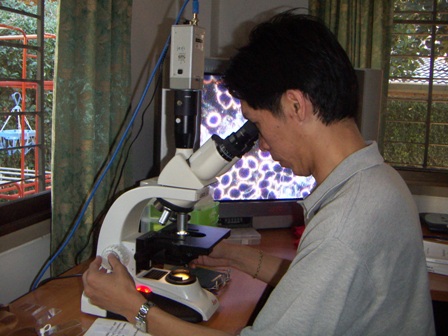
We see here: Ms. Nakamon from Bangkok and Ms. Yuki from Tokyo.

More information:
http://www.dreddyclinic.com/education/live_blood_3days.htm

Tuesday, August 07, 2007

Selzentry Approved for HIV

(HealthDay News) -- Pfizer's Selzentry (maraviroc), an oral medication to treat the virus that causes AIDS, has been approved by the U.S. Food and Drug Administration, the company said Monday.

The drug is designed to block viral entry into disease-fighting white blood cells. This reduces viral load and increases T-cell counts in people who are already being treated for certain strains of HIV, the company said in a statement.

Selzentry, Pfizer said, is the first in a new class of oral HIV medicines in more than 10 years. So-called CCR5 antagonists are designed to stop the virus outside the surface of cells before it enters, rather than fighting the virus inside as do other oral HIV medicines.

The drug was granted accelerated approval, a process designed for medicines that appear to provide a significant therapeutic benefit over existing drugs for serious or life-threatening diseases.

Pfizer said it would provide longer-term data required for the FDA to consider traditional approval.

The drug is expected on store shelves by mid-September, the company said.

More information
To learn more about HIV/AIDS, visit the U.S. Centers for Disease Control and Prevention.

Tuesday, July 03, 2007

Molecule Signals Heart Disease in Early Stages

(HealthDay News) -- A molecule that could be a powerful new marker for heart disease and stroke has passed its first real-world test, researchers report.

In an eight-year study, high blood levels of myeloperoxidase (MPO) were closely associated with the early development of heart disease, and its predictive abilities were independent of classic risk factors such as high cholesterol, high blood pressure and diabetes. The finding is detailed in the July 10 issue of the Journal of the American College of Cardiology.

"This is the first time this particular marker has been looked at in an apparently healthy population," said Dr. Stanley L. Hazen, head of the section of preventive cardiology and cardiac rehabilitation at the Cleveland Clinic. His group has been working on MPO for more than a decade.

Hazen has filed for patents on MPO as a biomarker for cardiovascular disease. MPO tests now are available commercially and "at least five pharmaceutical companies are working to develop inhibitors of MPO," Hazen said.

MPO is a protein secreted by white blood cells. It signals inflammation and releases a bleach-like substance that damages the cardiovascular system. "Over a decade ago, our group showed that it is involved in tissue damage," Hazen said. "There are very large research and genetic studies that link MPO to the development of heart disease."

The new report describes use of MPO levels as a screening tool in a healthy population living in Norfolk, England. MPO readings were taken from thousands of residents at the start of the study. Eight years later, the researchers compared those readings in the 1,138 people who had developed coronary artery disease and 2,237 people, matched for age and sex, who had not.

The incidence of heart disease was 49 percent higher in people ranked among the top 25 percent of MPO levels, compared to those in the lowest quarter. Their risk was 36 percent higher when traditional risk factors including cholesterol levels, high blood pressure, smoking and diabetes were taken into account.

"Even if your other biomarkers were normal, if MPO levels were high, you were at higher risk," Hazen said. "The magnitude of the risk is roughly comparable to the risk of elevated LDL cholesterol."

LDL cholesterol collects in fatty plaques that eventually block arteries. It is a major target of medications aimed at reducing risk of heart attack and stroke, most notably statins.

The first commercially available test for MPO levels was approved by the U.S. Food and Drug Administration a year ago, Hazen said. "Its first intended use is for evaluating people with a history of chest pain, people who go to the emergency room or cardiologist," he said. His hope is that it eventually will become a standard screening tool.

"We believe it is potentially of utility for people who you don't know may be at risk," he said.
A high MPO reading now indicates that the physician should concentrate on reducing known risk factors, but MPO itself could eventually become a target of drug treatment, he said.

"One fascinating aspect of this study is that this marker of inflammation precedes by nearly a decade the development of clinical coronary disease," Dr. Christopher Cannon, an associate professor of medicine at Harvard Medical School, said in a statement. "This suggests MPO could be used to catch the disease in a very early stage and help in true prevention of coronary artery disease."

MPO might also be a marker for unstable plaque, deposits that can erupt to emit artery-blocking fragments, Cannon added. "More study is needed, but among hundreds of markers tested to date, MPO looks like a keeper that will one day become part of clinical care," he said.

More information
The known risk factors for cardiovascular disease are described by the American Heart Association.

Monday, February 05, 2007

Aplastic Anemia: A Rare Disease With a Better Prognosis

(HealthDay News) -- Aplastic anemia, a disease of the bone marrow, is a rare disorder in the United States. Only three of every 1 million Americans will be diagnosed with the condition this year, the National Marrow Donor Program reports.

Despite that rarity, this once-fatal disease has become far more treatable as physicians have honed in on practices that can prolong life and ease suffering.

And the effects of that research extend far beyond sufferers of aplastic anemia or other related bone marrow diseases. Insights gained from these diseases are also helping scientists learn about more prevalent health problems, such as heart disease or leukemia, researchers say.

Aplastic anemia occurs when bone marrow stops producing enough blood cells, said Katherine Baer, a patient information specialist for the Aplastic Anemia and MDS International Foundation Inc. Only about 1,000 new cases appear each year in the United States.

A related blood disorder, myelodysplastic syndromes, or MDS, occurs when the bone marrow begins producing poorly functioning or immature blood cells. About 20,000 to 30,000 new cases occur each year.

Doctors still aren't certain exactly what causes the diseases' onset, Baer said.

"They do think it can be caused; there are some toxins that may cause it, like benzene," Baer said. "But at least half the cases are of unknown cause." She added that radiation treatments for other diseases are another suspected cause.

The effects of aplastic anemia and MDS vary, depending on the type of blood cells lacking in the body, Baer said.

Red blood cells carry oxygen, and a shortage of those will cause fatigue and shortness of breath. White blood cells fight infection, so when the body lacks those cells, it is more likely to catch infectious diseases. Platelets cause clotting, and without those, people experience nosebleeds, bleeding gums and extended bleeding from cuts.

These diseases used to be killers, fatal within a year, said Dr. Richard Stone, clinical director of the Adult Leukemia Program at Harvard University's Dana-Farber Cancer Institute and an associate professor at Harvard Medical School.

"Now, people can be expected to live a long time in many cases," Stone said. "It's devastating if untreated but quite approachable if treated."

Baer and Stone said that while no breakthrough treatments have been developed, the available therapies are at the point where people can live with the disorders.

Most people with aplastic anemia will require multiple blood transfusions, which relieve symptoms by providing blood cells that the bone marrow isn't producing, Baer said. Symptoms also can be managed with immunosuppressive drugs similar to those used in AIDS treatment. The drugs suppress the activity of immune cells that are damaging bone marrow, helping the marrow recover and generate new blood cells, she said.

Antibiotics can be used to effectively fight off infections that take advantage of the disorder. And for a longer-term therapy -- or for people with severe aplastic anemia -- bone marrow transplantation is an option, but a limited one due to the difficulty involved in finding a matching donor.

Experimental treatments now being tested include growth factor drugs that may help stimulate the bone marrow to produce new blood cells; male hormones that also might boost blood cell production; and peripheral stem cell transplants. In that procedure, stem cells are taken from the blood of a donor, rather than from their own bone marrow, and transplanted into the patient, according to the Mayo Clinic.

"Twenty, 30 years ago, it [aplastic anemia] was fatal," Baer said. "Now, between the different treatments, 70 to 90 percent can live a long life. You have to continue to monitor your blood counts, and you are on some medication long-term."

Since these diseases involve damage to stem cells, research in this area could provide much insight into the potential of stem cells for treating other types of diseases. Stem cells have attracted much research focus due to their potential regenerative powers and ability to transform themselves into a host of different cells.

Bone marrow stem cells are the most primitive cells in the marrow, and from them, all the various types of blood cells are descended. Research also has shown that stem cells from bone marrow can give rise to non-marrow cells, which has led to federal funding to look into their usefulness in treating heart disease.

"It's very important to understand as much as possible about the bone marrow stem cell," Stone said. "What keeps it going, what causes it to become malignant? The more we understand about those things, the more we'll know about potential uses of stem cells."

More information
To learn more, visit the Aplastic Anemia and MDS International Foundation Inc.
and: http://www.dreddyclinic.com/findinformation/aa/anemiaaplastic.htm

Monday, January 22, 2007

pH Miracles of Type I and Type II Diabetes

Let's begin making a difference in our Nations health, especially diabetes the 3rd leading cause of death in the US and the number 1 leading cause of death in children. The Centers for Disease and Control just announced that 21 percent of American adults were obese in 2001, up almost 6 percent form the year before.

The rising rate of obesity corresponds with an increase in the prevalence of diabetes, which afflicts one in 12 adults, an increase of 8 percent in 2001. In the United States, 16 million patients have the disorder -- 10 million diagnosed and 6 million undiagnosed. These numbers are expected to double during the next 25 years. I believe they will more than quadruple due to the increase intake amounts of acidifying carbohydrate diets and acidic lifestyle choices.

The huge increase in diabetes reflects an enormous rise in Type 2 diabetes due to increased aging, obesity, poor nutrition, coupled with high emotional stress and physical inactivity. Once again, all of these challenges are a reflection of an over-acidic lifestyle and diet! Diabetes is the oldest disease known to humankind, dating back to the hieroglyphics depicting a person wasting their muscle mass into their urine.

Diabetes has become an epidemic, yet the disease and insulin metabolism are not fully understood by current savants. My hope is to change the world's awareness and understanding of diabetes with further light and knowledge of the "New Biology: and the pH Miracles of Type I and Type II Diabetes.

There are several misunderstandings of diabetes that exist; they include the following but are not limited to:
1) Current medical science suggests that obesity is a cause of diabetes or leads to Type II diabetes -- True or False? the answer is false. Obesity is a result of increased complex carbohydrate or simple sugar ingestion and the fermentation of carbohydrates and simple sugars that leads to excess acidity. The body deals with the increase of gastrointestinal and metabolic acids by holding on to fat to store and protect the body from these debilitating acids. Therefore obesity is a symptom of metabolic acids and is protecting the body from excess acids that are not eliminated through normal elimination.

2) Current medical savants perceive that Type I diabetes is the result of an autoimmune response or virus leading to an attack on the insulin-producing beta cells in the Islets of Langerhans -- True or False? The answer is false. There is no attack on the insulin-producing beta cells and there is NO virus! When we increase the sugars in our diet we increase the need for insulin and at the same time increase stress on the insulin-producing beta cells. This increased stress causes the beta cells to breakdown or age prematurely. When any cell is broken or begins to disorganize it are the white blood cells that clear out the cellular debris. This so-called autoimmune response is nothing more than the white blood cells clearing out the garbage or broken-down beta cells from overstressed acidic lifestyles and diets!

3) Current medical science believes that insulin is needed to regulate blood sugar levels in the body -- True or False? The answer is false. In the 1950's, scientists incorrectly coined the term "insulin dependent" to mean that muscle and fat required insulin to take up glucose. However, glucose is transported into the cells with or without insulin. There are enough glucose transporters in all cell membranes to guarantee adequate glucose uptake to have a cell's respiration requirements work, even WITHOUT INSULIN! It has been shown that adipocytes can uptake glucose without insulin through stimulation of glucose transporters.

4) Current medical science suggests that physical (over-exercise) or emotional stress results in an increase of insulin and the release of the hormone epinephrine which lowers blood glucose levels rapidly -- True or False? The answer is false. During the recovery period or with chronic stress, glucose levels increase not decrease. The reason for the increase in blood sugar is the result of sugars being released from cells that are breaking down due to over-exercise and/or emotional stress. I call this the banana effect. We all know that bananas get sweeter the older they get. The reason is simple. The cells that make up the banana release their sugars as they begin to breakdown. This is how bananas get their black spots or to turn to black.

It is the result of the banana rotting or turning into sugar. As human cells begin to breakdown or turn into sugar due to over-exercise or emotional stress and as their cellular sugars are released, the insulin-producing beta cells kick in to release the hormone insulin to lower blood sugars back to normal or to balance. If one continues to do physical or emotional stress this will lead to hyperinsulinemia, insulin resistance or Syndrome X and eventual diabetes or even pancreatic cancer. The biphasic effects of insulin and epinephrine on blood sugar control are significant factors if we are to understand the cause of Type I and Type II diabetes.

Hyperinsulinemia is the biphasic glucose response to epinephrine, first low glucose levels and then hyper-glucose surges and insulin resistance. Therefore, emotional and perceptual sensations regulate the body's insulin sensitivity or insulin resistance. The limbic system, especially the hippocampus that controls memory, sense of safety, survival instincts, eating and appetite drives and learning, also contains high densities of insulin receptors and is the main system that controls glucose and insulin homeostasis.

5) Current medical science suggests the common treatment of insulin resistance or Type II diabetes is to use insulin injections -- True or False?

The answer is false! Type I and Type II diabetes is a symptom of excess acidity due to physical and emotional stressors that causes imbalances in the limbic system that leads to insulin dysregulation. Either there is too little insulin being secreted from the beta cells of the pancreas as found in Type I diabetes and, occasionally, in advanced Type II diabetes, or the insulin receptors have lost their sensitivity, leading to a buildup of both insulin and glucose in the bloodstream. In an attempt to compensate for this insulin resistance, the pancreas secretes more insulin into the bloodstream to try to force the issue by swamping the insulin receptors.

While this strategy may help somewhat to reduce glucose levels in the bloodstream, it also leads to an overload of insulin, which, in the long term only exacerbates insulin resistance and the onset of diabetes. Insulin sensitivity which is the effective utilization of insulin and insulin resistance which is the ineffective utilization of insulin represents a dynamic polarity we all have to deal with throughout our lives.

Our very health and longevity depends to a great extent on how well our body deals with physical and emotional stressors, acid and alkaline balance and the regulation of the release of hormones, especially insulin. Women who consume large amounts of refined carbohydrates and sugar during pregnancy will often induce insulin resistance in their newborn.

This could be a major contributing factor in the increasingly early onset of type I diabetes in children. Insulin resistance brought on through an inverted way of living, eating and thinking occurs primarily in the liver, muscles and fat cells, and which is exacerbated by caffeine and chocolate, as well as excess sugar and carbohydrates.

This leads to elevated levels of circulating sugar from disorganizing body cells and diet and increased insulin in response to increased sugar which then leads to the following symptomologies:
1) Premature aging
2) High Blood Pressure
3) Elevated triglycerides
4) Atherosclerosis
5) Congestive heart failure
6) Inhibition of the release of glycogen from the liver
7) Development of osteoporosis
8) Reduction of DHEA levels
9) Acceleration of the process of glycated, leading to inflammation and tissue damage
10) Development of malignancies
11) Inhibition of the burning of fat I consider two of the most important factors for health and longevity or to reverse the aging process, to be blood pH and insulin levels.

In order to determine these two factors I suggest a urine and glucose tolerance test following a fast of a minimum of eight hours. After taking a fasting blood glucose reading and a fasting pH urine reading, the client is given a 12 ounce glass of distilled water mixed with approximately 40 grams of pure sugar and 1 gram of potassium.

Thirty minutes after the ingestion of the glucose water, a second urine and blood glucose reading is taken, followed by third and fourth readings at additional 45 and 20 minute intervals. While our primary purpose in taking these readings is to determine the relative acidity or alkalinity of the blood and urine, they also have a great deal of significance in identifying dysglycemia, insulin resistance and acid and alkaline balance.

An ideal blood sugar curve might look as follows: Fasting 80 +30 minutes 130 +45 minutes 110 +20 minutes 100 An ideal urine pH curve might look as follows: Fasting 6.8 to 7.2 +30 minutes 5.6 to 5.8 +45 minutes 6. 0 to 6.4 +20 minutes 6.6 to 6.8 The following is a severely diabetic reading: Fasting 140/5.8 pH +30 minutes 275/5.6 pH +45 minutes 285/5.5 pH +20 minutes 300/5.4 to 5.2 pH The following blood and urine pH curve may or may not indicate full-blown diabetes, but certainly it suggest a seriously dysglceimic condition that will almost inevitably evolve into diabetes. Fasting 80/6.5 pH +30 minutes 205/5.8 pH +45 minutes 200/6.0 pH +20 minutes 190/6.2 pH The normal fasting glucose in the above example means the patient has good beta cell and acid buffering activity, and is producing adequate insulin.

However, lack of insulin metabolism occurs when confronted with glucose and excess acidic challenges. This has to be addressed by eliminating all carbohydrate foods, such as potatoes, grains, sweet fruits, sweet vegetables and fruit juices. This includes all sugar and refined carbohydrates which have to be completely avoided to maintain pH and insulin balance.

The foods that must be included to bring homeostasis and glucose and alkaline balance are all the green vegetables and green drinks, including SuperGreens, Prime pH and Biolight, all the good fats from olive, flax, borage, primrose, etc.(Marine Borage Oil) and finally good plant proteins from sprouted grains and legumes such as wheat, barley and soy sprouts (Super Soy Sprouts). On February 1st, 2003, the InnerLight Foundation will be conducting a 12 week study on Type I and Type II diabetes. We are looking for 12 Type I diabetics and 12 Type II diabetics to particpate in our controlled study.

We are also looking for donations to conduct this controlled study. We also have Miami University who is interested in doing a study on the benefits of SuperGreens and Prime pH and diabetes. We need $100,000 in tax deductible donations to conduct both of these studies. If you are interested in participating in the diabetic study or making a tax-deductible donation to the InnerLight Foundation please contact Ryan or Ashley Thayne at 801-756-8340. Thanking you in advance for your support and donations.
In love and InnerLight,
Dr. Robert and Shelley Young

Sunday, January 21, 2007

After 25 years of research studying the affects lifestyle and diet on the pH of the blood

After 25 years of research studying the affects lifestyle and diet on the pH of the blood, I have learned that the human organism is alkaline by design and acidic in all of its functions. If one can maintain the delicate alkaline pH of all the body fluids bathing every cell from within and from without at 7.365 then life will continue without pain, suffering, sickness or disease.

Louis Pasteur's germ theory has become a curse. Antoine BeChamp an adversary to Pasteur and his germ theory for scientific fraud said this about the germ theory, "there is nothing so false that does not contain some element of truth, and so it is with the germ theory."

The germ theory is the controlling medical idea for the world. In Pasteur's day, and ever since, other proposed theories about the cause of disease have fallen on death ear because they have tended to contradict that paradigm. NO matter how simple and logical an idea about the cause of disease, if it does not promote the concept of invasion of germs and their specific cures it does not fit into the medical paradigm.

More importantly, the germ theory has become a curse because it has encouraged individuals to give up responsibility for their own health over to the medical community. If germs cause disease it stands to reason that control belongs to the medical community whose tireless researchers spend trillions of our money to find the right pill or potion to annihilate disease-causing germs.

This quest to cure disease through medication is at the heart of modern allopathic medicine and the multi-trillion dollar pharmaceutical industry. It is a quest that persists despite evidence indicating that airborne germs do not cause the disease for which they are credited.

After more than a century of trying, the Pasteurian germ theory has utterly failed in the quest to a cure for any disease. All major degenerative diseases are on the increase, as are so called infectious diseases which are not infectious at all. Every year, old symptoms are given new names - names like MS for polio, AIDS for poor sanitation, poor nutrition, poor lifestyle choices and drug use, Epstein-Barr virus for connective tissue disorders like fibramyalgia - to make them appear to be the work of a new germ. Unless we turn this nonsense around, the human race could become extinct like the dinosaurs from the treatments of modern medicine to kill a non- threatening or phantom germ.

If we want to find the cure for disease we need only to look at our dietary and lifestyle choices. If you heed the ignored, even rejected discoveries of Pasteur's peers and scientists of the 19th and 20th century, adding those to my own discoveries, you will learn the true cause of disease.
Until the medical community starts looking at causes rather than devoting its time looking for cures, and until we start taking responsibility for our own lifestyle and dietary choices, I believe the human race is in trouble of becoming extinct.

Dr. Benjamin Rush, Physician and signer of the Declaration of Independence, 1776 said this: "Unless we put medical freedom into the Constitution, the time will come when medicine will organize itself into an undercover dictatorship, To restrict the art of healing to one class of men and deny equal privileges to others will constitute the bastille of medical science. All such laws are un-American and despotic."

Where does life begin? In the womb or the grail, the holy grail, in the amniotic fluid, in a 98.6 F, one percent water and salt solution or 1 part salt to 100 parts water. This solution is called the sol. This natural salt solution, called "sol" is from the origin of the word, directly connected to the word "soul". What we call "sol" for our salt solution (a solution of two in one- no more polarity), was believed by the ancient Celtics to represent our soul, as the soul originated, in their belief, from the ocean where we are all born from the same fluids, arising from the same "sol" a solution of salt and water.

Our body in its wholeness is an ingenious creation of nature, It has been given all mechanisms to not only sustain its life but also to create new life. Every healthy person has innate regulatory mechanisms to maintain its alkaline design and self-healing powers, which ensure or reestablish the natural balance of the bodily functions, the homeostasis.

It is not the doctor that heals us, nor the medication, but our own innate alkaline regulatory mechanisms. Our body is able to fully regenerate itself. Therefore, it is advised to use great discernment before labeling any disease as "incurable" or "untreatable." If doctors come to the conclusion that a disease in incurable, they would be more accurate in saying that with their knowledge and experience, they are not able to offer any further help. The word "incurable" conveys fear, or false evidence appearing real, which stifles and weakens our body's innate alkaline mechanism.

Bio-chemically speaking Health is all about alkaline balance. Bio-energetically speaking Health is all about energy. Vibrating energy is the origin of matter and the origin of life. And matter is nothing more than organized energy.

In 1984, the Swiss physicist Dr. Carlos Rubbia, received the Nobel prize for discovering a mathematically calculable natural constant with which he could calculate the ratio of mass particles (matter) in relation to navigating energy particles, The ratio of matter to energy that forms matter is 1 to 9,746 to the power of 108 or about 1 to 1,000,000,000 which means it takes one billion energy units to create one single unit of matter in a materialized tangible form.

Isn't interesting that we for the most part, preoccupy ourselves with only 1 billionth part of reality: that which is in a material form and can be seen and touched. We fail to see the far greater amount of energy particles it took to materialize our reality. This revolutionary scientific discovery shows us clearly that every form of matter is subject to higher energetic interactions and subject to change of form and function.

When we analyze the energy content of any form of matter, we arrive at its smallest part, the atom and its protons, electrons and neutrons. There is ongoing movement without any contact- nothing tangible, just pure vibrating energy. This vibrating energy creates a frequency, which can be measured, a so-called wave length which can be seen using my photon interference photography. Every form of matter is characterized as a specific frequency spectrum.

And each frequency spectrum can be measured using a decibel meter. All organized matter is nothing more than organized energy that gives off a specific frequency and a specific sound which can be measured and heard. When we turn on a light or an electrical device we can see the energy but we cannot perceive the electrical current itself, but we except its existence.

This same materially non-perceivable electricity, this energy, flows through our body fluids especially our blood. Every one of us has enough measurable electrical cu rrent flowing through us to light up a 100 watt light bulb.

Life/light = energy and energy = information or intelligence. Everything that exists not only exists as energy but also as a carrier of information or intelligence, whether it is a human being, a form of food or drink, or a rock. Life is a constant exchange of energy and intelligence and the best place to view this life energy is in the live and dried blood.

Plasma which is 92% water is a good example for showing how matter as energy is transformed when additional energy is added or subtracted. Water has three different distinct bodies or states: solid, liquid and gaseous. Ice is frozen water or like the thickening of the blood.

We can see it and feel its coolness. By adding energy in the form of heat to the ice it transforms back into a liquid. When we add more energy to the water it begins to boil and the molecules start moving faster and faster that they begin to transform into steam and become gaseous. This transformation of organized energy as matter from one form to another is know as biological or energetical transformation or also referred to as pleomorphism.

Energy and intelligence are identical.
Every form of energy has a specific wavelength
Every wavelength has its individual content of intelligence
There are no accidents in the order of Nature

Meanwhile, we know of about 40,000 different diseases and the list is growing that are treated by the 1,200 different allopathic specialty fields with 58,000 different kinds of allopathic preparations or medicines. However, the word diseases in the plural form, is not a accurate.

Have you ever heard of "healths"? We are either healthy or ill. This illness signals a lack of energy and shows up in the form of a symptom. To represent a symptom as an illness is technically and scientifically inaccurate. The symptom is merely the intelligent cry of the energetically defective and suffering body, crying out for help. And normally, the body turns to a weakened organ to give us a hint, through a symptom, that things are not in order.

Our bodies either hum or honk Upset stomachs or high blood pressure or high blood sugars is the body honking. The honks of our bodies are telling us there is a state of pH or energetic imbalance.

Why does pH balance or pH Homeostasis define good health?
pH balance or pH homeostasis in humans commonly refers to the internal balance of the body's electro-magnetic and chemical systems in response to the changing conditions of the external world and the changing conditions of the internal world.

The word homeostasis comes from the Greek words: "homeo" means similar or "alki" or "alkaline" and "stasis" means a tendency toward maintaining stability. There are many homoeostatic mechanisms in our bodies that help maintain this balance and our state of health is directly related to the health of these mechanisms. pH homeostasis is maintained by dynamic processes of feedback and regulation.

pH homeostasis has only one objective: to preserve the beneficial conditions of life in the internal alkali environment. Every day we are bombarded with external influences that threaten that balanced internal alkaline pH environment. Some of these threats include becoming too hot or too cold, eating too much or eating acidic foods or drinks, breat hing polluted air and being exposed to chemicals over a period of time.

Our cells, especially the red blood cells can only survive when our bodies are strong enough to maintain pH homeostasis or to regain it quickly after we have been exposed to toxic environmental threats. Some of the pH homoeostatic mechanisms in the body include temperature regulation, dilation of the eye, blood composition, heart rate, blood pressure, water content, blood sugar level, mineral relationships, and of course the acid/alkaline balance of our body fluids. An essential feature of these mechanisms is that they enable the red blood cells, the tissue which is a product of the red blood cells and the whole of the organism, also a product of blood, to adapt to changes in both internal and external environmental conditions.

If the pH homoeostatic mechanisms are impaired the body loses its ability to regulate these mechanisms. By looking at living blood using a compound microscope we can view the quality of the red blood cell, its environment and how well the body is manag ing these pH homoeostatic mechanisms.

The interdependence and close coordination of the many bodily functions, which work so well when we are in alkaline balance or health, may be upset by a chain reaction when any part of the system breaks down from metabolic acids which have not been properly eliminated through, respiration, perspiration or urination. If this chain reaction is too drastic, the red blood cells and body cells will become acidic and begin to biologically transform into other cellular forms - like bacteria or yeast.

The normal state of health is not a static condition, but a coordination response of many systems and mechanisms. Fluctuations occur within a very narrow pH range. An imbalance of a point or two on the acid/alkaline pH scale is extremely disruptive to health. A few percentiles of variation of oxygen concentration in the blood can impair function.

In the bloodstream, the slightest changes can be observed in the structures of the red and white blood cells, the level of cellular debris, the creation of cholesterol or calcium crystals, etc. If the blood sugar content is continually elevated due to body cell transformation or breakdown, the body chemistry becomes upset. An infinitesimal deficiency of sodium, calcium, potassium or magnesium, the alkaline buffers of the body can cause a problem in the function of many body parts.

We must keep our pH homoeostatic mechanism strong so that we can deal effectively with our world. If we are humming and the process of pH homeostasis is orderly, life continues; if we are honking and the pH homeostasis is continually being disrupted, our health is in jeopardy.
pH Homeostasis is a bit like balancing the books in accounting. It is maintained by balancing inputs with outputs.

How well we adapt in health and sickness is largely a function of the pH homoeostatic mechanism. The body's chemistry response to such subtle changes that a negative thought, an acidic food or drink, or eating too much food can be a problem for maintaining balance.
In 1988 an article of the New England Journal of Medicine stated that, "most major chronic disease probably results from the accumulation of environmental factors over time in genetically susceptible people."

In 1965, Rene Dubos, a medical historian and philosopher, pointed out that the body is imperfect in its attempts to adapt and maintain pH homeostasis. She said, "the mechanisms involved in regulating homeostasis don not always return the body's functions to their original state. They can be misdirected. The body only has the ability to adapt to insults for so long. When it can no longer adapt , degeneration sets in. Health is the state that the body attains when an individual responds adaptively and restores the body to its original integrity."
The term "homeostasis" was coined in the mid-1920's by the American physiologist, Walter B. Cannon. But he was building on a concept of balance that dated back to ancient Western, Eastern, and Middle Eastern civilizations.

The balance equals good health equation was first suggested by Hippocrates (460-375 BC) and the ancient Greeks. Hippocrates considered health to be a state of harmonious balance and disease a state of disharmony. He and his contemporaries believed that harmony and balance existed between organs, between bodily fluids, and between body and soul. When the body is out of harmony and balance, illness occurs.

Hippocrates studied the entire patient in his or her environment, noting the effects of climate, food, and occupation on health. "Our natures are the physicians of our diseases, " he said, describing the healing forces we all have within us as the healing power of Nature. It was the physician's objective to restore harmony with food, exercise, rest, and with medicinal remedies designed to remove the harmful acidic excesses. This conservative approach was designed to let nature do the healing and above all, as Hippocrates said, "to first do no harm."

The Greeks ideas on equilibrium and health evolved further under the philosopher Aristotle (384-322 BC). He felt that a healthy body worked through what he described as a hemostat, a device that returns the body to a state of equilibrium even when it is subjected to stimuli that disturbs this balance. Everything is tied to this state of equilibrium, including the psyche and emotions, and nothing could be regarded as a separate component.

To lead a healthy life, the condition of balance had to be maintained, This could only be achieved if the body had an adequate feedback system, a means by which signals were transmitted to different parts of the body to help move it back into balance when it moved too far off alkaline center.

This psychological viewpoint was shared by another philosopher, Epicurus (341-270 BC). In his writing he referred to psychological stress and suggested that an individual's quality of life could be improved by coping with what we would now describe as emotional stressors.

As early as about 120 AD in India, Eastern philosophers had reached similar ideas about the importance of balance in health. A general medical textbook from that time, the Caraks, described health as a balance of bodily elements know as dhatus, and a happy mental state called prasana.

The Middle Eastern approach incorporated the Hindu teachings with the Greco-Roman medical doctrine. Being base upon both religious and philosophical ideas, Islamic healing involved both body and soul.

Over 1000 years later, during the Middle Ages in Europe, good health was still linked to this notion of balanced physical, emotional, and spiritual state. To help people achieve this state, European hospitals were set up by religious orders and attached to abbeys, monasteries, and convents. Doctors prescribed diet, rest, sleep, exercise, and salt baths.

In 1600 Thomas Sydenham had begun classifying diseases, even though he believed disease was a result of imbalance, consistent with Hippocrates and Galen.
In 1628 Harvey traced the circulation of the blood, arguably perhaps the single greatest achievement in medicine.

In 1753 James Lind showed that Scurvy could be reversed with the limes that contain limonene - an antitoxic or antacid.

Doctors began to lose their way in 1796. In 1796 Benjamin Rush observed that all fevers were associated with flushed skin, he concluded that this was caused by distended capillaries and reasoned that the proximate cause of fever must be abnormal "convulsive action" in these vessels. He took this a step further and conclude that all fevers resulted from disturbances of capillaries and since the capillaries were part of the circulatory system, he concluded that a hypertension of the entire circulatory system was involved.

Rush proposed to reduce this convulsive action by "depletion" or bleeding. A reminder that the medical establishment's acceptance of bleeding exists today in the name of the British Journal "The Lancet" one of the leading medical journals in the world. Today bleeding is called phlebotomy.

Also, In 1796 Edward Jenner took the pus from the runny sores of sick cows and injected it into the blood of his "patients. He thought that since pus is seen routinely in all kinds of wounds, pus was seen as a necessary part of healing.

In 1788 vaccinia was the bacteria that medical science suggested caused cowpox.
In 1830 the development of the first modern day achromatic microscope.

In 1835, Harvard's Jacob Bigelow argued in a major address that in "the unbiased opinion of most medical men of sound judgement and long experience . . . the amount of death and disaster in the world would be less, if all disease were left to itself."

In 1840 Jacob Henle in his essay, "On Miasmata and Contagia" first formulated the modern germ theory. He suggested that disease seem to germinate, grow and spread - like a first point or origin, a seed, a bacterium. The germ theory said that minute living organism invade the body, multiply and cause disease and that a specific germ causes a specific disease.

In 1850 Samule Thomson said, " May the time soon come when men and women will become their own priest, physicians and lawyers - when self-government, equal rights and moral philosophy will take the place of all popular crafts of every description . . False theory and hypothesis constitute nearly the whole art of medicine."

In 1860 Louis Pasteur suggested that living organisms, not a chemical chain reaction caused fermentation, winning converts to the germ theory.

In 1881 an American scientist George Sternberg was the first to isolate the fungus, pneumococcus and the first to observe the white blood cells engulfing bacteria, a key to understanding the immune system.

In 1882 a German, Robert Koch isolated the tubercle bacillus and declared it as the bacterium that caused tuberculosis that further confirmed the germ theory of Pasteur.

In 1884, German scientist Friedrich Loeffler isolated the diphtheria bacillus from throats of patients, grew it on a special medium (labs today call this Loeffler's serum slope to grow the bacteria from suspected cases), and began carful experiments in animals that took several years. His work suggested that the bacteria themselves did not kill; the danger came from a toxin, diptherium, an acidic poison that the bacteria excreted as a waste product from sugar metabolism.

In 1885 Max von Pettenkofer insisted that Koch's bacteria were only one of many factors in the causation of disease. His dispute with Koch became increasingly bitter and passionate. Petterkofer determined to prove himself right, prepared test tubes thick with lethal cholera bacteria. Then he and several of his students drank them down. All survived. Petterkofer claimed victory that germs do not cause disease.

In 1889 Pasteur's proteges, Emile Roux and Alexandre Yersin grew broth thick with diphtheria bacteria and used compressed air to force broth through a filter of unglazed porcelain. The filter was designed by Charles Chamber land, a physicist working with Pasteur; though only a tool, the filter itself would prove to be immensely important. NO bacteria or solids could pass through the porcelain. Only liquid could. They then sterilized this liquid. It still killed. That proved that bacteria, an insoluble could not kill, but a soluble, an acidic toxin did the KILLING.

The cure from diphtheria was not in killing the bacteria but neutralizing the acids or excretions from the bacteria.

In 1900 Frederick Gates and intellect and Baptist Minister and an assistant to John D. Rockefeller, saw an opportunity to exploit the medical field because of its admitted uncertainty and ignorance of the time. He had organized many business ventures for the Rockfellers' and convinced John D Rockefeller to open the Rockefeller Institute for Medical Research. The Rockefeller Institute saw medicine itself as its field from its earliest existence scientists studying disease based upon the germ theory of Pasteur.

In 1901, William Henry Welch was hired by John D. Rockefeller to set up the Rockefeller Institute for Medical Research. William Henry Welch was steeped in the germ theory and established its strong hold on the medical model. You might call Dr. Welch the Father of American Medicine and the perpetrator of the Pasteurian Germ Theory.

After the civil war medicine had discovered drugs - such as quinine, digitalis and opium of which Oliver Wendell Homes the physician Father of the Supreme Court justice said, "I firmly believe that if the whole materia medica, as now used, could be sunk to the bottom fo the sea, it would be all the better for mankind - and all the worse for the fishes."

In 1911, the head of the school training French army doctors in public health said that germs alone were "powerless to create an epidemic." But it was too late, this particular view was now considered simply a minority opinion. The germ theory now had its hold on the governments of the world!

IN 1911, the medical establishments made up a story that Peyton Rous discovered a bacteria that caused cancer and received a Noble Prize for his discovery posthumous in 1966. This gave rise to the term virus named after Peyton Rous's bacteria. Peyton Rous never suggested this in any of his research that his bacteria caused disease let alone cancer. This story gave rise to a new group of bacteria called filterable bacteria that the medical community now refers to as virus - beginning 1996. There is NO scientific evidence that shows that virus's have ever caused ANY disease.

These ideas of balance were some distance from those of earlier societies that ascribed illness to the supernatural powers they believed governed their lives. The Babylonians, the Egyptians, the ancient Americans saw disease as an entity unto itself, a potent demon that struggled to dominate, attacked, penetrated, and possibly even killed its unfortunate host.
Offend the Gods, an ancestor, or an evil witch and be struck down as punishment. Lead a sinful life and you were tempting fate.

Of course, we perceive that these ideas about disease are no longer widely believed, which makes it all more the ironic that Pasteur's germ theory has had and still has a stranglehold on 19th, 20th and now 21st century medicine. As medical writer Alberto Seguin described in an article entitled, "The Concept of Disease," the demonic idea of disease reached its full height with the germ theory. It became possible to bring together rational and scientific thought with irrational tendency to personalize disease. The germ in what ever name it is called, West Nile Virus, Ebola, Hunta, HIV, Anthrax, SARS and now AVIAN, are the scientific demon, the curse, the lie and the fraud that is said to attack and kill!

If we will consider disease as a symptom of disease not the cause, then the germ is nothing more than an expression of imbalance and a biological transformation of what use to be organized to that which is changing into a new form. This was my discovery in 1994. I witnessed biological transformation as seen on pg. 126 of my book "Sick and Tired" the transformation of a rod bacteria back into a red blood cell and then back into a bacterial rod.

I knew for the first time that bacteria was not a demon, not an entity but a transformation, a new formation of a preceding form. Not the cause of disease but the expression of a change in the internal environment which had given rise to change. For several years I felt alone in this discovery until I learned of the works of the giants that proceeded me that had their finger on the magic of life.

Claude Bernard (1813-1878) "The terrain is everything the germ is nothing." And upon the death bed of Louis Pasteur admitting to Claude Bernard that he was right in 1895.
Antoine BeChamp (1816-1908) "Disease is born in us and from us."

Florence Nightingale - a famous nurse (1820 -1910) Mathias Schleiden and Theodor Schwann (1839) Gunther Enderlein ((1872- 1968) Walter B. Cannon (1871-1945) "Only by understanding the wisdom of the body shall we attain the mastery of disease and pain that will enable us to relieve the burden of the people."

Royal Raymond Rife (1888-1971)
Wilhelm Reich (1897 - 1957)
Gaston Naessans (1924-2005)

Philosophically speaking, Pasteur had an ally in Napoleon III, who came to power in 1852. The Emperor believed in a police state and in using complete control to rule. Pasteur's mechanistic idea of disease, finding the right cure for each germ, fit into this philosophy of control.

Giving the responsibility to the any government to cure disease is giving up control. It takes responsibility - and power - away from the individual. In the words of Antoine BeChamp, "there is nothing so false that does not contain some element of truth and so it is with the germ theory."

One of six of us will become diabetic
One of two of us will develop cancer
One of two of us will develop cardiovascular disease One of six couples will suffer from unexplained infertility.
One of seven women in the US will develop breast cancer.

We need to get out to the disease business. If we want to understand health, energy and vitality then we need to study the people who are healthy. Over the last 25 years I have been studying health and how it relates to the blood. Viewing live and dried blood is the pinnacle of understanding health and how to achieve health with alkaline foods, drinks, exercise, breathing, getting adequate rest, etc.

Now, I pray and hope that you will realize that we are all responsible for our own health - you alone. A medical practitioner can only help to relieve symptoms. Ultimately, you are the one who has to take charge. Health is a choice just as disease is a choice. You are responsible for what goes into your mouth and what comes out of your mouth, as well as for what you think, feel and do. Health is all about choices and consequences.

The health and energy of the human organism is the knowledge that are bodies are alkaline by design and acidic by function and the best way to maintain that alkaline design is through an alkaline lifestyle and diet.

Related Courses
· Live Blood Analysis (3 days)
· Live Blood Analysis (6 days)
· Live Blood Analysis (80 hours)
· Live Blood Analysis online course (1year)
· Colon Hydrotherapy Course 45 hours (6 Days)
· Cleansing Combo Pack
· Microscope Equipment

Saturday, December 30, 2006

The immune system encompasses almost every system of the body.

The immune system encompasses almost every system of the body.

Tonsils, lymph nodes, spleen, bone marrow, intestine wall and thymus are the organs that control and produce our immune response.

The immune system is a complex network that regulates our physical and mental well-being.

Step One: Defend

When an invader attempts to enter the body, it must first cross multiple barriers such as our mucus membranes and skin. If the invader enters the body, white blood cells quickly recognize the pathogen as an invader and begin to coordinate the defense system.

Soon, other defender cells, such as killer cells, macrophages and phagocytes come to help destroy the invader. White blood cells begin to produce an antibody to defend against any future attacks. The body produces more than one billion different antibodies to combat many types of invaders.

Step Two: Attack

These invaders are then attacked and destroyed by natural killer cells. The killer cell binds to its target, aims its weapons and then delivers a lethal burst of chemicals that produces holes in the target cell's membrane. Fluids leak out and the cell bursts.

Step Three: Cleanse

Macrophages, the "garbage men" of the body, have tentacles that grab the destroyed organisms and engulf them. The function of the macrophage is to ingest any foreign particles, including aged body cells.

Step Four: Repair

Damaged areas are repaired and the normal, healthy condition of the body is restored.

Mast cells release histamine and heparin which stimulate other cells to open the blood vessels, thereby increasing circulation and allowing the process of cell and tissue regeneration.

More info at: www.eexcel.net

Saturday, November 25, 2006

The Pacelli Chiropractic & Health Potential Complex Web site states:

How often do you get to see if small changes in nutrition, really can make a difference?

Well in this case, that's how we work. After making our recommendations, we repeat the test in 2 weeks, and look to see if we see changes.

This way you get to see the changes in your blood as we help correct the problems, it also allows us to check dosages to make sure that you are getting the proper amount of the vitamin, mineral, protein, or enzyme you need to restore you to optimal health.

These claims are sheer bunkum. Dark-field microscopy is a valid scientific tool in which special lighting is used to examine specimens of cells and tissues. The objects being viewed stand out against a dark background-the opposite of what occurs during regular microscopy.

This allows the observer to see things that might not be visible with standard lighting. Connecting a television monitor to a microscope for diagnostic purposes is also a legitimate practice. However, live cell analysis is not. Although a few characteristics of blood (such as the relative size of the red cells) are observable, live cell analysts invariably misinterpret other things, such as the extent of red blood cell clumping, changes in the shape of the cells, and other artifacts that occur as the blood sample dries.

Moreover, most practitioners who perform the test are not qualified to manage the problems they purport to diagnose.

During the mid-1980s, one company marketing live-cell equipment projected that a practitioner who persuades one patient per day to embrace a supplement program based on the test would net over $60,000 per year for testing and supplement sales. Another company estimated that with five new patients a day (22 days a month) paying $30 for the test and $50 for supplements, practitioners would gross over $100,000 per year just on initial visits.

Today's most active individual promoter of live-cell analysis is probably James R. Privitera, M.D., of Covina, California, who claims that "clot malfunction" is an underlying cause of many diseases, can be diagnosed with live cell analysis, and can be treated with large doses of dietary supplements.

His book, Silent Clots, describes his "general daily guidelines [for supplements] that have worked well for many patients as an anti-clotting program." The book also describes regimens for arthritis, asthma, baldness, bladder infections, cancer, colds, colitis, cramps, diabetes, diarrhea, diverticulosis, eczema, and edema, and includes case histories of patients he treated for many other conditions [1].

I do not believe there is any scientific evidence for these claims or that these regimens are effective as Privitera claims. His's web site offers more than 150 supplement products for sale.

In 1975, Privitera was convicted of conspiring to prescribe and distribute laetrile and was sentenced to six months in prison. (Laetrile is a quack cancer remedy.) In 1980, after the appeals process ended, he served 55 days in jail but was released after being pardoned by California Governor Jerry Brown. (The pardon occurred in response to a letter-writing campaign generated by the National Health Federation, a group that espouses what it calls "health freedom.")

Then, because Privitera had been prescribing unapproved substances (including laetrile, calcium pangamate, and DMSO) for the treatment of cancer, the California Board of Medical Quality Assurance suspended his medical license for four months and placed him on ten years' probation under board supervision.

During the probationary period, Privitera was "prohibited from making any representation that he is able to cure cancer through nutrition." He was also forbidden to tell patients they had cancer unless the diagnosis was confirmed in writing by an appropriate board-certified specialist.

During the probationary period, Privitera commercialized live-cell analysis and founded two companies that marketed devices for doing it. Silent Clots mentions that in 1993, a federal judge signed an order authorizing Internal Revenue Service agents to enter his clinic premises to effect a levy and that a seizure was made.

However, the book provides no further details about his tax-related difficulty.

Critical Reports
During the mid-1980s, National Council Against Health Fraud vice president James Lowell, Ph.D., watched three practitioners demonstrate live cell analysis at health expositions.

Lowell noted:
None took precautions during the preparation of the slides to prevent the blood from drying out or clotting.

They failed to clean their microscope slides carefully between patients, which meant that dirt seen under the microscope would be misinterpreted as blood components.

Some of the patterns one practitioner saw resulted from his microscope being out of focus and disappeared when Lowell adjusted it properly. [2}

Live cell analysis is also promoted by Infinity
2, of Scottsdale, Arizona, a multilevel company whose distributors often demonstrate their wares at chiropractic conventions. Infinity2 calls the test "live cell microscopy" and recruits licensed health professionals to use the procedure to sell its products. In 1995, I was tested at a national chiropractic convention where two teams of Infinity distributors had exhibits.

One exhibitor said I had "mild B12 deficiency" and "maldigestion" that could weaken my immune system and cause fatigue. The other said my blood cells showed evidence of "liver toxicity," "bacterial infection," and "free radical damage."

In both cases the recommended "treatment" was enzyme pills, which the company was marketing with false claims that "enzyme deficiency" is widespread among Americans. To reinforce their that the pills could help me, both practitioners gave me enzyme pills, repeated the procedure several minutes later, and said that the problems were no longer visible. Unknown to them, however,

I had faked taking the pills, so the "improvements" they saw had nothing to do with them. The most likely explanation is that the specimens were examined differently. Blood dries more quickly near the edges of the slide than near the center. Thus "improvement" will occur if the first specimen is examined near an edge and the second specimen is examined near its center.

Legal Action
In 1996, the Pennsylvania Department of Laboratories informed three Pennsylvania chiropractors that Infinity2's "Nutritional Blood Analysis" could not be used for diagnostic purposes unless they maintain a laboratory that has both state and federal certification for complex testing [3].

The company's attorney replied:
As background, you should know that part of our business activity is supplying a microscope system that is equipped for the demonstration of blood samples on a video monitor. We teach and recommend the use of this system as a health education demonstration. In our training and system we do not teach, promote or address in any manner using the system for "analysis" or any other medical purpose.

Our system is based on obtaining a written nutritional and lifestyle analysis from patients of doctors using the microscopy system. Once this questionnaire and evaluation of lifestyle and nutrition is examined by the doctor, the doctor then makes specific recommendations to the patient, based solely and exclusively on the nutritional analysis and personal interview with the patient.

After any recommendation has been made for altering the patient's lifestyle or nutritional habits, the doctor may place a single drop of blood on a sample slide for viewing through the dark field microscope which is then displayed on a video monitor.

This demonstration is a powerful motivating tool to encourage a doctor's patient to accept the doctor's previously made recommendations and alter his or her lifestyle to a healthier form of living.

The doctor performing the demonstration never makes any analysis, determination or recommendation based on the video demonstration. There is no commentary given regarding the state of the patient's blood or anything seen in the bloodscreen itself other than to educate the patient by pointing out features of the blood such as red cells, white cells, and plasma. The patient is able to view a sample of his/her own blood, which results in the motivation that can lead to beneficial lifestyle changes for the individual patient [4].

A Laboratory Department official then informed the attorney that certification would be required if the practitioner:

Either prescribed a nutritional supplement or changed the amount or type of a supplement based on viewing a blood sample.

Recommended lifestyle or nutritional changes based on viewing a blood sample.
Performed nutritional microscopy more than once for a given patients.

Compared the patient's blood smear to that of another slide or picture
Showed the patient's blood smear and making any comment or providing any information other than to point out features of the blood such as red cells, white cells, and platelets [5].

Very few if any chiropractors would have reason to seek laboratory certification, and even if they did, I doubt that permission would be granted to perform this test for diagnostic purposes. If you encounter anyone who performs any type of live cell analysis, please report this to your state department of laboratories and send a copy of your notice to me at P.O. Box 1646, Allentown, PA 18105

Reference
1. Privitera J, Stang A. Silent Clots: Life's Biggest Killers. Lockstep Medicine's Conspiracy to Suppress the Test That Should Be Done in Emergency Rooms Throughout The World. Covina, Calif.: The Catacombs Press, 1996.
2. Lowell JA. Live cell analysis: High-tech hokum. Nutrition Forum 3:81-85, 1986.
3. Wlazelek A. Chiropractors cease blood cell show and tell. State restricts the use of magnified images to sell vitamins, supplements. The Morning Call, April 12, 1996, page B6.
4. Woodruff SM. Letter to Joseph W. Gasiewski, Director, Division of Laboratory Improvement, Pennsylvania Department of Health, Jan 17, 1996.
5. Gasiewski JW. Letter to Samuel M. Woodruff, General Counsel, Infinity2, Feb 16, 1996.
Chirobase

Live blood cell analysis

Live blood cell analysis is carried out by placing a drop of blood from the patient's fingertip on a microscope slide under a glass cover slip to keep it from drying out.

The slide is then viewed at high magnification with a dark-field microscope that forwards the image to a television monitor.

Both practitioner and patient can then see the blood cells, which appear as dark bodies outlined in white. The practitioner may take polaroid photographs of the television picture or may videotape the procedure for himself and/or the patient.

The results are then used as a basis for prescribing supplements. The procedure is also called live cell analysis, dark-field video analysis, nutritional blood analysis, libe blood analysis, and several other names. Most of its users are chiropractors, naturopaths, or bogus "nutrition consultants."

Related Courses
· Live Blood Analysis (3 days)
· Live Blood Analysis (6 days)
· Live Blood Analysis (80 hours)
· Live Blood Analysis online course (1year)
· Colon Hydrotherapy Course 45 hours (6 Days)
· Cleansing Combo Pack
· Microscope Equipment

Friday, October 20, 2006

CHAPTER V.: The Blood and the Third Anatomical Element by Antoine Bechamp

OF THE REAL NATURE OF THE BLOOD AT THE MOMENT OF A GENERAL BLEEDING. THE LIVING PARTS OF THE BLOOD. PROTOPLASM. THE UNCHANGEABLE CHARACTER OF MIXTURES OF PROXIMATE PRINCIPLES. THE VITELLIN MICROZYMAS AND THE BLOOD GLOBULES. THE VASCULAR SYSTEM. THE BLOOD A FLOWING TISSUE.
The blood really contains three kinds of anatomical elements: the red globules, the white globules and the microzymian molecular granulations. Anatomically, the blood is constituted by three sorts of figured elements and, by a fourth term, a liquid. Is this the serum, this liquid which is its interglobular and intergranular substance?
The three sorts of anatomical elements are living, insomuch as they are organized and contain microzymas which I have proved to be living by their function as ferments and by their capacity to become vibrioniens by individual evolution, which was a novelty for physiology and even for chemists.
Nevertheless, so far as concern the red globule, since 1846 the statement that it is alive was not a novelty. In fact, in a memoir,1 which merits the more attention that it is never quoted, J. B. Dumas made an observation which must be regarded as of the first importance. It is that to isolate the red globules in their integrity, by mixing the blood with sulphate of soda, a current of air must be introduced; without this they will change, losing their coloring matter which itself also changes. And he said: "The globules of blood act as though they were really living beings, capable of resisting the solvent action of sulphate of soda so long as they are alive, but yielding to this action so soon as they have succumbed to the asphyxiation which affects them by the deprivation of air, and which manifests itself with singular rapidity, either by their change of color or by their rapid solution." Dumas asserted clearly that the globules breathe; that account must be taken of their membrane in explaining the phenomenon of respiration; and that the breathing of an animal has especially for its object to furnish oxygen to the globules of its blood and to expel "the products into which they convert it." He also remarked that in the discussions and the calculations respecting respiration the blood had always been regarded as a homogeneous liquid, while it was only the serum which possesses this quality. He in no wise disregarded the part taken by the serum in the phenomenon of arterialization, but he insisted on the preponderant part taken in it by the red globules.
1. Dumas, "Recherches sur le sang," C. R.. Vol. XXII, p. 900 (1846).
To understand the blood, one must place oneself in the order of ideas of the memoir of Dumas, but broadened; that illustrious savant did not recognize in it, nor did any one else at that time, other anatomical elements than the globules, but there is another. He saw in the blood only three nitrogenous organic matters: albumen, fibrin and the globules, but there are others.
I will add that, in the serum, he made allowance for the share therein of the phosphates and other mineral matters.
At the moment of a general venesection the blood has been regarded as being that which it is in the vessels while it circulates in them, but as being a mixture of the arterial and venous bloods; and we have seen that at this moment the blood is so thoroughly regarded as being alive that it was regarded as certain that coagulation was its death.
The blood being alive, it is necessary to recognize, in accordance with the doctrine of Bichat, that, as in all the rest of the organism, the only things living in it are the anatomical elements, that is to say, that of the four parts which constitute it, the three kinds of anatomical elements are the only things living in it; the fourth, the serum, or that which will become the serum, the interglobular and intergranular substance, fulfilling with regard to them only one of the conditions of existence.
But as this conclusion conflicts with the prejudices of the schools, it is necessary to know what those prejudices are to combat them, for they are the negations of the doctrine of Bichat and precisely contrary to it. In fact, while it is asserted that the globules of blood, in general the anatomical elements, are only organites, neither plants, nor animals, as M. Pasteur said, that is to say, not living although organised, it was insisted that that which in the blood is still called plasma was living, a liquid whereof all the materials are said to be in a state of perfect solution, that is to say, without any anatomic, figured structure. But it is well to repeat that such was the state of science just as it was before Lavoisier and before Bichat, when the philosophical naturalist, Charles Bonnet, speaking of the organization, called it "the most excellent modification of matter." Even in France a conception more or less analogous to it, that of protoplasm, was preferred to the striking conception of Bichat. But protoplasm or its synonym, blastema, was considered to be organized living matter without structure. Here is one of the most precise descriptions of such matter: "A completely homogenous, amorphous matter without structure can be regarded as organized substance if it is constituted of numerous proximate principles, united molecule to molecule by special combination and reciprocal solution, and however simple may be this organization, it is sufficient to enable one to say that it is alive." Diet, de Med., Littre et Robin, art. Organique (1878).
Van Tieghem said: "Protoplasm is a mixture with water, of a greater or less number of different proximate principles, in the course of continual transformation."
Huxley said: "All protoplasm is similar to protein—all living matter is more or less similar to albumen."
Cauvet said: "Protoplasm is a nitrogenous liquid, more or less flowing, composed of a translucent joining substance and of fatty and albuminoid granulations."
Even Claude Bernard said: "In its simplest condition life, contrary to the idea of Aristotle, is independent of all special form; it resides in a substance defined by its composition and not by its shape; the protoplasm."
Pasteur said: "Living organisms are composed of natural substances such as life elaborates them, the proximate principles of living bodies which possess faculties of transformation which are destroyed by boiling."1
1. C. R., Vol. LXXIII. p. 302. See letter of M. Pasteur to M. Donne. M. Pasteur's manner of thinking was still that of Chevreul [born in 1786. was still alive and active in 1856]— at the time (1810) of the foundation of his chair at the Museum; Chevreul said, speaking of living bodies, that they are organic bodies in contradistinction to inorganic bodies, which we term minerals. Buffon called minerals gross matter, admitting that there was a universally diffused organic matter which he termed organic molecules, but Buffon wrote before the time of Lavoisier. Chevreul spoke of the proximate principles of organic bodies which are the products of life. Pasteur, speaking of the same proximate principles, says that they are natural substances elaborated by life, which have powers of transformation, etc. It may thus be truly said that there was no idea of life as bound to a determined, structural form of living anatomical elements, according to the conception of Bichat. It is thus to be understood how M. Pasteur could class in the same category, as organites, the red globules of the blood and grains of starch. It is true that the amylaceous granule had been regarded as being a vesicle, but Biot and Payen had shown that it was solid throughout its mass, and I have proved, in my researches upon fecula, that it had neither tegument, nor microzymas, being wholly formed of amylaceous matter contaminated with a trace of albuminoid matter. In the microzymian theory it is not life which produces or elaborates the proximate principles, but the anatomical elements are constituted into living apparatus by the microzymas, according to the same mechanism by which the fibrinous microzymas cause starch to ferment, and elaborate the numerous proximate principles which I have described as produced in that fermentation.
These quotations are sufficient. Protoplasm is regarded as a pure mixture of proximate principles, that is to say, of materials of a purely chemical order. M. Cauvet and others, M. Frey, for instance, have observed the granulations of the protoplasm, but they were supposed to be pure proximate principles. This mixture was declared by some, as in the course of continual transformation; by M. Pasteur, as endowed with faculties of transformation, but without other proof of what is precisely the point in question, viz., whether such a mixture can spontaneously change, can alter itself, give birth to any living being whatever, be it a cellule or a microzyma. If protoplasm were that which it was thought to be, the conception of Bichat would be purely chimerical.
I have incontestably demonstrated, in contradiction to the theory of protoplasm and against M. Pasteur, that every mixture, artificial or natural, of real proximate principles, with water, is, by itself, in every way unalterable, incapable of giving birth to anything living; in short, as not being in the course of continual transformation and as not possessing any faculty of transformation capable of producing in it any spontaneous alteration. And if in such a mixture, boiling destroys the "faculties of transformation" of some zymas, this latter had not been produced spontaneously, it was the product of a living organism. In short, if the mixture contains some proximate principle which can be altered by oxygenation, by absorbing oxygen from the air, this principle is itself the former product of a living organism through the reaction of a zymas.1 I have given positive proof of all of this while studying the conditions of the spontaneous coagulation of milk, which was said to be a pure mixture of proximate principles. Cow's milk, creosoted by a suitable dose to destroy the influence of the germs of the air and completely protected from all contact with the air, first becomes sour and then coagulates. After which, vibrioniens appear in it. If by filtration, by the process which I have indicated in the case of the blood, both the globules and all the milk microzymas of the creosoted milk are absolutely removed, the limpid liquid which results, containing all the proximate principles of the milk, under the same conditions, does not become sour and consequently neither coagulates nor permits the appearance of the vibrioniens. The "faculties of transformation" then resided in the anatomical element of the milk which had been removed by filtration, and not in the rest of its substance, which maybe called the physiological serum of milk.
1. The zymases are never the products of the spontaneous alteration of an albuminoid matter, but are always the products of the physiological function of a living organism and of an anatomical element in the latter. See the article zymas, "Dictionnaire de la langue francaise." Littre (1869).
The physiological serum of the milk, which has the same composition as blastema or of protoplasm, is then naturally unchangeable and consequently not living.
It is the same with the fourth portion of the blood, which we will call the physiological serum of the latter. And precisely as the anatomical elements of milk are the agents of its spontaneous alteration, because they are living, so the anatomical elements of the blood are, on several accounts, the agents of its spontaneous alteration, as will be proved in the following chapter. But first must be determined the physiological role of this serum, in which are realized the conditions of existence of the anatomical elements, globules and granulations of the blood, while it circulates and after it has been shed.
I understand by "conditions of existence" of an anatomical element (following Bichat's conception), that of the preservation of its physical being at the same time with the integrity of its tegument and that of its content, preserved with its composition unchanged, which it can only be by finding in the medium in which it lives all the materials for its nutrition.
Take, for example, the red globules; we know that in blood, steeped in a certain quantity of water, the soluble contents of its globules are diffused by osmose, the teguments remaining whole; on the other hand, we know that in the same blood, steeped in several times its volume of a saturated solution of sulphate of soda, its globules remain entire, both tegument and content. We can even steep the blood in its own serum, without the globules being altered ; without any trace of the colored content being dissolved. And it is the same with the molecular granulations as with the globules; so that if in blood, steeped in the solution of sulphate of soda, a small part of their albuminoid atmosphere is temporarily soluble, as we have seen, it is absolutely insoluble in the serum and each granulation remains there whole and independent, the same as each globule, and this constitutes one of the conditions of the circulation.
But to understand the circulation and the reciprocal influence of the vessels and of the elements of their content, a slight diversion into embryology is indispensable.
In studying the development of the fowl to ascertain the role of the microzymas of the vitellus in the formation of the anatomical elements and of the organs, Estor and shown1 that the container and the content of the vascular system are born and developed simultaneously with the aid of the microzymas and the unorganized materials of the vitellus. We have never seen globules in the body of the embryo before the establishment of the circulation; they are formed on the spot. Thus the anatomical elements of the tissues of the vessels and the anatomical elements of the blood contained therein are born at the same time, by the microzymas of the vitellus as builders, in the unorganized intermicrozymian medium of the vitellus. Hence it results that the serum of the embryonal blood comes into existence concurrently with the globules and the granulations, having the non-organized parts of the vitellus for their source. To sum up, container and content are born at the same time, develop at the same time, and at the same time become what they are destined to be in the future.
1. C. R., Vol. LXXV, p. 962 (1872). We were led to undertake this embryological experiment as the consequence of the following experiment of which Estor was a witness: The mother of vinegar formed a microzymas, united among themselves by a hyaline intermicrozymian substance, is a membrane of mucous consistence with which we have compared the false membrane called fibrin; but it is so much vegetable that it is hardly nitrogenized. But in the "mother of vinegar," under the conditions in which one forces its microzymas to live, these become by individual evolution bacteria, or by association manufacturers of cellules. It is the same with the microzymas of beer-yeast, which, in certain media, act as lactic and butyric ferments, undergoing vibrionian evolution; while in others they reproduce the cellule of yeast and the normal alcoholic fermentation." * The microzymas then can be manufacturers of cellules by grouping themselves together, and being grouped becoming enveloped with a tegument when the conditions of existence of these cellules are united. And it is precisely this which the vitellin microzymas do during embryonic development. This new theory of the origin of the cellule does not weaken the axiom of M. Virchow: omnis cellulae cellula. One cellule may be derived from another cell according to another mode, that is all. Consequently, when M. Pasteur said that the globule of the blood is an organite incapable of reproduction because it could not be cultivated like beer-yeast, he was mistaken, not knowing any other mode of reproduction. *For the developments of the theory of the microzymas, manufacturers of cellules, see the following publications: "Conclusions Concerning the Nature of Mother of Vinegar and of Microzymas in General," C. R., Vol. LXVIII, p. 877 (1869); "Researches on the Nature and Origin of Ferments. Ann. de chemie et de physique," 4th series. Vol. .XXIII. p. 443. And for the theory in its entirely: "Les Microzymas Builders of Cellules." see: "Les Microzymas," etc., M.Chamalet, 60, passage Choiseul, Paris, p 431-463 and p. 948.
The blood ought to be studied not only by itself, but as being to the vessels that which the content of a cellule or of an organ is to its tegument. The tegument of the vascular system consists of the various tissues of the arteries, of the veins and of the capillaries. It must also be borne in mind that the system is directly in relation with the heart, the lungs, the liver, etc., and that the lymphatics (the chyle vessels) communicate directly with it. And as the content of a cellule, of an organ, does not exist without the container, so also the blood does not exist without the vessels which contain it and which make of the whole system an organ in more or less direct relation with every part of the organism.a And it must be observed that if there is any difference between the anatomical constitution of the container of the various regions of the vascular system there is also a difference in their content. Independently of the color there is more oxygen and less carbonic acid in the arterial blood than in the venous. In several regions differences have been observed in the portion of the number of blood globules to that of the leukocytes. Lehmann observed that if the blood obtained from the portal vein gives fibrin by whipping, that of the suprahepatic vein does not furnish any by this means, proving, as we shall see, that the microzymian molecular granulations of the two bloods differ in something, and Denis has already pointed out that the fibrin of the arterial blood is not identical with that of the venous blood, etc.
[a This original conception throws a new light upon the purpose and relations of the circulatory system, which I hope to enlarge upon in a future memoir.—Trans.]
Consequently it is physiologically evident that the anatomical elements, conceived as being personally and in individually living from whatever part of an organism they may be taken exist there only because the conditions of their existence are found naturally realized there. It is not otherwise with the blood; the conditions of existence of its anatomical elements are only realized, in each point of the circuit, while it is contained in the vessel and circulating.
It is ordinarily said that the anatomical elements swim in the lymph, the liquor sanguinis or the plasma; those who, with Milne-Edwards, admitted the existence of finely divided fibrin, said that it too floated in the serum. Anatomically, may we continue so to regard the reciprocal relations of the three anatomical elements and of the fourth portion of the blood? And is it correct to say that at each point of the blood current there are molecular granulations and globules almost in contact with one another? Is it not more correct to say that the fourth part, the serum, is only the intercellular and intergranular substance of these anatomical elements which hinder their immediate contact, a situation analogous to that which is correctly admitted to exist between the anatomical elements of the other tissues? But, if this relation really exists for the blood contained in the vessels, must we not say that the blood not only is not a liquid, but that it is a tissue like that of the content of the spleen, or of the liver, or of the kidney which are more or less flaccid? The softness of the tissue of the content of the vessels is much greater, that is all; we must then say that the blood is a flowing tissue.
The flowing state of the blood tissue is related at the same time to the soft consistence, gelatinous it has been called, and to the elasticity of the globules, whose tegument is incessantly lubricated by the intercellular liquor; to the much softer consistence of the swollen albuminoid atmosphere of the microzymian molecular granulations whose density is nearly equal to that of the serum; to the absolute insolubility of the globules and of the molecular granulations in the intercellular liquor, which again contributes to their individual independence. This general insolubility of the anatomical elements is assured, at every point of the circuit, by the stability and even the origin of the composition of the very complex intercellular liquor, resulting from the nutritive functioning of the anatomical elements of the container and of the content, and at the same time by the matters contributed by the divers organs with which the circulatory system is in relation, and especially with the respiratory apparatus.
At the moment that the blood is shed it may be regarded as being the same flowing tissue that it was in the vessels. Nevertheless, there is already a profound difference, viz., it is not only a mixture of venous and arterial blood, but of the bloods of all the regions, whose anatomical elements are violently placed in new conditions of existence, very different from their physiological conditions.
We shall see how this change in the conditions of exist­ence rapidly determines the manifestation of the phenom­ena of coagulation and then of other alterations of the blood.

Advanced Body Cleansing Kit

Advanced Body Cleansing Kit

$147.75
[ learn more ]

Add to Cart

Advanced Body Cleansing Kit with Livatrex™, Oxy-Powder®, Latero-Flora™ and two bottles of ParaTrex®.