We all know the mouth is a significant contributor to heart attacks and it turns out it is even worse for causing strokes, but what to do about it?
Think of the benefit risk ratio offered by using ACS 200 twice a day by holding it in the mouth for 1 minute before swallowing! And, for even better results, also use Quinton Marine Plasma and hold it a minute also! Those two products can also control chronic sinus problems if instill directly in the nostril while recumbent. This simple trick will put antibiotics to shame and help you keep your patients alive!
Remember my motto is FIGHT for HEALTH and ignoring the latent undiagnosed chronic infections present in everyone is a bad choice. You have a safe effective silver product that makes a real difference. To go one further, feed the oral mucosa and follow or combine the ACS 200 treatment with an ampoule of Quinton Marine Plasma Hypertonic! Read more...
Immune support system
Showing posts with label antibiotics. Show all posts
Showing posts with label antibiotics. Show all posts
Sunday, September 05, 2010


Thursday, August 14, 2008
Yogurt Recipe
 One of the first things people ask me when I tell them I make my own dairy products is do I make yogurt. Actually yogurt was the first thing I learned how to make. Many years ago I purchased an electric yogurt maker and proceeded to make the delightful dairy product using powdered milk. But now that I have plenty of goat milk I've experimented with making yogurt as simply as possible without the use of special equipment.
Yogurt is the Turkish word for milk that has been curdled with a lactic starter. Many countries have a long tradition of cooking with and eating some form of lactic cultured milk. Yogurt is easily digested and it keeps better than milk, which is why it's popular in tropical climes.
Yogurt is formed by the growth of two bacterial organisms in milk; Streptococcus thermophilus* (a warmth loving bacteria) and Lactobacillus bulgaricus (a strain of bacteria from Bulgaria, where we all know they make great yogurt) which turn the milk sugars into lactic acid. Lactic acid is much easier for your body to digest than milk sugars, so even people who can't drink milk (lactose intolerant) can still "handle" yogurt. Oft times you will also find yogurt that contains other "Probiotic" cultures such as Lactobacillus acidophilus, Bifidobacterium longum, and Bifidobacterium infantis which are bacterium normally found in your intestines. Together these bacteria aid in digestion and the synthesis of vitamins. If you are taking antibiotics, which tend to kill your "intestinal flora" as well as whatever is making you ill, you should eat plenty of yogurt to help replace the "good guys" in your digestive system. Continue Reading >>
Wednesday, April 09, 2008
Darkfield Microscopy
FUNGUS
The species specific understanding of, and difference between bacterial phase and fungal phase developments in blood pictures.
©Copyright 1997 by Michael Coyle, Petaluma, California, USA
(Explore Issue: Volume 8, Number 3)
Diseases of the skin, digestive organs, urogenitary tract, mouth, etc. are caused by the multiplication and spread of fungal microorganisms known as mycelia. Mycoses (fungal infections) range in degree from unnoticed to fatal. They are directly related to asthma and allergic alveolitis reactions. They are dealt with by the immune system and competition from other microbes or earlier developmental phases of their own cyclogeny.
Fungal infections can be classified as;
Superficial -- those that effect hair, skin, nostrils, genitals, and oral mucosa
Subcutaneous -- those which occur beneath the skin
Deep -- those which effect the internal organs, lungs, liver, bones, lymph, brain, heart, and urinary tract
These infections often occur in those on long-term antibiotic therapies, corticosteroids, and immunosuppressant drugs. This type of opportunistic infection is common in those with the acquired immunodeficiency syndrome, commonly known as AIDS, and also CFIDS (chronic fatigue syndrome).
Primitive bacterial varlents (thecits)
Some of these fungal forms are received from the environment, are transmitted sexually, or are transmitted through mother's milk (Candida albicans). Candida remains in non-virulent phases of development until the terrain allows for its progression into more complex pathogenic forms. The efficacy of many of the SANUM fungal remedies is based on the sexual activity of the particular species of microorganisms (and/or the benign effect altogether, through competition, on the terrain) which is initiated through the process of reinstalling the microbial flora in the body in it's apathogenic earlier phases of development.
The flora that was installed then copulates with the pathogenic variety and shares the sexual information of the earlier phases, which, all things being equal (terrain modulation, removal of stressors, proper diet, lifestyle, etc.) causes the pathogenic form to convert or be reduced to the apathogenic variety. It is believed that the pathogens are also reduced in valence through the actual activity of the copulatory process.
The main causes of pathogenic albicans overgrowth are indiscriminate antibiotic application and dental inclusions from mercury tooth amalgams. Other factors include addictions to coffee, chocolate, drugs, unsafe sexual pratices, immuncompromisation, stress, chemicals, radiation, improper diet, etc.
The fungal overgrowth occurs because its natural competitors have been removed, in the case of antibiotic usage. In the case of dental amalgams or metals, it is due to decreased immunity from immunocompromisation. The candida also adsorbs the mercury in the gut, thereby serving the function of keeping it from moving deeper in the system, to some degree. A good inclusion in a program of remedies for alleviation of mercury toxicity in the nervous system and brain is broken cell wall chlorella, because not only is it similar to the fungus in that it adsorbs the mercury, but also carries it away. Continue reading >>
The species specific understanding of, and difference between bacterial phase and fungal phase developments in blood pictures.
©Copyright 1997 by Michael Coyle, Petaluma, California, USA
(Explore Issue: Volume 8, Number 3)
Diseases of the skin, digestive organs, urogenitary tract, mouth, etc. are caused by the multiplication and spread of fungal microorganisms known as mycelia. Mycoses (fungal infections) range in degree from unnoticed to fatal. They are directly related to asthma and allergic alveolitis reactions. They are dealt with by the immune system and competition from other microbes or earlier developmental phases of their own cyclogeny.
Fungal infections can be classified as;
Superficial -- those that effect hair, skin, nostrils, genitals, and oral mucosa
Subcutaneous -- those which occur beneath the skin
Deep -- those which effect the internal organs, lungs, liver, bones, lymph, brain, heart, and urinary tract
These infections often occur in those on long-term antibiotic therapies, corticosteroids, and immunosuppressant drugs. This type of opportunistic infection is common in those with the acquired immunodeficiency syndrome, commonly known as AIDS, and also CFIDS (chronic fatigue syndrome).
Primitive bacterial varlents (thecits)
Some of these fungal forms are received from the environment, are transmitted sexually, or are transmitted through mother's milk (Candida albicans). Candida remains in non-virulent phases of development until the terrain allows for its progression into more complex pathogenic forms. The efficacy of many of the SANUM fungal remedies is based on the sexual activity of the particular species of microorganisms (and/or the benign effect altogether, through competition, on the terrain) which is initiated through the process of reinstalling the microbial flora in the body in it's apathogenic earlier phases of development.
The flora that was installed then copulates with the pathogenic variety and shares the sexual information of the earlier phases, which, all things being equal (terrain modulation, removal of stressors, proper diet, lifestyle, etc.) causes the pathogenic form to convert or be reduced to the apathogenic variety. It is believed that the pathogens are also reduced in valence through the actual activity of the copulatory process.
The main causes of pathogenic albicans overgrowth are indiscriminate antibiotic application and dental inclusions from mercury tooth amalgams. Other factors include addictions to coffee, chocolate, drugs, unsafe sexual pratices, immuncompromisation, stress, chemicals, radiation, improper diet, etc.
The fungal overgrowth occurs because its natural competitors have been removed, in the case of antibiotic usage. In the case of dental amalgams or metals, it is due to decreased immunity from immunocompromisation. The candida also adsorbs the mercury in the gut, thereby serving the function of keeping it from moving deeper in the system, to some degree. A good inclusion in a program of remedies for alleviation of mercury toxicity in the nervous system and brain is broken cell wall chlorella, because not only is it similar to the fungus in that it adsorbs the mercury, but also carries it away. Continue reading >>
Saturday, March 01, 2008
The history of the Monomorphismus and Pleomorphismus
Angelika writes "
The history of the Monomorphismus and Pleomorphismus
Approximately around 1898 a controversy among the scientists over the kind, the nature and the behavior of the bacteria began. Up to then one knew the spleen fire exciters, the Cholera germ, the Diphtheria, typhoid fever, Tuberculoses and the Syphilis germ.
Mainly two thinking directions took the true nature up of the bacteria for itself to know. Some stated, bacteria are not capable of changing their appearance; the other stated the opposite: the fact that under certain conditions bacteria quite change and/or another shape to accept and develop themselves further can.
The first group were the Monomorphist (of griech. monomorph - one form), the second group were the Pleomorphist (of griech. pleomorph - many forms).
Louis Pasteur (1822-1895) was a Monomorphist, on its dying bed however explained it the important sentence:THE ENVIRONMENT IS NOT EVERYTHING THE MICROBE IS ANYTHING .It professed itself to the Pleomorphismus.
Founder of the Pleomorphismus was the Frenchman Antoine Bechamp. Since then we have to do it with a constant change of the micro organisms: not ill-making the only by antibiotics and all chemical weapons since then against, but also against the physiologically good (healthy-holding) bacteria to be used, the micro organisms constantly develop themselves further into higher valence forms (ill-making forms); indeed in viruses, bacteria and mushrooms.
The fighting medicine tries to fight and defeat the cancer for over 100 years. "as the victory from....?" sees
By epidemics, e.g. AIDS and SARS, clearly shown us that viruses always develop themselves further into newer and more aggressive manifestations.
Fight always produces a fight. We hear to nevertheless finally fight on!
LOVE is the largest STRENGTH in the COSMOS.
Only by the holistic viewpoint, the CYCLOGENY (CYCLOS means CIRCLE, gene OS birth), we can use natural cures modulator. These modulators know under certain conditions the degenerate micro organisms viruses, bacteria, mushroom again into the prototype, which Endobiont, back to bring.
Monomorphist starting points are: linear
Pleomorphist starting points are: three-dimensional
Holistic starting points are: four-dimensionally
We are in the beginnings of the water man age, in which four-dimensional the way of life and thinking outweigh. In the course of this age we will learn holistic to live. All diseased, degenerate forms are back developed by the law of the holistic viewpoint into the healthy form. This Holistic in the water man age means lived courageous acting LOVE.
Dark field blood diagnostics
Method of Professor Dr. Guenther Enderlein (1872-1968), that primarily a biologist and a zoologist was 1916 came from Enderlein a first report over a revolutionary reorganization of the bacteriology.
Dr. William of Brehmer (1883 - 1958) discovered 1928 the blood parasites Siphonosphora polymorpha in the red blood corpuscle of humans, which can develop itself further under certain conditions to diseased forms. The special at of Brehmer the method is coloring native or vital blood on a slide, whereby certain high valence forms become visible. By the advancement of the technology to the phase contrast microscope, it is to be regarded us today possible certain forms without coloring immediately.
Most important aspect also for of Brehmer is clarifying the acid Base environment in the organism. It developed for it the Haemo Ionometer. Robert-Koch-Institute with the Humboldt university in Berlin, under which line of the then world-famous Hematology Professor Dr. Victor Schilling confirmed to 1935 that Siphonosphora polymorpha the second genuine blood parasite is, which develops in the Erythrocyte.
First up to then admitted blood parasite was the Plasmodium malaria. Thus Brehmers discovery was scientifically certified and in the medical professional world recognition. The exciters go through a specific cycle, as the training medicine and bacteriology accept it with malaria as natural. The training medicine until today recognizes the development stages of viruses, bacteria and mushroom forms however not on. Although there is nevertheless no exception of the law of the eternal change and the unit of the macrocosm with the microcosmic (e.g. Qualquappe' Frog, Raupe' Butterfly) in whole nature.
Cyclogenie means the transformation and migration of all pathogen and not pathogen germs by all phases (valences) of the border of the visibility, and among them the virus range, over the higher valence phases of the text book-in accordance with-eaten Kokken and the staebchen up to the kulminanten phases of the mushrooms and their Myzelien.
The bacteria core (Mych) plays an important role, the moreover the pH value, i.e. the acid Base household of the organism of humans (to the comparison: as is the case for the aquarium). Only if the environment is not correct, the pathogen development can take place. Either asexual by division or on sexual way by Sprouting after preceding nuclear fusion. The principle of the Polymorphic was confirmed 40 years after Enderlein by the Nobel leather castle.
more information:
http://www.dreddyclinic.com/faq_live_blood_microscopy_1.htm
The history of the Monomorphismus and Pleomorphismus
Approximately around 1898 a controversy among the scientists over the kind, the nature and the behavior of the bacteria began. Up to then one knew the spleen fire exciters, the Cholera germ, the Diphtheria, typhoid fever, Tuberculoses and the Syphilis germ.
Mainly two thinking directions took the true nature up of the bacteria for itself to know. Some stated, bacteria are not capable of changing their appearance; the other stated the opposite: the fact that under certain conditions bacteria quite change and/or another shape to accept and develop themselves further can.
The first group were the Monomorphist (of griech. monomorph - one form), the second group were the Pleomorphist (of griech. pleomorph - many forms).
Louis Pasteur (1822-1895) was a Monomorphist, on its dying bed however explained it the important sentence:THE ENVIRONMENT IS NOT EVERYTHING THE MICROBE IS ANYTHING .It professed itself to the Pleomorphismus.
Founder of the Pleomorphismus was the Frenchman Antoine Bechamp. Since then we have to do it with a constant change of the micro organisms: not ill-making the only by antibiotics and all chemical weapons since then against, but also against the physiologically good (healthy-holding) bacteria to be used, the micro organisms constantly develop themselves further into higher valence forms (ill-making forms); indeed in viruses, bacteria and mushrooms.
The fighting medicine tries to fight and defeat the cancer for over 100 years. "as the victory from....?" sees
By epidemics, e.g. AIDS and SARS, clearly shown us that viruses always develop themselves further into newer and more aggressive manifestations.
Fight always produces a fight. We hear to nevertheless finally fight on!
LOVE is the largest STRENGTH in the COSMOS.
Only by the holistic viewpoint, the CYCLOGENY (CYCLOS means CIRCLE, gene OS birth), we can use natural cures modulator. These modulators know under certain conditions the degenerate micro organisms viruses, bacteria, mushroom again into the prototype, which Endobiont, back to bring.
Monomorphist starting points are: linear
Pleomorphist starting points are: three-dimensional
Holistic starting points are: four-dimensionally
We are in the beginnings of the water man age, in which four-dimensional the way of life and thinking outweigh. In the course of this age we will learn holistic to live. All diseased, degenerate forms are back developed by the law of the holistic viewpoint into the healthy form. This Holistic in the water man age means lived courageous acting LOVE.
Dark field blood diagnostics
Method of Professor Dr. Guenther Enderlein (1872-1968), that primarily a biologist and a zoologist was 1916 came from Enderlein a first report over a revolutionary reorganization of the bacteriology.
Dr. William of Brehmer (1883 - 1958) discovered 1928 the blood parasites Siphonosphora polymorpha in the red blood corpuscle of humans, which can develop itself further under certain conditions to diseased forms. The special at of Brehmer the method is coloring native or vital blood on a slide, whereby certain high valence forms become visible. By the advancement of the technology to the phase contrast microscope, it is to be regarded us today possible certain forms without coloring immediately.
Most important aspect also for of Brehmer is clarifying the acid Base environment in the organism. It developed for it the Haemo Ionometer. Robert-Koch-Institute with the Humboldt university in Berlin, under which line of the then world-famous Hematology Professor Dr. Victor Schilling confirmed to 1935 that Siphonosphora polymorpha the second genuine blood parasite is, which develops in the Erythrocyte.
First up to then admitted blood parasite was the Plasmodium malaria. Thus Brehmers discovery was scientifically certified and in the medical professional world recognition. The exciters go through a specific cycle, as the training medicine and bacteriology accept it with malaria as natural. The training medicine until today recognizes the development stages of viruses, bacteria and mushroom forms however not on. Although there is nevertheless no exception of the law of the eternal change and the unit of the macrocosm with the microcosmic (e.g. Qualquappe' Frog, Raupe' Butterfly) in whole nature.
Cyclogenie means the transformation and migration of all pathogen and not pathogen germs by all phases (valences) of the border of the visibility, and among them the virus range, over the higher valence phases of the text book-in accordance with-eaten Kokken and the staebchen up to the kulminanten phases of the mushrooms and their Myzelien.
The bacteria core (Mych) plays an important role, the moreover the pH value, i.e. the acid Base household of the organism of humans (to the comparison: as is the case for the aquarium). Only if the environment is not correct, the pathogen development can take place. Either asexual by division or on sexual way by Sprouting after preceding nuclear fusion. The principle of the Polymorphic was confirmed 40 years after Enderlein by the Nobel leather castle.
more information:
http://www.dreddyclinic.com/faq_live_blood_microscopy_1.htm
Saturday, December 08, 2007
Evidence of TB Found in 500,000-Year-Old Fossil
(HealthDay News) -- The oldest evidence of tuberculosis has been discovered in a 500,000-year-old human fossil from Turkey, a finding that contradicts the widely held belief that the disease emerged only several thousand years ago, according to a team of international researchers.
The discovery, made during investigation of the new specimen of the human species Homo erectus, lends support to the theory that dark-skinned people who migrated northward from low, tropical latitudes produced less vitamin D, which can have a negative effect on the immune system and the skeleton.
People with dark skin produce less vitamin D because the skin pigment blocks ultraviolet light from the sun.
"The production of vitamin D in the skin serves as one of the body's first lines of defense against a whole host of infections and diseases. Vitamin D deficiencies are implicated in hypertension, multiple sclerosis, cardiovascular disease and cancer," John Kappelman, a professor of anthropology at the University of Texas at Austin and a member of the international team, said in a prepared statement.
This specimen, believed to be a male, had a series of small lesions etched into the bone of the cranium. The shape and the location of the lesions are characteristic of a form of TB that attacks the lining of the brain.
The findings are published in the Dec. 7 issue of the American Journal of Physical Anthropology.
Before antibiotics were available, doctors prescribed plenty of sunshine and fresh air for TB patients.
"No one knew why sunshine was integral to the treatment, but it worked. Recent research suggests the flush of ultraviolet radiation jump-started the patients' immune systems by increasing the production of vitamin D, which helped to cure the disease," Kappelman said.
More information
The U.S. Centers for Disease Control and Prevention has more about tuberculosis.
The discovery, made during investigation of the new specimen of the human species Homo erectus, lends support to the theory that dark-skinned people who migrated northward from low, tropical latitudes produced less vitamin D, which can have a negative effect on the immune system and the skeleton.
People with dark skin produce less vitamin D because the skin pigment blocks ultraviolet light from the sun.
"The production of vitamin D in the skin serves as one of the body's first lines of defense against a whole host of infections and diseases. Vitamin D deficiencies are implicated in hypertension, multiple sclerosis, cardiovascular disease and cancer," John Kappelman, a professor of anthropology at the University of Texas at Austin and a member of the international team, said in a prepared statement.
This specimen, believed to be a male, had a series of small lesions etched into the bone of the cranium. The shape and the location of the lesions are characteristic of a form of TB that attacks the lining of the brain.
The findings are published in the Dec. 7 issue of the American Journal of Physical Anthropology.
Before antibiotics were available, doctors prescribed plenty of sunshine and fresh air for TB patients.
"No one knew why sunshine was integral to the treatment, but it worked. Recent research suggests the flush of ultraviolet radiation jump-started the patients' immune systems by increasing the production of vitamin D, which helped to cure the disease," Kappelman said.
More information
The U.S. Centers for Disease Control and Prevention has more about tuberculosis.
Tuesday, September 11, 2007
Mediterranean Diet May Boost Alzheimer's Survival
 (HealthDay News) -- Consuming what's known as a Mediterranean diet -- one loaded with fruits, vegetables, grains and olive oil -- may help Alzheimer's patients live longer, a new study suggests.
The observation comes after researchers tracked the dietary habits of people diagnosed with early-stage Alzheimer's. It follows on earlier work by the same team that suggests these diets may lower the risk of developing Alzheimer's in the first place.
"This time, we found that Alzheimer's patients who were following the Mediterranean diet had longer survival as compared to those who were following the diet less," said study lead author Dr. Nikolaos Scarmeas, an assistant professor in the department of neurology at Columbia University Medical Center in New York City.
The study is published in the Sept. 11 issue of Neurology.
According to the American Heart Association, diets native to the 16 countries bordering the Mediterranean Sea varies somewhat region to region. However, most regimens include a high intake of fruits, vegetables, breads, cereals, potatoes, beans, nuts, seeds, and olive oil.
More than half of all fat-sourced calories in the Mediterranean diet come from monounsaturated fats, such as olive oil. Dairy, fish, poultry, and other sources of saturated fats are eaten at low to moderate levels, the AHA say.
Heart disease rates in Mediterranean nations are lower than in the United States, the AHA adds, although it's not clear that diet alone is responsible for the difference.
To further examine the potential health benefits of the Mediterranean diet, Scarmeas' team compared nutrition and disease progression between 1992 and 2002 among 192 patients with early-stage Alzheimer's, all of whom lived in New York City.
All the patients were 65 and older, most were non-white, and all underwent initial physical and neuro-psychological exams to assess their cognitive capacities. Such evaluations were repeated every 18 months.
In addition, the patients completed questionnaires regarding their food consumption over a one-year period. Daily caloric intake was tallied for seven categories, including dairy, meat, fruits, vegetables, legumes, cereals, and fish.
At no time were patients given any information about nutrition, or instructions about what to eat or how much to eat of any particular food group.
Throughout the full study period, the researchers tracked patients for an average of four-and-a-half years, during which time 85 patients died.
Scarmeas' group found that patients whose consumption habits most closely tracked that of the Mediterranean diet were 76 percent less likely to die in the study period than those whose food intake least mimicked the diet.
Compared with those whose diets most closely resembled a Western diet, Alzheimer's patients who most closely followed the Mediterranean diet lived an average of four years longer.
A more moderate degree of adherence to the Mediterranean diet still translated into extra 1.3 years of survival, the researchers said. That's equal to a 29 percent to 35 percent reduced risk for dying during the study period.
The findings appeared to hold up regardless of patient body mass index, gender, ethnicity, or educational background. Age differences had a nearly imperceptible impact on the findings.
The researchers did not examine how differences in end-of-life care protocols -- such as the possible use of artificial feeding mechanisms and antibiotic therapies -- might have affected survival in some patients.
Scarmeas emphasized that more work needs to be done to tease out the diet's effects.
"For now, we can only speak about the tendency we found in a whole population," he cautioned.
"It is possible that particular people happen to have a constellation of several other factors that contribute to a risk for dying or delay their mortality. So, right now, we can only say that in this observational study we found, in general, that the more you follow this Mediterranean diet, the later you die, even after the onset of Alzheimer's disease."
Greg M. Cole is associate director of the Alzheimer's Disease Research Center at the UCLA David Geffen School of Medicine and a neuroscientist with the Greater Los Angeles VA Healthcare System. He described the findings as provocative but not definitive.
"It could be that the Mediterranean diet is slowing the progression of Alzheimer's," he acknowledged. "But there could also be other explanations. For example, a lot of people who have Alzheimer's also have cardiovascular disease. The risk factors for both illnesses show a lot of overlap. And it is a pretty well established benefit that the Mediterranean diet protects against heart disease."
"So, it could be that the Mediterranean diet is actually slowing down the accompanying spectrum of vascular problems that lead to stroke and heart attack and other problems associated with a cardiovascular disease that lead to mortality," explained Cole. "So, death is not as good a measure here as the progression of cognitive decline. Is the diet actually slowing down the cognitive decline of Alzheimer's itself? That's the next question. And, if so, that would certainly be a very significant result."
More information
For additional information on the Mediterranean diet, visit the American Heart Association.
Wednesday, May 23, 2007
The Fairy Tale of E-coli Causing Sickness and Death
This was an email sent to me today concerning E-coli from spinach causing sickness or even death. It came as a result, I am quite sure, of the AOL news coverage and the hour-long CNN documentary which has been running all weekend about the spinach scare in 2006, farming practices, the problems of the FDA, the wrongly theorized cause, the supposed remedies, and lawsuits and so on.
It also highlighted the death of an elderly woman and the near-death of a little girl. I am always a bit suspicious and fearful of news media, like politicians, who spend too much time telling me what to be afraid of and who to blame." This is especially true when most of the accompanying ads seem to be from the pharmaceutical industry.
I am sharing with you my thoughts and response to questions. The host and interviewer of the piece was Dr. Sanjay Gupta, CNN's medical correspondent.
Here is the email letter:
"Dear Dr. Young "I was just wondering if the "germ" finds a friendly environment (over acidic), can it multiply and create more waste and therefore there is a possibility of exposure that leaves an acidic body in jeopardy.
"Obviously E-coli has been used for ages in classrooms (because it doesn't take much to provide it with the necessary ingredients for quick replication for observation) without hurting anyone, but if for some reason, some crazy kid decided to lick his slide and the internal terrain was compromised already, would the e-coli (or any other bacteria) then be able to replicate internally and produce enough waste to tip the balance (though I would have thought it would take ages)? Or is that really out of the question? Clearly the focus is bas-ackwards (as they say) in western etiology.
"When a group of kids who have been mistakenly identified as being "struck" by E-coli from a bad meat source, is it simply that the "'bad" (is there any good? : ) meat has become so acidic that it is like drinking industrial solvents? Would chemical tests of the suspect sources reveal the problem? Biological interpretations appear to be just wrong.
"Thank you so much for taking the time to answer these!"
Sally
Dear Sally: Thank you for your email questions. I have stated in my writings that germs (the "germing" process) cannot cause disease but "germs" themselves do produce digestive (enzymes) or metabolic waste products called exotoxins and mycotoxins or simply acids that contribute to disease states.
I have further stated that there is only one cause of sickness, dis-ease and death and that is the over acidification of the tissues (latent tissue acidosis) and then blood (compensated acidosis and then decompensated acidosis) due to an inverted way of living, eating and thinking.
Your question of whether or not bacteria can cause disease is an important question that has been debated for over 100 years. As you know, the French scientist, Antione BeChamp, an adversary of Louis Pasteur, said, "the germ is nothing; the terrain is everything."
Maintaining the healthy alkaline environment or terrain of the human body is critical for good health and for the prevention of any disease. The human body is alkaline by design and acidic by function. That is, the body is designed to run on primarily alkaline fuel because all bodily functions create acids which must be largely neutralized to protect the body itself from the acidic creation of disease and dis-ease.
The body maintains this alkaline pH design at 7.365 by eliminating gastrointestinal and metabolic acids through urination, perspiration, defecation and respiration. When we eat anything, including highly alkaline spinach, there will be residues of acids that can be easily buffered from the sodium bicarbonate produced and released in the stomach. So what comes first the bacteria or the acid? What we have here is the chicken or the egg scenario. I would suggest to you that everything is the prey of life and nothing is the prey of death. What can be nourished can be consumed and everything is simply trying to live.
Since our bodies run on energy in the form of electrons, the by-products of energy consumption is always acid. When acids from the process of metabolism are not properly eliminated, they can spoil our cells that make up our tissues that then gives rise to biological transformations known as bacteria.
So the answer to the question, "what comes first the bacteria or the acid?" the answer is clearly the ACID. Acid is the bi-product of energy being used or consumed. Bacteria is then a by-product of energy being consumed like the smoke from a fired gun, of spoiling or degenerating matter not the cause of the spoiling or degenerating matter. ACID is the only cause for spoiling of degenerating matter or tissue! In today's headline on AOL News it said, "Two More Deaths Possibly Linked to Tainted Spinach." A key word in this headline is "possibly" which infers that scientific investigators just don't know! And I believe that they know that they don't know. But they are going to try and calm your fears--and so they are going to come up with some sort of explanation that they can sell to the public.
But I am convinced that tainted or fermenting spinach which would contain very little amounts of oxalic acid and not enough to make one sick and it would ordinarily be neutralized by the sodium bicarbonate secreted in the mouth, stomach and intestines. Why? Because if spinach is that tainted or fermenting it would have a terrible smell, a terrible taste, and unlikely that anyone in their right mind would eat it. States of ultimate sickness, disease and then death comes as a process of poor lifestyle and dietary choice that then lead to a state of over acidity. The oxalic acid from a few leaves of Spinach could not possibly shut down the kidneys.
Now consider this: Most people get their spinach from sealed plastic bags designed to keep the spinach fresh for awhile. My bet would be that of the 250 or so spinach leaves in that one bag, NO SINGLE LEAF came from even the same plant. By the time the leaves are separated from the plant, washed and rewashed, tumbled and tossed, run over the multiple conveyer belts, those leaves came from all over the farm field, and sometimes from different truck loads and possibly even different fields--all in the same bag at your grocery store.
Have you ever seen the size of those commercial spinach fields? They look like a square mile or bigger. And there is field after field after field. Perhaps we are sophisticated enough to track a bag from the consumer, back to the store, back to the packager, and back to the commercial farmer, and maybe even back to one or two farm fields. But the chance that the FDA or any governmental agencies is sophisticated enough to isolate e-coli down to a few plants or area of a field is beyond my comprehension and certainly my confidence in the U.S. government.
In that enormous field, whatever they found, it is my guess that they would have found approximately the same thing anywhere in the field. And they could go next farm over and find the same results. Thousands of bacteria are everywhere as a product of evolution and a stage of life transforming.
You say the spinach field was too close to a field of cattle? Have you ever driven through California or most other states and looked at the farms? There are thousands of cattle fields and hog farms in proximity to fields of trees, plants and vegetables. There's e-coli everywhere. You have had plenty of e-coli come and go in your body. Fifteen million e-coli bacteria can sit on the head of a pin. I also believe that a hundred thousand people ate spinach leaves from the same field, and if there was some E-coli present, thousands and thousands of people ate those leaves and did not get sick.
What I do know and what I do believe is that many people could conceivable had perhaps some miniscule amount of bacteria, as we all do, from whatever source, and yet, the blood cells, tissues, and rivers/fluids of these peoples' bodies were acidic to begin with.
This internal-external distinction is important because it helps us in the treatment of the dis-ease as we change our focus from the bacteria to the state of over-acidity pH versus the actual alkaline pH of the fluids of the body. And if someone is taken to the hospital with whatever symptoms, they are then treated with a myriad of acidic components, including antibiotics, adding fuel to a fire already started. Rather than using acidic drugs to kill some harmless bacteria, the focus should change to reestablishing the alkaline internal pH environment with alkaline buffers such as sodium bicarbonate.
But hospitals do not do that because they are operating from the same wrong-headed theory as are many governments of the world, U.S. health agencies, medical schools, research laboratories, and lastly the 1,000 pound pharmaceutical gorillas that--along with your tax dollars--fund the whole she-bang.
To suggest that those individuals died from E-coli found in the kidney is like blaming the smoke from a fired gun as the cause of death. Logically we know that smoke from a fired gun cannot kill. We can even argue that it is not the bullet that can kill. It is the person that is pulling the trigger that causes the gun to be fired that causes the release of the bullet and then the residue of smoke. E-coli is the smoke. The bullet is the acid. And the triggering factor is the individual's lifestyle and dietary choices.
Not for a moment do I believe that anyone, unless staving to death, would eat spoiled fermenting smelly and awful tasting spinach. I do not believe that people are that silly, and I am not about to believe the ridiculous claims that spinach was the possible cause of death as suggested by western germ theory scientists. To justify their claims, these medical savants are now saying that E-coli is the possible villain in this fairy tale by suggesting that it is coming from migrant workers who are urinating and defecating in the fields around the spinach, or the nearby cattle and their excrement, or the pig farm, or the water run off that soaked an area of the field.
I can hardly contain myself from laughing out loud when organic farmers are using chicken excrement to fertilize the fields of spinach and other vegetables and fruits, and it certainly is not all "treated" fertilizer. Here at Rancho del Sol, we have used chicken excrement in and around our organic grapefruit and avocado trees for its oxygen and nitrogen components. This is what all organic farmers use. So what would be worse, human excrement or chicken excrement used to fertilize? The point is, we must focus on the cause not the effect and the cause will always be where you find the poison, or the acid, not the "germ" or the "germing process". As for Legionnaire's disease this also is not caused by bacteria. It is caused from over indulging in acidic foods and drinks. And plenty ate the same food and didn't get sick. And there are plenty of those who were sick that had been diagnosed with Legionnaire's where no bacteria could be found. The reason? Acid makes us sick not bacteria.
This is also the case with individuals diagnosed with HIV/AIDS. They are sick but there is no virus present! So what is the cause? It can only be from an over acidic environment. So, we need to look at the acid from our lifestyle and dietary choices.
The acid from the beverages we drink such as tea, coffee and alcohol. The toxins from meats that release nitric, uric, sulfuric, and phosphoric acids. Or the toxins from sugar like acetlyaldehyde or lactic acids. These are the true culprits or poisons that make us sick, tired and fat that lead to our eventual death. Finally you asked the following questions: The first was...I was just wondering that when the germ finds a friendly environment (over acidic), can it multiply and create more waste and therefore is there a possibility of exposure that leaves an acidic body in jeopardy. The word "germ" comes from the German language which means to sprout or germinate. Allow me to digress a moment. Germs are not really nouns, even though we think of them as "things" but they are not; "germ" should be a verb--or a noun derived from a verb. I think it should be a gerund if I remember my English correctly. A word that ends in "ing." It's not a thing so much as it's an activity. It should be called "germing." Instead we say germination and germinating.
"Germs" are the germinating function of changing matter and are NOT species specific, that is, they do note mate or reproduce. The reality is that germs are not things but actions or reactions from a changing environment. The germ or germination or germing is the expression of that change in matter and should never be classified. Simply, E-coli is a stage of transforming matter and not a reproduction due to an over acidic environment.
E-coli is the change of matter or tissue in a changed environment that is pH sensitive. It is no different than taking water, a liquid and seeing the change that takes place when we change the temperature to zero degrees Celsius and the water changes to ice, a solid. It is still water but in a different form. And so it is with E-coli. E-coli is a form of matter that is born out of the cell when the pH of the environment becomes acidic.
The second question was...obviously E-coli has been used for ages in class rooms (because it doesn't take much to provide it with the necessary ingredients for quick replication for observation) without hurting anyone, but if for some reason some crazy kid decided to lick his slide and the internal terrain was compromised already, would the e-coli (or any other bacteria) then be able to replicate internally and produce enough waste to tip the balance (though I would have thought it would take ages)? Or is that really out of the question? Clearly the focus is bas-ackwards (as they say) in western etiology? Once again germs cannot cause disease even if the child licks the slide. This experiment was done many years ago when Claude Bernard a French physiologist drank a glass of cholera bacteria with little affect other than some nausea. In fact, to prove my point I am willing to eat E-coli on fresh spinach leaves for CNN if they are willing and ready for the TRUTH! Another question was....when a group of kids who have been mistakenly identified as being "struck" by E-coli from a bad meat source, is it simply that the "bad" meat has become so acidic that it is like drinking industrial solvents? Industrial solvents differ greatly, but yes, depending upon some variables, eating any meat is highly acidic and would be like drinking industrial solvent, assuming their quantities and other factors were similar. Another question was....would chemical tests of the suspect sources reveal the problem?
Yes, if tested you would find an increase of specific acids in the suspected sources. Question....are biological interpretations....just wrong? You are right in your suspicions. Biological interpretation is wrong because scientists are focused on the matter rather than focused on the environment around the matter. It comes back to the fish bowl metaphor. When the fish is sick, do you treat the fish or change the water? Western medical science is focused on the fish, treats the fish and then neglects to clean up the environment not realizing that the fish is only as healthy as the environment it is swimming in.
This is true with the fluids of our body. If we find E-coli in the tissues, this is a transformation of the tissues due to the acidic fluids found in and around that tissue. There is no infection, only an outfection of matter giving birth to bacteria due to fluid acidosis. The key to staying healthy is to eat fresh organic greens whenever possible, to build healthy blood, and to help maintain the alkaline pH design of our body.
That includes eating lots of fresh organic spinach! Stay away from the acidic foods, liquids, supplements, and treatments. And especially stay away from those faulty or "acidic" theories of western scientific thought that are based upon a false belief that "germs" cause disease -- it could kill you. This fairy tale of E-coli causing sickness and death is just over the top, it smells of big money, and I see lots of dubious irradiation cost and solutions just down the road. Kindest Regards, Robert O. Young Ph.D.
It also highlighted the death of an elderly woman and the near-death of a little girl. I am always a bit suspicious and fearful of news media, like politicians, who spend too much time telling me what to be afraid of and who to blame." This is especially true when most of the accompanying ads seem to be from the pharmaceutical industry.
I am sharing with you my thoughts and response to questions. The host and interviewer of the piece was Dr. Sanjay Gupta, CNN's medical correspondent.
Here is the email letter:
"Dear Dr. Young "I was just wondering if the "germ" finds a friendly environment (over acidic), can it multiply and create more waste and therefore there is a possibility of exposure that leaves an acidic body in jeopardy.
"Obviously E-coli has been used for ages in classrooms (because it doesn't take much to provide it with the necessary ingredients for quick replication for observation) without hurting anyone, but if for some reason, some crazy kid decided to lick his slide and the internal terrain was compromised already, would the e-coli (or any other bacteria) then be able to replicate internally and produce enough waste to tip the balance (though I would have thought it would take ages)? Or is that really out of the question? Clearly the focus is bas-ackwards (as they say) in western etiology.
"When a group of kids who have been mistakenly identified as being "struck" by E-coli from a bad meat source, is it simply that the "'bad" (is there any good? : ) meat has become so acidic that it is like drinking industrial solvents? Would chemical tests of the suspect sources reveal the problem? Biological interpretations appear to be just wrong.
"Thank you so much for taking the time to answer these!"
Sally
Dear Sally: Thank you for your email questions. I have stated in my writings that germs (the "germing" process) cannot cause disease but "germs" themselves do produce digestive (enzymes) or metabolic waste products called exotoxins and mycotoxins or simply acids that contribute to disease states.
I have further stated that there is only one cause of sickness, dis-ease and death and that is the over acidification of the tissues (latent tissue acidosis) and then blood (compensated acidosis and then decompensated acidosis) due to an inverted way of living, eating and thinking.
Your question of whether or not bacteria can cause disease is an important question that has been debated for over 100 years. As you know, the French scientist, Antione BeChamp, an adversary of Louis Pasteur, said, "the germ is nothing; the terrain is everything."
Maintaining the healthy alkaline environment or terrain of the human body is critical for good health and for the prevention of any disease. The human body is alkaline by design and acidic by function. That is, the body is designed to run on primarily alkaline fuel because all bodily functions create acids which must be largely neutralized to protect the body itself from the acidic creation of disease and dis-ease.
The body maintains this alkaline pH design at 7.365 by eliminating gastrointestinal and metabolic acids through urination, perspiration, defecation and respiration. When we eat anything, including highly alkaline spinach, there will be residues of acids that can be easily buffered from the sodium bicarbonate produced and released in the stomach. So what comes first the bacteria or the acid? What we have here is the chicken or the egg scenario. I would suggest to you that everything is the prey of life and nothing is the prey of death. What can be nourished can be consumed and everything is simply trying to live.
Since our bodies run on energy in the form of electrons, the by-products of energy consumption is always acid. When acids from the process of metabolism are not properly eliminated, they can spoil our cells that make up our tissues that then gives rise to biological transformations known as bacteria.
So the answer to the question, "what comes first the bacteria or the acid?" the answer is clearly the ACID. Acid is the bi-product of energy being used or consumed. Bacteria is then a by-product of energy being consumed like the smoke from a fired gun, of spoiling or degenerating matter not the cause of the spoiling or degenerating matter. ACID is the only cause for spoiling of degenerating matter or tissue! In today's headline on AOL News it said, "Two More Deaths Possibly Linked to Tainted Spinach." A key word in this headline is "possibly" which infers that scientific investigators just don't know! And I believe that they know that they don't know. But they are going to try and calm your fears--and so they are going to come up with some sort of explanation that they can sell to the public.
But I am convinced that tainted or fermenting spinach which would contain very little amounts of oxalic acid and not enough to make one sick and it would ordinarily be neutralized by the sodium bicarbonate secreted in the mouth, stomach and intestines. Why? Because if spinach is that tainted or fermenting it would have a terrible smell, a terrible taste, and unlikely that anyone in their right mind would eat it. States of ultimate sickness, disease and then death comes as a process of poor lifestyle and dietary choice that then lead to a state of over acidity. The oxalic acid from a few leaves of Spinach could not possibly shut down the kidneys.
Now consider this: Most people get their spinach from sealed plastic bags designed to keep the spinach fresh for awhile. My bet would be that of the 250 or so spinach leaves in that one bag, NO SINGLE LEAF came from even the same plant. By the time the leaves are separated from the plant, washed and rewashed, tumbled and tossed, run over the multiple conveyer belts, those leaves came from all over the farm field, and sometimes from different truck loads and possibly even different fields--all in the same bag at your grocery store.
Have you ever seen the size of those commercial spinach fields? They look like a square mile or bigger. And there is field after field after field. Perhaps we are sophisticated enough to track a bag from the consumer, back to the store, back to the packager, and back to the commercial farmer, and maybe even back to one or two farm fields. But the chance that the FDA or any governmental agencies is sophisticated enough to isolate e-coli down to a few plants or area of a field is beyond my comprehension and certainly my confidence in the U.S. government.
In that enormous field, whatever they found, it is my guess that they would have found approximately the same thing anywhere in the field. And they could go next farm over and find the same results. Thousands of bacteria are everywhere as a product of evolution and a stage of life transforming.
You say the spinach field was too close to a field of cattle? Have you ever driven through California or most other states and looked at the farms? There are thousands of cattle fields and hog farms in proximity to fields of trees, plants and vegetables. There's e-coli everywhere. You have had plenty of e-coli come and go in your body. Fifteen million e-coli bacteria can sit on the head of a pin. I also believe that a hundred thousand people ate spinach leaves from the same field, and if there was some E-coli present, thousands and thousands of people ate those leaves and did not get sick.
What I do know and what I do believe is that many people could conceivable had perhaps some miniscule amount of bacteria, as we all do, from whatever source, and yet, the blood cells, tissues, and rivers/fluids of these peoples' bodies were acidic to begin with.
This internal-external distinction is important because it helps us in the treatment of the dis-ease as we change our focus from the bacteria to the state of over-acidity pH versus the actual alkaline pH of the fluids of the body. And if someone is taken to the hospital with whatever symptoms, they are then treated with a myriad of acidic components, including antibiotics, adding fuel to a fire already started. Rather than using acidic drugs to kill some harmless bacteria, the focus should change to reestablishing the alkaline internal pH environment with alkaline buffers such as sodium bicarbonate.
But hospitals do not do that because they are operating from the same wrong-headed theory as are many governments of the world, U.S. health agencies, medical schools, research laboratories, and lastly the 1,000 pound pharmaceutical gorillas that--along with your tax dollars--fund the whole she-bang.
To suggest that those individuals died from E-coli found in the kidney is like blaming the smoke from a fired gun as the cause of death. Logically we know that smoke from a fired gun cannot kill. We can even argue that it is not the bullet that can kill. It is the person that is pulling the trigger that causes the gun to be fired that causes the release of the bullet and then the residue of smoke. E-coli is the smoke. The bullet is the acid. And the triggering factor is the individual's lifestyle and dietary choices.
Not for a moment do I believe that anyone, unless staving to death, would eat spoiled fermenting smelly and awful tasting spinach. I do not believe that people are that silly, and I am not about to believe the ridiculous claims that spinach was the possible cause of death as suggested by western germ theory scientists. To justify their claims, these medical savants are now saying that E-coli is the possible villain in this fairy tale by suggesting that it is coming from migrant workers who are urinating and defecating in the fields around the spinach, or the nearby cattle and their excrement, or the pig farm, or the water run off that soaked an area of the field.
I can hardly contain myself from laughing out loud when organic farmers are using chicken excrement to fertilize the fields of spinach and other vegetables and fruits, and it certainly is not all "treated" fertilizer. Here at Rancho del Sol, we have used chicken excrement in and around our organic grapefruit and avocado trees for its oxygen and nitrogen components. This is what all organic farmers use. So what would be worse, human excrement or chicken excrement used to fertilize? The point is, we must focus on the cause not the effect and the cause will always be where you find the poison, or the acid, not the "germ" or the "germing process". As for Legionnaire's disease this also is not caused by bacteria. It is caused from over indulging in acidic foods and drinks. And plenty ate the same food and didn't get sick. And there are plenty of those who were sick that had been diagnosed with Legionnaire's where no bacteria could be found. The reason? Acid makes us sick not bacteria.
This is also the case with individuals diagnosed with HIV/AIDS. They are sick but there is no virus present! So what is the cause? It can only be from an over acidic environment. So, we need to look at the acid from our lifestyle and dietary choices.
The acid from the beverages we drink such as tea, coffee and alcohol. The toxins from meats that release nitric, uric, sulfuric, and phosphoric acids. Or the toxins from sugar like acetlyaldehyde or lactic acids. These are the true culprits or poisons that make us sick, tired and fat that lead to our eventual death. Finally you asked the following questions: The first was...I was just wondering that when the germ finds a friendly environment (over acidic), can it multiply and create more waste and therefore is there a possibility of exposure that leaves an acidic body in jeopardy. The word "germ" comes from the German language which means to sprout or germinate. Allow me to digress a moment. Germs are not really nouns, even though we think of them as "things" but they are not; "germ" should be a verb--or a noun derived from a verb. I think it should be a gerund if I remember my English correctly. A word that ends in "ing." It's not a thing so much as it's an activity. It should be called "germing." Instead we say germination and germinating.
"Germs" are the germinating function of changing matter and are NOT species specific, that is, they do note mate or reproduce. The reality is that germs are not things but actions or reactions from a changing environment. The germ or germination or germing is the expression of that change in matter and should never be classified. Simply, E-coli is a stage of transforming matter and not a reproduction due to an over acidic environment.
E-coli is the change of matter or tissue in a changed environment that is pH sensitive. It is no different than taking water, a liquid and seeing the change that takes place when we change the temperature to zero degrees Celsius and the water changes to ice, a solid. It is still water but in a different form. And so it is with E-coli. E-coli is a form of matter that is born out of the cell when the pH of the environment becomes acidic.
The second question was...obviously E-coli has been used for ages in class rooms (because it doesn't take much to provide it with the necessary ingredients for quick replication for observation) without hurting anyone, but if for some reason some crazy kid decided to lick his slide and the internal terrain was compromised already, would the e-coli (or any other bacteria) then be able to replicate internally and produce enough waste to tip the balance (though I would have thought it would take ages)? Or is that really out of the question? Clearly the focus is bas-ackwards (as they say) in western etiology? Once again germs cannot cause disease even if the child licks the slide. This experiment was done many years ago when Claude Bernard a French physiologist drank a glass of cholera bacteria with little affect other than some nausea. In fact, to prove my point I am willing to eat E-coli on fresh spinach leaves for CNN if they are willing and ready for the TRUTH! Another question was....when a group of kids who have been mistakenly identified as being "struck" by E-coli from a bad meat source, is it simply that the "bad" meat has become so acidic that it is like drinking industrial solvents? Industrial solvents differ greatly, but yes, depending upon some variables, eating any meat is highly acidic and would be like drinking industrial solvent, assuming their quantities and other factors were similar. Another question was....would chemical tests of the suspect sources reveal the problem?
Yes, if tested you would find an increase of specific acids in the suspected sources. Question....are biological interpretations....just wrong? You are right in your suspicions. Biological interpretation is wrong because scientists are focused on the matter rather than focused on the environment around the matter. It comes back to the fish bowl metaphor. When the fish is sick, do you treat the fish or change the water? Western medical science is focused on the fish, treats the fish and then neglects to clean up the environment not realizing that the fish is only as healthy as the environment it is swimming in.
This is true with the fluids of our body. If we find E-coli in the tissues, this is a transformation of the tissues due to the acidic fluids found in and around that tissue. There is no infection, only an outfection of matter giving birth to bacteria due to fluid acidosis. The key to staying healthy is to eat fresh organic greens whenever possible, to build healthy blood, and to help maintain the alkaline pH design of our body.
That includes eating lots of fresh organic spinach! Stay away from the acidic foods, liquids, supplements, and treatments. And especially stay away from those faulty or "acidic" theories of western scientific thought that are based upon a false belief that "germs" cause disease -- it could kill you. This fairy tale of E-coli causing sickness and death is just over the top, it smells of big money, and I see lots of dubious irradiation cost and solutions just down the road. Kindest Regards, Robert O. Young Ph.D.
Monday, February 05, 2007
Aplastic Anemia: A Rare Disease With a Better Prognosis
(HealthDay News) -- Aplastic anemia, a disease of the bone marrow, is a rare disorder in the United States. Only three of every 1 million Americans will be diagnosed with the condition this year, the National Marrow Donor Program reports.
Despite that rarity, this once-fatal disease has become far more treatable as physicians have honed in on practices that can prolong life and ease suffering.
And the effects of that research extend far beyond sufferers of aplastic anemia or other related bone marrow diseases. Insights gained from these diseases are also helping scientists learn about more prevalent health problems, such as heart disease or leukemia, researchers say.
Aplastic anemia occurs when bone marrow stops producing enough blood cells, said Katherine Baer, a patient information specialist for the Aplastic Anemia and MDS International Foundation Inc. Only about 1,000 new cases appear each year in the United States.
A related blood disorder, myelodysplastic syndromes, or MDS, occurs when the bone marrow begins producing poorly functioning or immature blood cells. About 20,000 to 30,000 new cases occur each year.
Doctors still aren't certain exactly what causes the diseases' onset, Baer said.
"They do think it can be caused; there are some toxins that may cause it, like benzene," Baer said. "But at least half the cases are of unknown cause." She added that radiation treatments for other diseases are another suspected cause.
The effects of aplastic anemia and MDS vary, depending on the type of blood cells lacking in the body, Baer said.
Red blood cells carry oxygen, and a shortage of those will cause fatigue and shortness of breath. White blood cells fight infection, so when the body lacks those cells, it is more likely to catch infectious diseases. Platelets cause clotting, and without those, people experience nosebleeds, bleeding gums and extended bleeding from cuts.
These diseases used to be killers, fatal within a year, said Dr. Richard Stone, clinical director of the Adult Leukemia Program at Harvard University's Dana-Farber Cancer Institute and an associate professor at Harvard Medical School.
"Now, people can be expected to live a long time in many cases," Stone said. "It's devastating if untreated but quite approachable if treated."
Baer and Stone said that while no breakthrough treatments have been developed, the available therapies are at the point where people can live with the disorders.
Most people with aplastic anemia will require multiple blood transfusions, which relieve symptoms by providing blood cells that the bone marrow isn't producing, Baer said. Symptoms also can be managed with immunosuppressive drugs similar to those used in AIDS treatment. The drugs suppress the activity of immune cells that are damaging bone marrow, helping the marrow recover and generate new blood cells, she said.
Antibiotics can be used to effectively fight off infections that take advantage of the disorder. And for a longer-term therapy -- or for people with severe aplastic anemia -- bone marrow transplantation is an option, but a limited one due to the difficulty involved in finding a matching donor.
Experimental treatments now being tested include growth factor drugs that may help stimulate the bone marrow to produce new blood cells; male hormones that also might boost blood cell production; and peripheral stem cell transplants. In that procedure, stem cells are taken from the blood of a donor, rather than from their own bone marrow, and transplanted into the patient, according to the Mayo Clinic.
"Twenty, 30 years ago, it [aplastic anemia] was fatal," Baer said. "Now, between the different treatments, 70 to 90 percent can live a long life. You have to continue to monitor your blood counts, and you are on some medication long-term."
Since these diseases involve damage to stem cells, research in this area could provide much insight into the potential of stem cells for treating other types of diseases. Stem cells have attracted much research focus due to their potential regenerative powers and ability to transform themselves into a host of different cells.
Bone marrow stem cells are the most primitive cells in the marrow, and from them, all the various types of blood cells are descended. Research also has shown that stem cells from bone marrow can give rise to non-marrow cells, which has led to federal funding to look into their usefulness in treating heart disease.
"It's very important to understand as much as possible about the bone marrow stem cell," Stone said. "What keeps it going, what causes it to become malignant? The more we understand about those things, the more we'll know about potential uses of stem cells."
More information
To learn more, visit the Aplastic Anemia and MDS International Foundation Inc.
and: http://www.dreddyclinic.com/findinformation/aa/anemiaaplastic.htm
Despite that rarity, this once-fatal disease has become far more treatable as physicians have honed in on practices that can prolong life and ease suffering.
And the effects of that research extend far beyond sufferers of aplastic anemia or other related bone marrow diseases. Insights gained from these diseases are also helping scientists learn about more prevalent health problems, such as heart disease or leukemia, researchers say.
Aplastic anemia occurs when bone marrow stops producing enough blood cells, said Katherine Baer, a patient information specialist for the Aplastic Anemia and MDS International Foundation Inc. Only about 1,000 new cases appear each year in the United States.
A related blood disorder, myelodysplastic syndromes, or MDS, occurs when the bone marrow begins producing poorly functioning or immature blood cells. About 20,000 to 30,000 new cases occur each year.
Doctors still aren't certain exactly what causes the diseases' onset, Baer said.
"They do think it can be caused; there are some toxins that may cause it, like benzene," Baer said. "But at least half the cases are of unknown cause." She added that radiation treatments for other diseases are another suspected cause.
The effects of aplastic anemia and MDS vary, depending on the type of blood cells lacking in the body, Baer said.
Red blood cells carry oxygen, and a shortage of those will cause fatigue and shortness of breath. White blood cells fight infection, so when the body lacks those cells, it is more likely to catch infectious diseases. Platelets cause clotting, and without those, people experience nosebleeds, bleeding gums and extended bleeding from cuts.
These diseases used to be killers, fatal within a year, said Dr. Richard Stone, clinical director of the Adult Leukemia Program at Harvard University's Dana-Farber Cancer Institute and an associate professor at Harvard Medical School.
"Now, people can be expected to live a long time in many cases," Stone said. "It's devastating if untreated but quite approachable if treated."
Baer and Stone said that while no breakthrough treatments have been developed, the available therapies are at the point where people can live with the disorders.
Most people with aplastic anemia will require multiple blood transfusions, which relieve symptoms by providing blood cells that the bone marrow isn't producing, Baer said. Symptoms also can be managed with immunosuppressive drugs similar to those used in AIDS treatment. The drugs suppress the activity of immune cells that are damaging bone marrow, helping the marrow recover and generate new blood cells, she said.
Antibiotics can be used to effectively fight off infections that take advantage of the disorder. And for a longer-term therapy -- or for people with severe aplastic anemia -- bone marrow transplantation is an option, but a limited one due to the difficulty involved in finding a matching donor.
Experimental treatments now being tested include growth factor drugs that may help stimulate the bone marrow to produce new blood cells; male hormones that also might boost blood cell production; and peripheral stem cell transplants. In that procedure, stem cells are taken from the blood of a donor, rather than from their own bone marrow, and transplanted into the patient, according to the Mayo Clinic.
"Twenty, 30 years ago, it [aplastic anemia] was fatal," Baer said. "Now, between the different treatments, 70 to 90 percent can live a long life. You have to continue to monitor your blood counts, and you are on some medication long-term."
Since these diseases involve damage to stem cells, research in this area could provide much insight into the potential of stem cells for treating other types of diseases. Stem cells have attracted much research focus due to their potential regenerative powers and ability to transform themselves into a host of different cells.
Bone marrow stem cells are the most primitive cells in the marrow, and from them, all the various types of blood cells are descended. Research also has shown that stem cells from bone marrow can give rise to non-marrow cells, which has led to federal funding to look into their usefulness in treating heart disease.
"It's very important to understand as much as possible about the bone marrow stem cell," Stone said. "What keeps it going, what causes it to become malignant? The more we understand about those things, the more we'll know about potential uses of stem cells."
More information
To learn more, visit the Aplastic Anemia and MDS International Foundation Inc.
and: http://www.dreddyclinic.com/findinformation/aa/anemiaaplastic.htm
Monday, January 22, 2007
The Cleansing Diet
 Healing the liver can be helped through the use of foods friendly to the organ and a diet that contributes to overall health. By: Kerri Buckley “There are two ways to clean a dirty water glass,” my teacher observed, with the studied deliberation that told me he was going to say something simple but with vast implications. “The first is to turn it upside down and wash it out.”
He paused for me to digest what he’d said. “The second is to let fresh water run into it, fill it, and overflow—continuously running in and out over a long period of time.” Then he asked, “Which do you think works best?” I hesitated, suspecting it was a setup.
Before I could venture a reply, he volunteered, “You think it’s the first, the emptying and the washing, but it’s not. The gradual approach is more thorough in the long run.” — From Radical Healing by Rudolph Ballentine, M.D. Facing a diagnosis or treatment plan for an illness like hepatitis C can be overwhelming because with that diagnosis or symptoms of this serious condition also comes a feeling of powerlessness over your body and ultimately over your life.Hepatitis C is a complicated and insidious virus involving much more than just the liver, and there are many things to educate yourself about.
You’ll have decisions to make about your treatment plan. Will you choose traditional therapy and interferon, alternative treatments, or a combination of both? As a certified chef who has been working with the special diet population for 20 years, I find that people truly heal best when they have hope and when they feel as if they themselves are most responsible for their own health. They adopt the attitude that their practitioners are partners in their healing journey, and they choose the therapies and healers that work best for them.
Clean Up Your Diet One thing that is dramatic in both empowering people and bringing rapid, physical relief is a cleansing diet. A gentle and consistent cleanse with foods not only takes the load off the liver to process food, it improves digestion, cleans the lymphatic system, and energizes and strengthens the immune system. It can be used with both traditional and alternative medicine. A competent cleansing program will include enzyme therapy, alkalize the body with vegetables, cleanse all the toxins from the body, and help restructure the body’s defenses. The drastic improvement in well-being offers hope, and hope is the spark that ignites the process of healing.
There is an emerging group of doctors who are blazing a trail in a new methodology of healing. They are medical doctors, naturopaths, chiropractors, and biologists. There are centers around the country that deal with cleansing the body of toxins, such as the Hippocrates Institute in Florida, Bastyr University’s Hepatitis C Clinic north of Seattle, the Gonzalez clinic in New York, and the Martha’s Vineyard Holistic Retreat.
These centers are producing miracles, and practitioners of all kinds are following the advice of this new breed of physician—physicians like research biologist Robert Young, naturopathic doctor Hulda Clark, Dr. Rudolph Ballentine, author of Radical Healing, and Dr. Nicholas Gonzalez, known for his break with conventional medicine in treating cancer patients and others with chronic diseases with methods like coffee enemas and enzyme therapy.
The advice they share is not new—Hippocrates advocated a plant-based diet 2,500 years ago, along with pure water, sunshine, rest, and fresh air. He believed that the body would heal itself if nurtured with these conditions. What is new is the level of research. It takes physics and microbiology to a very new and exciting level—one that can help patients with chronic illnesses.
How Your Body Cleanses To understand how a cleanse works, you should have a basic understanding of how the body cleanses itself. It is a miraculous process. Our bodies cleanse primarily through the colon, skin, lungs, and bladder. Assisting these four primary ways of elimination are the liver, kidneys, and lymphatic system.
The liver is responsible for most of the body’s detoxification. It processes and converts the body’s fuel supply from foods. It breaks down fats and detoxifies substances like alcohol, nicotine, caffeine, pesticides on produce, drugs, antibiotics, unfiltered water, chemicals, and additives in processed foods. If the liver is overworked or not functioning properly, it can’t convert toxins into waste matter for elimination, and you can end up literally poisoning yourself—a process called autointoxication.
The liver is the organ with the most enzyme systems, and it is enzymes that enable it to do its job well. Factors that stress the liver are improper digestion (a result of eating cooked and processed foods), yeast overgrowth, parasites, fats in the diet, dehydration, and inadequate water intake. Clark, author of The Cure For All Diseases says, “One-hundred percent of all cancer patients have parasites in the liver.
Cleansing the liver is the most powerful procedure you can do to improve your body’s health.” She says you must also cleanse the body by getting rid of all toxins in the body, including amalgam and polluted water—that is, water with heavy metals or PCBs. After following her protocol at her clinic for two to three weeks, she says, “Patients simply don’t have the virus present in their bodies anymore.” Watching Your pH A program that cleanses the liver removes those substances from a diet that would normally require the liver to work harder.
This means adding live enzymes to the diet rather than depleting them from the liver and alkalizing the body. Both goals are accomplished with fresh, organic vegetables. Young says, “There is only one illness, one disease—and that disease is improper pH balance in the body due to an acidic environment. You cannot separate disease from acidity.”
He goes on to say, “Our health can be measured in only one way, whether our tissues are more acidic in pH or more alkaline. The body becomes acidic by our eating, drinking, and thinking.” According to his research, when the body utilizes food at the cellular level, it leaves an ash that is either acid or alkaline in nature. If the ash is alkaline, it is easily handled by the body and used for fuel-energy and repair. If it is acidic, it acts as a toxin, and the stress placed upon the body leads towards decline and eventual disease.
When the tissues in the body are alkaline, microbes within the body are inert or they regenerate and repair, but when tissues are acidic they take on the natural role of decomposing the body. The body becomes diseased. The average American diet is mostly acidic. Foods that are acidic are meats, soft drinks, yeasted breads, coffee, tea, cheeses, dairy products, sugars, most fruits, and all fried and junk food. Foods that are alkaline are vegetables and legumes.
With regard to any disease of the liver, including cancer and hepatitis, Young says, “In an alkaline environment, the liver is capable of regenerating itself—in six weeks you can have a brand new liver.” He compares our bodies to that of a fish in a fishbowl. “The fish is only as sick as the water it lives in,” Young says. “If you change the water in a fishbowl, the fish gets well. Since our bodies are 70 percent fluid, changing the fluid environment changes our health, and you do that with your foods, drinks, and thinking.”
The Internal Environment Lloyd Katz, a chiropractic doctor in Amherst, Va., agrees. “Louis Pasteur was on his deathbed when he admitted that the terrain is more important than the bug. Our diet is essentially everything we take into our body—food, drink, air, our thoughts, even what we watch on television.” Dr. Katz says he has seen people who had to be carried in to treatment and had lost hair due to chemotherapy and were “as weak as kittens” regain their health in only weeks from raw foods and wheat grass enemas. “It is truly amazing what the body is able to do when cleansed and provided with the right environment.”
Proper digestion is essential for a healthy liver and begins in the mouth with the enzymes produced by the chewing process. As we age, our stomachs are less capable of producing the enzymes that help break down food. All enzymes in foods are destroyed above 117 degrees Fahrenheit. Without enzymes, proteins (amino acids) are difficult to digest. Keeping the colon clean is essential for a cleanse.
This is accomplished by adding fiber to your diet, drinking lots of water, chewing everything well, and taking at least a brisk walk every day. Some people might benefit by seeing a colon therapist. Jeremy Rodrock, a chiropractic doctor from Baldwin City, Kan., concentrates on digestion as a way to improve immunity with his patients who have HCV. “Mainstream treatments for hepatitis C suppress the immune system,” he says. “I usually recommend raw fruits and vegetables for the antioxidants and the fiber.
I also tell my patients to avoid all ‘white’ foods—anything with white flour or any product that has been bleached. White foods tend to have chemicals because they are processed.” Michael Taylor is a biologist and microscopist—he looks closely at blood samples of people to determine what kind of microbes are present in the body. He says there is a whole new vocabulary necessary with this new thought of “bio-ecology.”
Taylor says the most important thing a person with HCV can do is “realize the body strives to heal itself daily. Remove the things supporting the microbes within the terrain, and replace it with whole foods as a supplement to rebalance.” He also stressed that you should recognize denial or resistance to change and eliminate it.
Foods For Health A cleanse should consist of mostly raw foods, simple proteins, such as beans and legumes, whole grains, fish, and lots of pure water. Cleansing will starve the overgrowth of yeast present and balance the body’s pH through foods that alkalize. Raw foods are freshly harvested foods that are not cooked or processed in any way. These foods are packed with fully functioning enzymes that help your body with digestion. For disease prevention, five servings of vegetables a day are recommended by such organizations as the American Dietetic Association and American Cancer Society.
Through Dr. Young’s research, it is easy to understand why. He advocates an 80/20 ratio of raw foods to cooked foods. You can get four to five servings of vegetables in two cups of freshly juiced vegetables. Buying a juicer is the best investment you can make in your health, he says. Wheat grass juice is an excellent cleanser.
Don’t stop with the juice, however. Eat small and frequent meals to keep your calorie intake up and add more vegetables, raw or lightly steamed—like zucchini, braised cabbage, or fresh tomato and cucumber salad—along with green drinks, whole grains, and plant-based sources of protein, such as beans, chickpeas, soy, and nuts.
Use herbs and spices liberally. Avoid sugar and even most fruits when you cleanse, because the sugar causes a yeast overgrowth and makes you crave more sugar. Breads with yeast should be avoided, but sprouted breads are available at health food stores and flatbreads are easy to make. Stevia can be used in place of other sweeteners and does not contribute to the growth of yeast. Include essential fatty acids such as flaxseed oil.
Avoid caffeine. Grain coffee tastes similar and does not affect the body’s pH the way that coffee does. Herb teas are wonderful, especially mate and lapacho. Nut milks are delicious, easy to make, and great for cleansing. Include lots of fresh water—the rule is one ounce of purified water per pound of body weight. Green powders also are fabulous for the liver. Smoothies made from soy or rice milk, green powders, protein powder, and natural flavorings satisfy your cravings while keeping up your protein intake.
The green powders are easy to digest and are full of enzymes. Smoothies are fast and easy to make, and they go a long way in helping your body cleanse and rebuild. The Natural Way To Eat The Hippocrates Institute in Florida is known for its persistent and steadfast education on raw foods. General manager Reenie Brewer says, “I see miracles here every day.
People come in with walkers and canes, and they get well. It’s all accomplished through their efforts to stop putting into their bodies the things that don’t belong there and replace them with the things that do.” If you are used to meat and potatoes or daily fast food, a cleansing diet will be very different. It is, in fact, a most natural way to eat.
It is time for us to learn to eat to live instead of living to eat. This is not really a diet, but a process. It is a choice to be proactive in improving your own health, immunity, and energy levels. People often ask how long they should eat this way.
It should be slow, gradual, and consistent—a lifelong process. You don’t have to declare yourself a vegetarian to benefit from a diet that is 80 percent raw. If you find yourself feeling much better, you won’t mind getting creative with veggies, grains, and legumes. There are cookbooks on raw foods that contain recipes for raw, enzyme rich, dehydrated foods.
You can even make bread and pizza this way. As you cleanse the body and starve the yeast, you may find that you no longer crave sugar, hamburgers, and coffee. Below you’ll find some recipes that will help you cleanse, will alkalize your body, and are rich in enzymes.
To your health, to your liver, and to hope!
Kerri Buckley is a freelance writer and certified chef from Ocean Shores, Wash.
This article came from HEPATITIS MAGAZINE© 2002
The pH Miracle Center
more info: http://www.dreddyclinic.com/diet/alcaline/alk_diet.htm
Sunday, November 26, 2006
Confocal Microscopy Internet Resources
General Information - The growing utility and popularity of confocal microscopy has resulted in a dramatic increase in applications during recent years and, correspondingly, so have the number of sites on the Internet that address the subject. The links below constitute a selected collection from the best websites available today that provide general information about the history, theory, and practice of this exciting technique. Microscopists at all levels, from beginner to professional, may benefit from visiting many of these resources.
Antibodies - Antibodies are a large family of glycoproteins produced by specialized cells of the vertebrate immune system in response to foreign molecules (antigens). The interaction of an antibody with an antigen is the foundation upon which all immunochemical techniques have been developed. In confocal microscopy, such techniques are often extremely useful, enabling the researcher to localize antigens in cell cultures and tissue sections by utilizing antibodies labeled with fluorescent dyes that can be readily visualized with a confocal microscope. Also, in order to obtain a stronger signal, oftentimes an unlabeled primary antibody is used in conjunction with a labeled secondary antibody that binds to it. The resources provided in this section include many leading and emerging producers and distributors of primary and secondary antibodies.
Area Array (CCD and CMOS) Detectors - In recent years, optical microscopy has slowly migrated from a dependence on traditional photomicrography using emulsion-based film and has become increasingly reliant on technology that produces electronic images. Indeed, the choice of an imaging device is a critical decision for modern microscopists, but the range of light detection methods and the tremendous variety of imaging devices available can make the selection process difficult. This collection of area array detector resources is designed to simplify this process, providing links to many of the best sites on the Internet that offer CCD and CMOS detectors, as well as other imaging solutions to microscopists.
Digital Image Processing and Analysis - Despite the availability of the latest state of the art hardware, microscopists are often required to utilize advanced software for acquisition, processing, archiving, and retrieval of digital images in order to examine and reveal certain fine specimen details that would otherwise remain unseen. A wide range of companies offer such specialized software, providing consumers with a host of options for meeting the specific digital image processing and analysis requirements created by their application needs.
Fluorescence Filters - Fluorescence microscopy relies heavily on the ability to select a specific wavelength region for excitation of the specimen and gathering secondary emission during image formation. Recent advances in interference filter design have resulted in highly accurate filters that cover a wide range of bandpass profiles, ranging from just a few to tens and hundreds of nanometers. Listed below is a compilation of manufacturers that design, manufacture, and supply fluorescence filters to the microscopy community. The products that they offer will meet most system requirements, but if a specialized application necessitates a filter with an unusual spectral range or other unique specifications, many of the companies will fabricate custom filters.
Fluorescent Probes - Fluorescence is the property exhibited by many molecules of absorbing light at a particular wavelength and subsequently emitting light of longer wavelength after a brief interval in time. Some atoms and molecules fluoresce naturally, but others must be artificially altered or marked in some way to instigate the phenomenon. In confocal microscopy, fluorescent probes play a paramount role in the detection of anatomical structure and physiological reactions occurring in living cells. An extensive array of fluorescent probes are available from a number of distributors, the best of which have been compiled into the following list of Internet resources.
Fluorescent Protein Educational Websites - The discovery and development of fluorescent proteins from jellyfish and other marine organisms has drastically transformed cell research in recent years, providing life scientists with a minimally invasive means of studying protein dynamics and function in live cells and tissues. The websites listed in this section are an excellent educational starting point for individuals interested in broadening their knowledge of these unique investigative tools. Within the featured resources, information related to many different aspects of fluorescent proteins is available, including their history, attributes, and applications.
Fluorescent Protein Principle Investigators - Many of the scientists involved with research targeting various aspects of cell biology are using fluorescent proteins as imaging probes for cell structure, function, and dynamics. Several of the principle investigators have built extensive websites detailing their laboratories, and these sites are quite useful to visitors interested in learning more about this exciting and rapidly evolving research arena. Included in the information on a majority of the websites linked below are the current research interests, curriculum vitas, publications, lists of laboratory personnel, contact information, educational tutorials, image galleries, and digital videos.
Fluorescent Protein Vector Commercial Sources - A variety of fluorescent proteins, available as recombinant DNA plasmid vectors designed for transfection of mammalian cells or transformation of bacteria, are commercially available from a number of distributors. Most of the vectors containing fluorescent protein DNA sequences have been codon-optimized for expression in mammalian cells and contain antibiotic genes for selection of stable mutants having relatively constant expression levels. The vectors often contain multiple cloning sequences that enable researchers to easily insert their gene of interest for fusion to the fluorescent protein. Other common features in fluorescent protein vectors include a human cytomegalovirus (CMV) promoter, a Kozak translation initiation site, an early mRNA polyadenylation signal, and a bacterial antibiotic gene.
FluoViewTM Users Internet Resources - The FluoViewTM laser scanning confocal microscope is a key piece of equipment in laboratories around the world, being utilized for applications that range from quantitative cellular analysis to neuroanatomy, toxicology, molecular genetics, and zoological studies. A sampling of the many renowned universities and private research institutions that have benefited from this exciting Olympus technology is provided through the Internet links in this section.
Laser Systems - At one time limited only to the subject matter of science fiction stories, since their invention in the early 1960s, society has become increasingly dependent on lasers, utilizing the tools in a wide variety of instrumentation that ranges from barcode scanners and compact disk players to surgical equipment and interferometers. Indeed, lasers are the most common light source employed for scanning confocal fluorescence microscopy and, therefore, microscopists utilizing this technique should have a solid understanding of these powerful, radiation-emitting devices.
Live-Cell Imaging - One of the foremost targets in the life sciences is to understand the structure, function, and behavior of living organisms, and with evolving advances in technology, such as the development of confocal microscopy and fluorescent probes, it has become possible to pursue this goal at the cellular and subcellular levels. Still, working with and imaging live cells can be a complex, if not daunting, task to microscopists unfamiliar with the techniques and tools that are available. The following is a compilation of resources that offer overviews, background information, interactive forums, frequently asked questions, protocols, and hints that should aid any microscopist attempting to enter into this important, burgeoning field.
Live-Cell Imaging Specimen Chambers - The demands of modern confocal microscopy, especially those experiments involving the imaging of living cells and tissues, require that researchers take special precautions with their specimens. Indeed, simple microscope slides are unsuitable for many applications, resulting in the development of a broad range of specimen chambers, which can often supply the neccesary flexibility for live-cell imaging. The list of resources in this section exemplifies the great variety of specimen chambers that are commercially available, and is designed to help visitors locate the products that are best suited for their specific scientific pursuits.
Microscopy Courses and Workshops - A number of universities, research institutions, and organizations offer excellent courses, workshops, conferences, and symposia relating to confocal microscopy and its applications. The compilation of sites provided in this section are those belonging to groups that present these offerings on a regular basis, such as annually or biannually. Other highly useful courses and instructional events occur on a more sporadic schedule, and, therefore, this list of resources should be considered as a starting, rather than an ending, point for those seeking educational opportunities in the field.
Photometric Detectors - Photometric detectors, such as photomultiplier tubes and avalanche photodiodes, are the preferred photon detectors for a number of applications, including laser scanning confocal microscopy. A large number of companies, therefore, offer these forms of technology to the research and teaching community. This list of resources highlights the major developers, manufacturers, and suppliers of point source detectors, as well as some of the best sites on the Internet that offer background and conceptual information relating to them.
Three-Dimensional Volume Rendering - In order to obtain the most significant amount of information from the two-dimensional image stacks acquired through confocal microscopy, three-dimensional volume rendering software is necessary. In recent years, a vast array of software programs have been developed to help microscopists meet this critical need, many of which are open-source and freely available. Featured within this selection of three-dimensional volume rendering resources are websites that describe and distribute some of the most powerful software tools available to microscopists.
Related Courses
· Live Blood Analysis (3 days)
· Live Blood Analysis (6 days)
· Live Blood Analysis (80 hours)
· Live Blood Analysis online course (1year)
· Colon Hydrotherapy Course 45 hours (6 Days)
· Cleansing Combo Pack· Microscope Equipment
Antibodies - Antibodies are a large family of glycoproteins produced by specialized cells of the vertebrate immune system in response to foreign molecules (antigens). The interaction of an antibody with an antigen is the foundation upon which all immunochemical techniques have been developed. In confocal microscopy, such techniques are often extremely useful, enabling the researcher to localize antigens in cell cultures and tissue sections by utilizing antibodies labeled with fluorescent dyes that can be readily visualized with a confocal microscope. Also, in order to obtain a stronger signal, oftentimes an unlabeled primary antibody is used in conjunction with a labeled secondary antibody that binds to it. The resources provided in this section include many leading and emerging producers and distributors of primary and secondary antibodies.
Area Array (CCD and CMOS) Detectors - In recent years, optical microscopy has slowly migrated from a dependence on traditional photomicrography using emulsion-based film and has become increasingly reliant on technology that produces electronic images. Indeed, the choice of an imaging device is a critical decision for modern microscopists, but the range of light detection methods and the tremendous variety of imaging devices available can make the selection process difficult. This collection of area array detector resources is designed to simplify this process, providing links to many of the best sites on the Internet that offer CCD and CMOS detectors, as well as other imaging solutions to microscopists.
Digital Image Processing and Analysis - Despite the availability of the latest state of the art hardware, microscopists are often required to utilize advanced software for acquisition, processing, archiving, and retrieval of digital images in order to examine and reveal certain fine specimen details that would otherwise remain unseen. A wide range of companies offer such specialized software, providing consumers with a host of options for meeting the specific digital image processing and analysis requirements created by their application needs.
Fluorescence Filters - Fluorescence microscopy relies heavily on the ability to select a specific wavelength region for excitation of the specimen and gathering secondary emission during image formation. Recent advances in interference filter design have resulted in highly accurate filters that cover a wide range of bandpass profiles, ranging from just a few to tens and hundreds of nanometers. Listed below is a compilation of manufacturers that design, manufacture, and supply fluorescence filters to the microscopy community. The products that they offer will meet most system requirements, but if a specialized application necessitates a filter with an unusual spectral range or other unique specifications, many of the companies will fabricate custom filters.
Fluorescent Probes - Fluorescence is the property exhibited by many molecules of absorbing light at a particular wavelength and subsequently emitting light of longer wavelength after a brief interval in time. Some atoms and molecules fluoresce naturally, but others must be artificially altered or marked in some way to instigate the phenomenon. In confocal microscopy, fluorescent probes play a paramount role in the detection of anatomical structure and physiological reactions occurring in living cells. An extensive array of fluorescent probes are available from a number of distributors, the best of which have been compiled into the following list of Internet resources.
Fluorescent Protein Educational Websites - The discovery and development of fluorescent proteins from jellyfish and other marine organisms has drastically transformed cell research in recent years, providing life scientists with a minimally invasive means of studying protein dynamics and function in live cells and tissues. The websites listed in this section are an excellent educational starting point for individuals interested in broadening their knowledge of these unique investigative tools. Within the featured resources, information related to many different aspects of fluorescent proteins is available, including their history, attributes, and applications.
Fluorescent Protein Principle Investigators - Many of the scientists involved with research targeting various aspects of cell biology are using fluorescent proteins as imaging probes for cell structure, function, and dynamics. Several of the principle investigators have built extensive websites detailing their laboratories, and these sites are quite useful to visitors interested in learning more about this exciting and rapidly evolving research arena. Included in the information on a majority of the websites linked below are the current research interests, curriculum vitas, publications, lists of laboratory personnel, contact information, educational tutorials, image galleries, and digital videos.
Fluorescent Protein Vector Commercial Sources - A variety of fluorescent proteins, available as recombinant DNA plasmid vectors designed for transfection of mammalian cells or transformation of bacteria, are commercially available from a number of distributors. Most of the vectors containing fluorescent protein DNA sequences have been codon-optimized for expression in mammalian cells and contain antibiotic genes for selection of stable mutants having relatively constant expression levels. The vectors often contain multiple cloning sequences that enable researchers to easily insert their gene of interest for fusion to the fluorescent protein. Other common features in fluorescent protein vectors include a human cytomegalovirus (CMV) promoter, a Kozak translation initiation site, an early mRNA polyadenylation signal, and a bacterial antibiotic gene.
FluoViewTM Users Internet Resources - The FluoViewTM laser scanning confocal microscope is a key piece of equipment in laboratories around the world, being utilized for applications that range from quantitative cellular analysis to neuroanatomy, toxicology, molecular genetics, and zoological studies. A sampling of the many renowned universities and private research institutions that have benefited from this exciting Olympus technology is provided through the Internet links in this section.
Laser Systems - At one time limited only to the subject matter of science fiction stories, since their invention in the early 1960s, society has become increasingly dependent on lasers, utilizing the tools in a wide variety of instrumentation that ranges from barcode scanners and compact disk players to surgical equipment and interferometers. Indeed, lasers are the most common light source employed for scanning confocal fluorescence microscopy and, therefore, microscopists utilizing this technique should have a solid understanding of these powerful, radiation-emitting devices.
Live-Cell Imaging - One of the foremost targets in the life sciences is to understand the structure, function, and behavior of living organisms, and with evolving advances in technology, such as the development of confocal microscopy and fluorescent probes, it has become possible to pursue this goal at the cellular and subcellular levels. Still, working with and imaging live cells can be a complex, if not daunting, task to microscopists unfamiliar with the techniques and tools that are available. The following is a compilation of resources that offer overviews, background information, interactive forums, frequently asked questions, protocols, and hints that should aid any microscopist attempting to enter into this important, burgeoning field.
Live-Cell Imaging Specimen Chambers - The demands of modern confocal microscopy, especially those experiments involving the imaging of living cells and tissues, require that researchers take special precautions with their specimens. Indeed, simple microscope slides are unsuitable for many applications, resulting in the development of a broad range of specimen chambers, which can often supply the neccesary flexibility for live-cell imaging. The list of resources in this section exemplifies the great variety of specimen chambers that are commercially available, and is designed to help visitors locate the products that are best suited for their specific scientific pursuits.
Microscopy Courses and Workshops - A number of universities, research institutions, and organizations offer excellent courses, workshops, conferences, and symposia relating to confocal microscopy and its applications. The compilation of sites provided in this section are those belonging to groups that present these offerings on a regular basis, such as annually or biannually. Other highly useful courses and instructional events occur on a more sporadic schedule, and, therefore, this list of resources should be considered as a starting, rather than an ending, point for those seeking educational opportunities in the field.
Photometric Detectors - Photometric detectors, such as photomultiplier tubes and avalanche photodiodes, are the preferred photon detectors for a number of applications, including laser scanning confocal microscopy. A large number of companies, therefore, offer these forms of technology to the research and teaching community. This list of resources highlights the major developers, manufacturers, and suppliers of point source detectors, as well as some of the best sites on the Internet that offer background and conceptual information relating to them.
Three-Dimensional Volume Rendering - In order to obtain the most significant amount of information from the two-dimensional image stacks acquired through confocal microscopy, three-dimensional volume rendering software is necessary. In recent years, a vast array of software programs have been developed to help microscopists meet this critical need, many of which are open-source and freely available. Featured within this selection of three-dimensional volume rendering resources are websites that describe and distribute some of the most powerful software tools available to microscopists.
Related Courses
· Live Blood Analysis (3 days)
· Live Blood Analysis (6 days)
· Live Blood Analysis (80 hours)
· Live Blood Analysis online course (1year)
· Colon Hydrotherapy Course 45 hours (6 Days)
· Cleansing Combo Pack· Microscope Equipment
Sunday, October 01, 2006
High Resolution Blood Cell Morphology and The SanPharma Remedies
by Ron Kennedy, M.D., Santa Rosa, California
Hereupon we enter a conversation unique in medical science, an area of medicine with which most doctors, at least in the U.S., are totally unfamiliar, yet an area of medicine which accounts for or strongly contributes to all disease processes except for the classic genetic diseases.
Here at last we have an explanation for and a treatment of the almost universal problem of acidification in human disease. Acidification is the basis of almost all human illness, and conversely alkalinization is the basis of almost all human health. In my opinion, this is the most meaningful and difference-making body of information in medicine. To not read every word of this conversation is to not care about one's health.
High Resolution Cell Morphology...
An understanding of the high resolution cell morpholgy is very important in grasping acidity, for it is only with this type of microscope that the causes of acidity are observable. In this kind of microscope light comes from the side of the specimen which then appears against a black background, whereas in all other light microscopes the light shines directly through the specimen from behind it. This can be compared to seeing dust particles floating in air illuminated by a source of light not aimed directly into your eyes and visible only by virtue of a dark background compared to searching in vain for those same dust particles with the source of light shining through the particles and directly into your eyes. This microscope illuminates and makes visible phenomena in human blood which cannot be seen in any other way. With addition of phase contrast capability, amost nothing escapes visualization.
The SanPharma remedies are particularly well suited to correcting conditions seen with special microscopy. These are "isopathic" remedies made from compounds derived from organisms which commonly cause human disease. They both eliminate those same organisms and train the immune system to keep them eliminated. The concept of "isospathic"is German in origin. There is nothing comparable in American medicine, even though the Germans have been on to this problem with the immune system for 35 years.
Facts of Acidity
Optimal health occurs in a slightly alkaline environment. Alkalinity is so important in blood that the body has powerful mechanisms to maintain pH between 7.25 and 7.65. If this mechanism fails death ensues in short order. The sources of acidity are: chronic infection (usually hidden - commonly gut wall infection and/or cavitations) and diet.
All infections produce acidity due to the waste products of micro-organisms. Anyone who cannot make themselves alkaline by diet alone is suspect of having a hidden infection.
The dietary contribution to acidity derives from two sources: (1) simple and refined carbohydrates and (2) animal derived foods. Simple and refined carbs are metabolized to acid byproducts quickly by the liver and the resulting acid condition must be buffered just as quickly to maintain life. The source for alkaline substances to buffer and acid load is found in the extravascular space, primarily bone. Prolonged consumption of refined and simple carbs is the major cause of osteoporosis as the bones are robbed of their minerals to maintain life.
Another source of acidity is the so-called "toxic colon." This is a type "infection,"however the infective agents are not, strictly speaking "in" the body, but rather in the lumen of the colon. To read more about this, go to colon health.
Exercise, both aerobic and anaerobic, stimulates excretion of toxins via lungs and sweat glands. Failure to exercise promotes an acid condition. Coach potatoes have a hard time remaining alkaline even with an alkaline diet. At the other extreme, people who exercise in an extreme manner (think of marathoners) produce prodigious amounts of acid and this accounts for "hitting the wall," a phenomenon marathoners experience commonly after about 19 miles of running. Exreme exercise should be avoided as much as a sedentary lifestyle.
The Presence of Organisms
Cell wall deficient bacteria (CWDs), mycoplama and fungus in blood are clear markers of chronic acidity. Not only do they denote a lifestyle which for many years has resulted in a current acid conditions, they also produce their own acid. They live in and on red and white blood cells. Their presence accounts for the many clinical cases seen in medicine of people who have adopted an excellent alkaline producing life style and yet remain chronically acid and therefore ill. Until these organisms are destroyed, recurring acidity is assured.
The body must regulate pH (pH is a measure of acidity-alkalinity) to keep the blood slightly alkaline to sustain life; therefore this acidic condition must be transferred immediately to the extravascular space (the rest of the body outside the circulation). This acid transfer supports the growth of fungi, bacteria and viruses and other micro-organisms primarily on mucous membranes (the internal surfaces) — mouth, gut, vagina, respiratory tract, etc. These microbial stages in turn produce more acid. Common superficial manifestations of the fungal phases are a coated tongue, dandruff, athletes foot, chronic bronchitis, and vaginal yeast infection.
Two Common Examples of Directly Related Common Conditions
While almost every disease process is caused or accelerated by acidity, I mention only two common ones to demonstrate. Also on this list is vascular disease, cancer, arthritis, and virtually all the diseases which are not strictly determined by genetic errors. Dysbiosis
Probably the most damage is done in the GI tract where these microbial forms disrupt normal digestion and through acid production support the growth of pathogenic anaerobic bacteria, a condition known as dysbiosis. Dysbiosis further dysregulates the entire organism (the host) and stands as both a sign of the deeper internal dysregulation by the organisms (parasitic in nature) in the blood, and as a contributor of other disease processes through the production of more acid by anaerobic bacteria in the gut. Direct treatment of dysbiosis (such as bulking agents and probiotics such as acidophilus: www.dreddy-clinic.com ) does nothing more than temporarily stave off its effects. As soon as direct treatment is discontinued, the dysbiotic condition re-establishes itself due to acid production by the organisms living in, around and on red blood cells.
Yeast Syndrome
The condition popularly referred to as "Yeast Syndrome" is an outcome of this acidification of the body. Yeast Syndrome is actually a misnomer. It should be called "Mixed Organism, Primarily Fungus Including Some Variable Amount of Yeast, Syndrome." The worst thing you can do for a so-called Yeast Syndrome is treat it with an antibiotic. This kills a few organisms, but dysregulates the immune system and makes the condition even worse. And, it does nothing for the underlying condition: acidity.
Therapy
It is critically important to realize that the advent of organisms and structures in/on/around blood cells does not happen rapidly and does not go away just because you change your diet and lifestyle. When you have high resolution blood cell morphology, the picture you see is the way your blood picture is going to look for at least a few weeks, whatever you do. There is no point in checking in on it again for at least another two months and then only if you are in intense therapy.
Diet
Here are my recommendations for diet. If you follow these recommendation and are still acidic, it is very likely that you have an infection, hidden or otherwise:
1. Avoid trans-fatty acids and partly hydrogenated fats ("bad fats").2. Consume some omega-3 and omega-6 fatty acids every day (good fats). The proportion of these two is in hot debate, so I have no recommendations on that subject. Good source is some humus - read the labels.3. Eliminate sugar and white flour (simple and refined carbs or "bad carbs"). Rely on complex carbs (veggies) for your carbohydrate needs.4. Consume more fruits, veggies, and legumes in place of simple and refined carbs.5. If you eat bread, make it sprouted whole grain such as (and especially) Ezekiel.6. Eat only what you need to satisfy hunger. Get used to stopping when satisfied.7. Eliminate or reduce to one or two servings per week of red meat (due to saturated fats which increase the risk of cancer).8. If you use salt, use pure salt. The only brand available is called Kosher Salt.9. Eliminate or reduce to once every two weeks all sea/lake/river/water food (due to heavy metals).10. Your water source should be distilled water. Don't buy the propaganda about water. The purpose of water is cleansing and hydrating, not delivering dissolved dirt even if there are minerals in the dirt.11. Choose organic.12. Choose quality over quantity.13. If you need to loose weight, do it without drugs using the principles above combined with daily exercise.14. Read the labels of whatever processed foods you consume, whether organic or not.
Exercise
A proper exercise regime is not the same for all people. Age, physical condition, condition of the heart, general state of health, and other factors must all be taken into account. If there is any doubt about any of these areas, an exercise program should be worked out with the aid of sound medical advice. However, this is not a reason not to exercise. The benefits of exercise in the area of health, longevity, vitality, and physiological changes cannot be obtained in any other way. Exercise accelerates detoxification, promotes lymph drainage, creates a mild chelating agent (lactate), boosts the immune system in measurable ways, and obviously increases stamina and strength.
Emotional and Spiritual Life
People who need emotional work typically use denial to hide that fact from themselves, as in "I'm OK until I collapse and can't move anymore." Therefore, progress in this area begins with an acknowledgment of need. Improvement of the emotional and spiritual life may require psychotherapy, consciousness training, meditation, religion, and perhaps even life changes. However, like exercise, nothing happens until you take action. When you complete this article, I suggest you click on "Basis of Spiritual Health," the mauve button in the upper right above, and follow that to its conclusion.
Avoidance of Chemical Exposures
Thanks to the pharmaceutical and chemical industries there now exist thousands of molecular structures which do not occur in nature. Preservatives, herbicides, pesticides, and drugs, artificial fertilizers are a few of these. Many of these are known and proven to be toxic to humans and animals, and many more have not been sufficiently studied for toxicity. All of them are found in tap water. They all result in acid production when introduced into the body.
While it is impossible to avoid all of these all of the time, there are steps one can take which will dramatically reduce exposure. Grow your own food or buy only organic. Drink only distilled water. Live by the ocean or get an air filter system. Choose orthomolecular therapy over pharmaceuticals.
SanPharma Remedies
If you change to a healthier lifestyle, you may or may not see immediate benefits in the way your feel, but the deeper changes — in what one would call the fundamental constitution — happen very slowly. The conditions which support the aforementioned organisms and structures do not change rapidly where they actually life - the red blood cells. Also, remember, they produce their own environment: acid. This is where the SanPharma remedies are useful. These are so called "isopathic remedies" and work by reducing organisms and structures to their non-pathogenic state in which the body's immune system can take care of them naturally.
The rate at which this transformation can happen is limited by the Herxheimer reaction (see below) and can be induced with the SanPharma remedies when combined with diet and lifestyle changes typically within 6-9 months. With diet and life style changes alone it can take many years. What you get for your patience is not only freedom from disease, but a new constitution and a new level of vitality (see also below).
The remedies developed by the German scientist Dr. Guenther Enderlein and his associates have been used for decades with great success in Germany and have recently been approved by the FDA for use in the United States. They are manufactured in isopathic preparations which are labeled "homeopathic" due to FDA regulations. However, these are not traditional homeopathic remedies. The FDA did not have "isopathic" in its vocabulary, so it plugged in something which sounded similar: "homeopathic." Isopathy is not homeopathy. These preparations work systemically (on the whole body) although their effectiveness can be enhanced by local application.
Because these remedies promote healthy cell metabolism and hormonal balance, the body's internal environment experiences profound changes that benefit the entire constitution. Therefore, when treating illness, combinations of different SanPharma products as well as natural products (enzymes, minerals, vitamins, nutrients, etc.) produced by other companies are often used to restore the internal symbiosis required for good health.
The Herxheimer Reaction
One note of caution: the SanPharma remedies are not "feel good" medicines. The breaking down of acid producing organisms releases a lot of toxic material and as you get permanently better you feel temporarily worse. This has been described first by the German physician Karl Herxheimer and is known as the Herxheimer reaction. It is up to the doctor who prescribes the SanPharma remedies to bring you along at a pace you can tolerate. Too much treatment too fast will make you so ill you will not be able to continue. The toxic material which is released must be excreted by kidneys, liver, sweat glands, etc. Your doctor may see fit to prescribe drainage formulas to help specific organs detox more easily if you have weakness in one or more areas. The total load of acid producing micro-organism can ordinarily be eliminated within a few months if diet and lifestyle issues are also dealt with effectively. Along the way, you can rejoice in the Herxheimer reaction and know that it is working when you feel not exactly right.
Constitution and Vitality
Doctors have recognized for centuries, perhaps millennia that people possess an enduring quality they have designated "constitution" which lends whatever degree of vitality and resistance to disease one possesses. Until now doctors had no idea about the source of constitution and assigned it to a category one could call "what's so." Since the development of genetics as a science "what's so" has been translated to "inherited vitality" or "inherited constitution." Now we fully understand that it is in not entirely genetic, but is rather an expression of micro-organisms present on mucous membranes and in the blood in relationship to the immune system. In dealing with almost any disease which relates to the immune system, in my opinion, whatever therapy you choose will not work very well until you have dealt with this problem.
more information: www.dreddy-clinic.com
Hereupon we enter a conversation unique in medical science, an area of medicine with which most doctors, at least in the U.S., are totally unfamiliar, yet an area of medicine which accounts for or strongly contributes to all disease processes except for the classic genetic diseases.
Here at last we have an explanation for and a treatment of the almost universal problem of acidification in human disease. Acidification is the basis of almost all human illness, and conversely alkalinization is the basis of almost all human health. In my opinion, this is the most meaningful and difference-making body of information in medicine. To not read every word of this conversation is to not care about one's health.
High Resolution Cell Morphology...
An understanding of the high resolution cell morpholgy is very important in grasping acidity, for it is only with this type of microscope that the causes of acidity are observable. In this kind of microscope light comes from the side of the specimen which then appears against a black background, whereas in all other light microscopes the light shines directly through the specimen from behind it. This can be compared to seeing dust particles floating in air illuminated by a source of light not aimed directly into your eyes and visible only by virtue of a dark background compared to searching in vain for those same dust particles with the source of light shining through the particles and directly into your eyes. This microscope illuminates and makes visible phenomena in human blood which cannot be seen in any other way. With addition of phase contrast capability, amost nothing escapes visualization.
The SanPharma remedies are particularly well suited to correcting conditions seen with special microscopy. These are "isopathic" remedies made from compounds derived from organisms which commonly cause human disease. They both eliminate those same organisms and train the immune system to keep them eliminated. The concept of "isospathic"is German in origin. There is nothing comparable in American medicine, even though the Germans have been on to this problem with the immune system for 35 years.
Facts of Acidity
Optimal health occurs in a slightly alkaline environment. Alkalinity is so important in blood that the body has powerful mechanisms to maintain pH between 7.25 and 7.65. If this mechanism fails death ensues in short order. The sources of acidity are: chronic infection (usually hidden - commonly gut wall infection and/or cavitations) and diet.
All infections produce acidity due to the waste products of micro-organisms. Anyone who cannot make themselves alkaline by diet alone is suspect of having a hidden infection.
The dietary contribution to acidity derives from two sources: (1) simple and refined carbohydrates and (2) animal derived foods. Simple and refined carbs are metabolized to acid byproducts quickly by the liver and the resulting acid condition must be buffered just as quickly to maintain life. The source for alkaline substances to buffer and acid load is found in the extravascular space, primarily bone. Prolonged consumption of refined and simple carbs is the major cause of osteoporosis as the bones are robbed of their minerals to maintain life.
Another source of acidity is the so-called "toxic colon." This is a type "infection,"however the infective agents are not, strictly speaking "in" the body, but rather in the lumen of the colon. To read more about this, go to colon health.
Exercise, both aerobic and anaerobic, stimulates excretion of toxins via lungs and sweat glands. Failure to exercise promotes an acid condition. Coach potatoes have a hard time remaining alkaline even with an alkaline diet. At the other extreme, people who exercise in an extreme manner (think of marathoners) produce prodigious amounts of acid and this accounts for "hitting the wall," a phenomenon marathoners experience commonly after about 19 miles of running. Exreme exercise should be avoided as much as a sedentary lifestyle.
The Presence of Organisms
Cell wall deficient bacteria (CWDs), mycoplama and fungus in blood are clear markers of chronic acidity. Not only do they denote a lifestyle which for many years has resulted in a current acid conditions, they also produce their own acid. They live in and on red and white blood cells. Their presence accounts for the many clinical cases seen in medicine of people who have adopted an excellent alkaline producing life style and yet remain chronically acid and therefore ill. Until these organisms are destroyed, recurring acidity is assured.
The body must regulate pH (pH is a measure of acidity-alkalinity) to keep the blood slightly alkaline to sustain life; therefore this acidic condition must be transferred immediately to the extravascular space (the rest of the body outside the circulation). This acid transfer supports the growth of fungi, bacteria and viruses and other micro-organisms primarily on mucous membranes (the internal surfaces) — mouth, gut, vagina, respiratory tract, etc. These microbial stages in turn produce more acid. Common superficial manifestations of the fungal phases are a coated tongue, dandruff, athletes foot, chronic bronchitis, and vaginal yeast infection.
Two Common Examples of Directly Related Common Conditions
While almost every disease process is caused or accelerated by acidity, I mention only two common ones to demonstrate. Also on this list is vascular disease, cancer, arthritis, and virtually all the diseases which are not strictly determined by genetic errors. Dysbiosis
Probably the most damage is done in the GI tract where these microbial forms disrupt normal digestion and through acid production support the growth of pathogenic anaerobic bacteria, a condition known as dysbiosis. Dysbiosis further dysregulates the entire organism (the host) and stands as both a sign of the deeper internal dysregulation by the organisms (parasitic in nature) in the blood, and as a contributor of other disease processes through the production of more acid by anaerobic bacteria in the gut. Direct treatment of dysbiosis (such as bulking agents and probiotics such as acidophilus: www.dreddy-clinic.com ) does nothing more than temporarily stave off its effects. As soon as direct treatment is discontinued, the dysbiotic condition re-establishes itself due to acid production by the organisms living in, around and on red blood cells.
Yeast Syndrome
The condition popularly referred to as "Yeast Syndrome" is an outcome of this acidification of the body. Yeast Syndrome is actually a misnomer. It should be called "Mixed Organism, Primarily Fungus Including Some Variable Amount of Yeast, Syndrome." The worst thing you can do for a so-called Yeast Syndrome is treat it with an antibiotic. This kills a few organisms, but dysregulates the immune system and makes the condition even worse. And, it does nothing for the underlying condition: acidity.
Therapy
It is critically important to realize that the advent of organisms and structures in/on/around blood cells does not happen rapidly and does not go away just because you change your diet and lifestyle. When you have high resolution blood cell morphology, the picture you see is the way your blood picture is going to look for at least a few weeks, whatever you do. There is no point in checking in on it again for at least another two months and then only if you are in intense therapy.
Diet
Here are my recommendations for diet. If you follow these recommendation and are still acidic, it is very likely that you have an infection, hidden or otherwise:
1. Avoid trans-fatty acids and partly hydrogenated fats ("bad fats").2. Consume some omega-3 and omega-6 fatty acids every day (good fats). The proportion of these two is in hot debate, so I have no recommendations on that subject. Good source is some humus - read the labels.3. Eliminate sugar and white flour (simple and refined carbs or "bad carbs"). Rely on complex carbs (veggies) for your carbohydrate needs.4. Consume more fruits, veggies, and legumes in place of simple and refined carbs.5. If you eat bread, make it sprouted whole grain such as (and especially) Ezekiel.6. Eat only what you need to satisfy hunger. Get used to stopping when satisfied.7. Eliminate or reduce to one or two servings per week of red meat (due to saturated fats which increase the risk of cancer).8. If you use salt, use pure salt. The only brand available is called Kosher Salt.9. Eliminate or reduce to once every two weeks all sea/lake/river/water food (due to heavy metals).10. Your water source should be distilled water. Don't buy the propaganda about water. The purpose of water is cleansing and hydrating, not delivering dissolved dirt even if there are minerals in the dirt.11. Choose organic.12. Choose quality over quantity.13. If you need to loose weight, do it without drugs using the principles above combined with daily exercise.14. Read the labels of whatever processed foods you consume, whether organic or not.
Exercise
A proper exercise regime is not the same for all people. Age, physical condition, condition of the heart, general state of health, and other factors must all be taken into account. If there is any doubt about any of these areas, an exercise program should be worked out with the aid of sound medical advice. However, this is not a reason not to exercise. The benefits of exercise in the area of health, longevity, vitality, and physiological changes cannot be obtained in any other way. Exercise accelerates detoxification, promotes lymph drainage, creates a mild chelating agent (lactate), boosts the immune system in measurable ways, and obviously increases stamina and strength.
Emotional and Spiritual Life
People who need emotional work typically use denial to hide that fact from themselves, as in "I'm OK until I collapse and can't move anymore." Therefore, progress in this area begins with an acknowledgment of need. Improvement of the emotional and spiritual life may require psychotherapy, consciousness training, meditation, religion, and perhaps even life changes. However, like exercise, nothing happens until you take action. When you complete this article, I suggest you click on "Basis of Spiritual Health," the mauve button in the upper right above, and follow that to its conclusion.
Avoidance of Chemical Exposures
Thanks to the pharmaceutical and chemical industries there now exist thousands of molecular structures which do not occur in nature. Preservatives, herbicides, pesticides, and drugs, artificial fertilizers are a few of these. Many of these are known and proven to be toxic to humans and animals, and many more have not been sufficiently studied for toxicity. All of them are found in tap water. They all result in acid production when introduced into the body.
While it is impossible to avoid all of these all of the time, there are steps one can take which will dramatically reduce exposure. Grow your own food or buy only organic. Drink only distilled water. Live by the ocean or get an air filter system. Choose orthomolecular therapy over pharmaceuticals.
SanPharma Remedies
If you change to a healthier lifestyle, you may or may not see immediate benefits in the way your feel, but the deeper changes — in what one would call the fundamental constitution — happen very slowly. The conditions which support the aforementioned organisms and structures do not change rapidly where they actually life - the red blood cells. Also, remember, they produce their own environment: acid. This is where the SanPharma remedies are useful. These are so called "isopathic remedies" and work by reducing organisms and structures to their non-pathogenic state in which the body's immune system can take care of them naturally.
The rate at which this transformation can happen is limited by the Herxheimer reaction (see below) and can be induced with the SanPharma remedies when combined with diet and lifestyle changes typically within 6-9 months. With diet and life style changes alone it can take many years. What you get for your patience is not only freedom from disease, but a new constitution and a new level of vitality (see also below).
The remedies developed by the German scientist Dr. Guenther Enderlein and his associates have been used for decades with great success in Germany and have recently been approved by the FDA for use in the United States. They are manufactured in isopathic preparations which are labeled "homeopathic" due to FDA regulations. However, these are not traditional homeopathic remedies. The FDA did not have "isopathic" in its vocabulary, so it plugged in something which sounded similar: "homeopathic." Isopathy is not homeopathy. These preparations work systemically (on the whole body) although their effectiveness can be enhanced by local application.
Because these remedies promote healthy cell metabolism and hormonal balance, the body's internal environment experiences profound changes that benefit the entire constitution. Therefore, when treating illness, combinations of different SanPharma products as well as natural products (enzymes, minerals, vitamins, nutrients, etc.) produced by other companies are often used to restore the internal symbiosis required for good health.
The Herxheimer Reaction
One note of caution: the SanPharma remedies are not "feel good" medicines. The breaking down of acid producing organisms releases a lot of toxic material and as you get permanently better you feel temporarily worse. This has been described first by the German physician Karl Herxheimer and is known as the Herxheimer reaction. It is up to the doctor who prescribes the SanPharma remedies to bring you along at a pace you can tolerate. Too much treatment too fast will make you so ill you will not be able to continue. The toxic material which is released must be excreted by kidneys, liver, sweat glands, etc. Your doctor may see fit to prescribe drainage formulas to help specific organs detox more easily if you have weakness in one or more areas. The total load of acid producing micro-organism can ordinarily be eliminated within a few months if diet and lifestyle issues are also dealt with effectively. Along the way, you can rejoice in the Herxheimer reaction and know that it is working when you feel not exactly right.
Constitution and Vitality
Doctors have recognized for centuries, perhaps millennia that people possess an enduring quality they have designated "constitution" which lends whatever degree of vitality and resistance to disease one possesses. Until now doctors had no idea about the source of constitution and assigned it to a category one could call "what's so." Since the development of genetics as a science "what's so" has been translated to "inherited vitality" or "inherited constitution." Now we fully understand that it is in not entirely genetic, but is rather an expression of micro-organisms present on mucous membranes and in the blood in relationship to the immune system. In dealing with almost any disease which relates to the immune system, in my opinion, whatever therapy you choose will not work very well until you have dealt with this problem.
more information: www.dreddy-clinic.com
Wednesday, August 02, 2006
Microbes can and do revert to their primitive, symbiotic state
Luckily, these upgraded microbes can and do revert to their primitive, symbiotic state if the terrain becomes less toxic and regains its pH balance.
Enderlein developed special biological remedies to facilitate this “downgrading” process, whereby the harmful forms of the microbes revert back to their benign protein states. Instead of using antibiotics and other drugs with harmful side effects, Enderlein’s remedies (isopathics) stimulate the body’s immune system and promote self-healing.
This therapy, along with decreased intake of animal protein, supplementation with nutrient elements (such as minerals, unsaturated fatty acids, and vitamins, and the reintroduction of beneficial intestinal flora), helps bring back the internal milieu to its proper state. Having become reactive again, the patient is then in a much better state to receive energetic medications, such as homeopathic or naturopathic remedies.
Enderlein developed special biological remedies to facilitate this “downgrading” process, whereby the harmful forms of the microbes revert back to their benign protein states. Instead of using antibiotics and other drugs with harmful side effects, Enderlein’s remedies (isopathics) stimulate the body’s immune system and promote self-healing.
This therapy, along with decreased intake of animal protein, supplementation with nutrient elements (such as minerals, unsaturated fatty acids, and vitamins, and the reintroduction of beneficial intestinal flora), helps bring back the internal milieu to its proper state. Having become reactive again, the patient is then in a much better state to receive energetic medications, such as homeopathic or naturopathic remedies.
The revolutionary aspects of Enderlein’s work
The revolutionary aspects of Enderlein’s work revealed that when the cellular terrain becomes more toxic and acidic, these symbionts upgrade to a higher pathogenic “valence” (larger in size) form that is able to infect blood cells and destroy surrounding tissue.
These changed forms continue to upgrade into increasingly pathogenic bacteria, fungi, and viruses, whose presence further contributes to the deterioration of the cellular terrain by making it even more toxic. Eventually this process leads to a paralysis of cellular metabolism, premature cellular aging, degeneration, and death.
One of the most fascinating theories to emerge from this work was that of Dr. Royal R. Rife who postulated that there are actually only about 10 different basic microbes, all the rest being “pleomorphic variations” caused by their changed cellular environments.
The common E. coli becomes the virulent BX bacterium that can be isolated from cancerous tumors. By making the cellular terrain even more toxic, antibiotics may not be killing the bacteria but causing them to change into deadlier forms, forms that are implicated in the development of cancer.
These changed forms continue to upgrade into increasingly pathogenic bacteria, fungi, and viruses, whose presence further contributes to the deterioration of the cellular terrain by making it even more toxic. Eventually this process leads to a paralysis of cellular metabolism, premature cellular aging, degeneration, and death.
One of the most fascinating theories to emerge from this work was that of Dr. Royal R. Rife who postulated that there are actually only about 10 different basic microbes, all the rest being “pleomorphic variations” caused by their changed cellular environments.
The common E. coli becomes the virulent BX bacterium that can be isolated from cancerous tumors. By making the cellular terrain even more toxic, antibiotics may not be killing the bacteria but causing them to change into deadlier forms, forms that are implicated in the development of cancer.
Monday, July 24, 2006
FUNGUS
FUNGUS
The species specific understanding of, and difference between bacterial phase and fungal phase developments in blood pictures.
Diseases of the skin, digestive organs, urogenitary tract, mouth, etc. are caused by the multiplication and spread of fungal microorganisms known as mycelia. Mycoses (fungal infections) range in degree from unnoticed to fatal. They are directly related to asthma and allergic alveolitis reactions. They are dealt with by the immune system and competition from other microbes or earlier developmental phases of their own cyclogeny.
Fungal infections can be classified as;
Superficial -- those that effect hair, skin, nostrils, genitals, and oral mucosa
Subcutaneous -- those which occur beneath the skin
Deep -- those which effect the internal organs, lungs, liver, bones, lymph, brain, heart, and urinary tract
These infections often occur in those on long-term antibiotic therapies, corticosteroids, and immunosuppressant drugs. This type of opportunistic infection is common in those with the acquired immunodeficiency syndrome, commonly known as AIDS, and also CFIDS (chronic fatigue syndrome).
Some of these fungal forms are received from the environment, are transmitted sexually, or are transmitted through mother's milk (Candida albicans). Candida remains in non-virulent phases of development until the terrain allows for its progression into more complex pathogenic forms. The efficacy of many of the SANUM fungal remedies is based on the sexual activity of the particular species of microorganisms (and/or the benign effect altogether, through competition, on the terrain) which is initiated through the process of reinstalling the microbial flora in the body in it's apathogenic earlier phases of development. The flora that was installed then copulates with the pathogenic variety and shares the sexual information of the earlier phases, which, all things being equal (terrain modulation, removal of stressors, proper diet, lifestyle, etc.) causes the pathogenic form to convert or be reduced to the apathogenic variety. It is believed that the pathogens are also reduced in valence through the actual activity of the copulatory process.
The main causes of pathogenic albicans overgrowth are indiscriminate antibiotic application and dental inclusions from mercury tooth amalgams. Other factors include addictions to coffee, chocolate, drugs, unsafe sexual pratices, immuncompromisation, stress, chemicals, radiation, improper diet, etc.
The fungal overgrowth occurs because its natural competitors have been removed, in the case of antibiotic usage. In the case of dental amalgams or metals, it is due to decreased immunity from immunocompromisation. The candida also adsorbs the mercury in the gut, thereby serving the function of keeping it from moving deeper in the system, to some degree. A good inclusion in a program of remedies for alleviation of mercury toxicity in the nervous system and brain is broken cell wall chlorella, because not only is it similar to the fungus in that it adsorbs the mercury, but also carries it away.
Sunday, July 09, 2006
The microbian doctrine also gave rise to the development of antibiotics
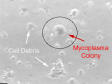 The microbian doctrine also gave rise to the development of antibiotics, the first being penicillin in 1940. An antibiotic is the poisonous waste from one germ used in the attempt to kill another. Penicillin is the poison from a fungus. As a result of this development, most bacterial infections have apparently been "treatable" over the past 50 years. However, there seems to have been a price to pay for this convenient, and unscientific approach. And it is interesting to keep in mind that these tiny life forms, as well as the ones that are the main subject of this book-yeast, fungus and/or molds-are plants, not animals. Thus, we animals are essentially being taken over by vegetation. One of these is the existence in the interesting tract of necessary bacteria.
There is a crucial, delicate balance between two general types, which we'll call "friendly" and "unfriendly" for convenience though it is not strictly accurate. With the substances they produce, the friendly ones help control the unfriendly ones. A major source of abuse of the friendly ones is antibiotics (exotoxins and mycotoxins, the waste products of bacteria, yeast and fungus), which reduce their numbers and allow a territorial takeover by the unfriendly group. (An antibiotic does not really kill bacteria. It simply makes them enter a different stage of their pleomorphic life cycle-like they duck out of the way. In any case, the antibiotic cannot balance the terrain condition, and in fact worsens it.) Taking enough poison to truly kill these powerhouses would kill you, because, in truth, they arise from part of your being.
Subscribe to:
Posts (Atom)
Advanced Body Cleansing Kit$147.75  Advanced Body Cleansing Kit with Livatrex™, Oxy-Powder®, Latero-Flora™ and two bottles of ParaTrex®. |